$130M Capital Injection Transforms Denver's Former VA Campus into Mixed-Use Hub
Gennady Zakharin / Unsplash
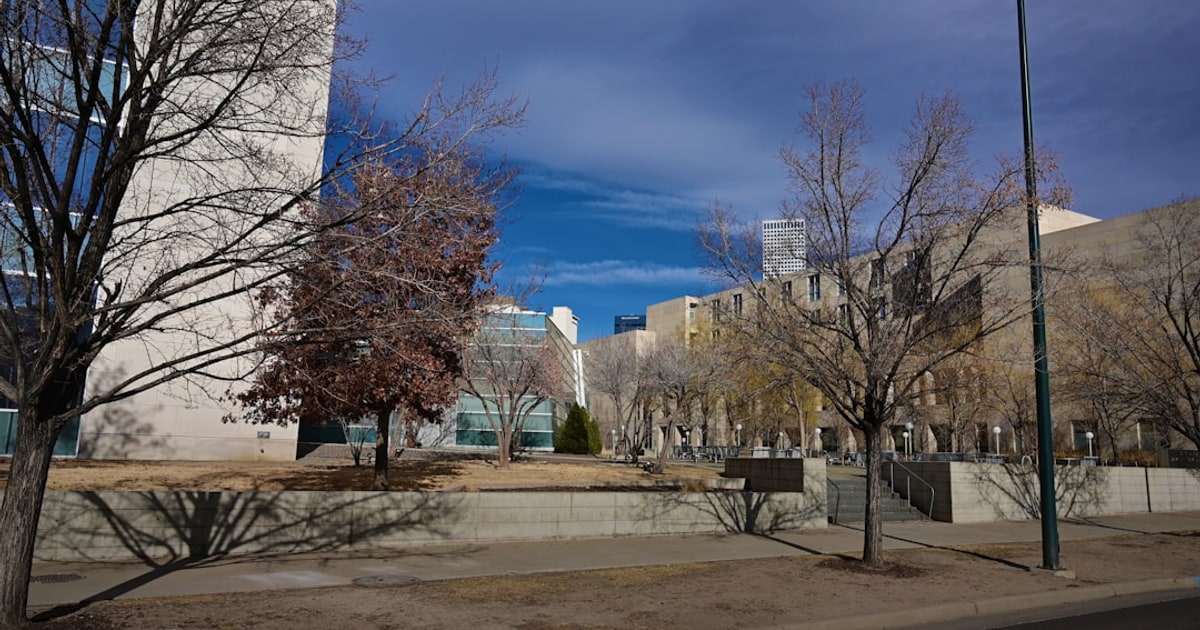
A massive adaptive reuse project in the Mile-High City is moving forward, backed by nine figures in fresh capital. Walker & Dunlop has successfully arranged a $130 million financing package dedicated to the mixed-use redevelopment of a former Veterans Affairs (VA) hospital campus in Denver.
The substantial capital injection will enable locally-based GM Development to breathe new life into the outdated medical campus. Transforming defunct institutional properties into vibrant, modern destinations has become a cornerstone strategy for urban developers looking to capitalize on prime real estate without the friction of ground-up construction in densely populated areas.
Key Details
The deal centers on a multimillion-dollar transformation led by two key players in the commercial real estate sector:
- Financing: $130 million arranged by Walker & Dunlop.
- Developer: GM Development, a Denver-based firm.
- Site: A former Veterans Affairs hospital campus in Denver.
- Project Type: Mixed-use redevelopment.
By securing this substantial debt package, the development team can transition the project from the planning phases into active construction, eventually delivering a much-needed supply of integrated commercial and community space to the Denver metro area.
Market Context
According to Shopping Center Business, this transaction underscores a broader CRE trend of repurposing legacy healthcare and government facilities. Traditional hospital campuses often occupy prime parcels of land, but their outdated, sprawling layouts rarely meet modern operational needs. By pivoting to mixed-use, developers can unlock immense value.
For Denver, a market characterized by rapid population growth and tight commercial inventory, this redevelopment represents a critical addition to the local supply chain. Adaptive reuse projects of this magnitude generally boast shorter construction timelines compared to ground-up developments, as developers leverage existing foundational infrastructure. This allows for a faster delivery of retail, residential, and office space to a submarket actively demanding inventory. Furthermore, this $130 million deal reflects ongoing lender confidence in top-tier urban markets. Despite broader economic headwinds, financial institutions remain highly willing to deploy capital for well-conceived, large-scale adaptive reuse projects in high-barrier-to-entry neighborhoods.
Stay Ahead of the Market
Get breaking CRE news, market reports, and analysis delivered to your inbox every morning.