Billionaire Tom Steyer's Galvanize Surpasses $1B in CRE Decarbonization Funding
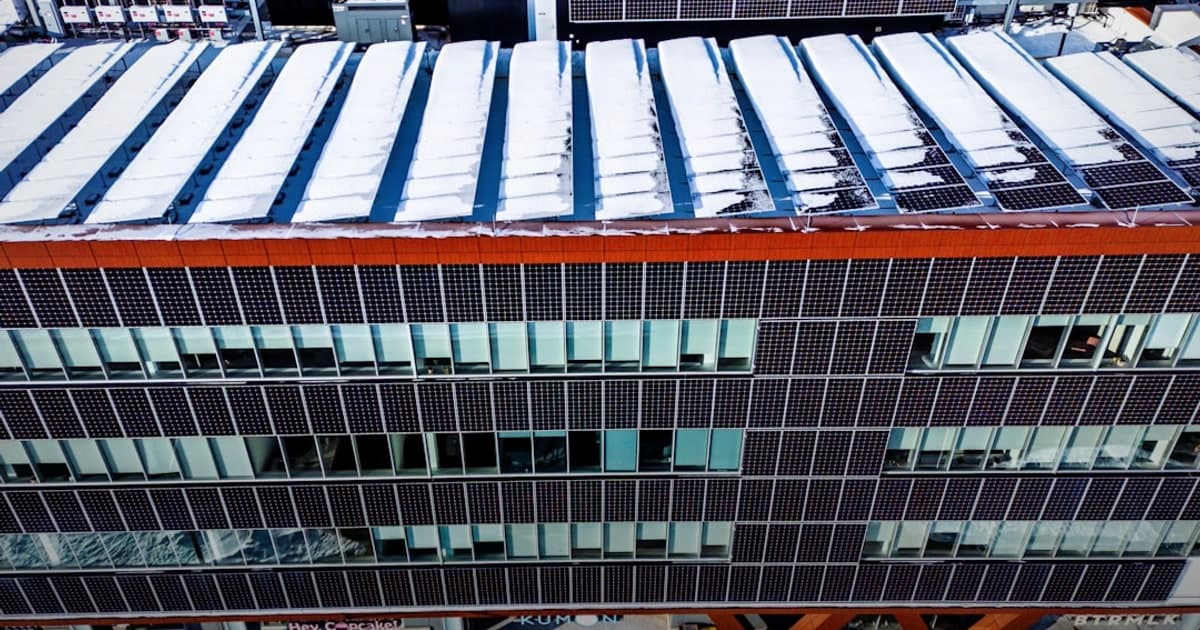
LEDC / Unsplash
The intersection of institutional capital and climate consciousness continues to deepen as Galvanize Climate Solutions, the asset management firm co-founded by billionaire investor and former presidential candidate Tom Steyer, has reached a significant milestone. The firm's commercial real estate division has successfully raised $370 million in equity commitments, pushing its total assets under management beyond the $1 billion mark.
This latest capital raise underscores a growing recognition among institutional investors that building decarbonization represents not merely an environmental imperative but a compelling value-creation opportunity. The strategy focuses on acquiring commercial properties where targeted investments in energy efficiency, electrification, and emissions reduction can simultaneously lower operating costs and enhance asset valuations.
Key Details
The newly raised capital will be deployed through Galvanize's real estate investment platform, which specifically targets commercial properties with significant carbon footprints. According to Bisnow, the strategy hinges on identifying buildings where operational improvements and sustainability upgrades can "juice returns" while meaningfully reducing environmental impact.
The firm's approach combines traditional real estate value-add strategies with sophisticated decarbonization playbooks. This includes upgrading HVAC systems, improving building envelopes, installing on-site renewable energy generation, and implementing smart building technologies that optimize energy consumption in real-time.
Galvanize's broader platform manages multiple investment vehicles focused on climate solutions across asset classes, though this particular fund is dedicated exclusively to commercial real estate opportunities.
Market Impact
For commercial real estate professionals, this funding milestone signals several important market dynamics. First, it demonstrates that institutional capital is increasingly pricing in both the risks of carbon-intensive assets and the premiums associated with sustainable buildings. Properties with strong environmental credentials are commanding higher rents, lower vacancy rates, and improved access to capital.
Second, the strategy validates the thesis that decarbonization can be a source of alpha rather than merely a cost center. As building performance standards proliferate across major metros and tenant demand for sustainable spaces intensifies, properties that fail to address their carbon exposure may face accelerating obsolescence.
Finally, Steyer's involvement brings additional credibility to the emerging "climate alpha" investment thesis. His profile helps bridge the gap between traditional real estate investors and sustainability-focused capital, potentially accelerating broader market adoption of decarbonization strategies.
For asset managers and property owners, the message is increasingly clear: the ability to execute genuine emissions reductions while maintaining or improving returns is becoming a definable skill set with measurable market value.
Related coverage: Nuveen Provides $37.6M C-PACE Financing for New Washington D.C. Medical Complex · Berkeley Becomes First U.S. City to Mandate Home Electrification Prior to Property Transfer · ESG Real Estate Funds Face Record Capital Flight Despite Superior Building Performance Data
Capital Raised Is Only the First Measure
The strategy will ultimately be judged property by property. Investors should look for disclosed acquisition bases, retrofit budgets, measured energy reductions, tenant retention, and realized operating savings. Those outcomes will show whether decarbonization work creates a financial advantage beyond access to climate-focused capital.
Execution risk can be substantial in occupied buildings. Mechanical upgrades may require downtime, tenant coordination, utility approvals, and long payback periods. Galvanize's scale could improve purchasing and technical expertise, but the strongest evidence for its thesis will be audited building performance and successful exits rather than the $1 billion capacity headline.
CRE News Briefing Coming Soon
Until it launches, send press releases, story ideas, and sponsorship inquiries directly to the newsroom.
Free CRE News Briefing
Editor-curated commercial real estate stories, delivered to your inbox. Confirm your email to join.


