Data Centers and Automation Spark an Unprecedented Electricity Grudge Match for Warehouse Developers
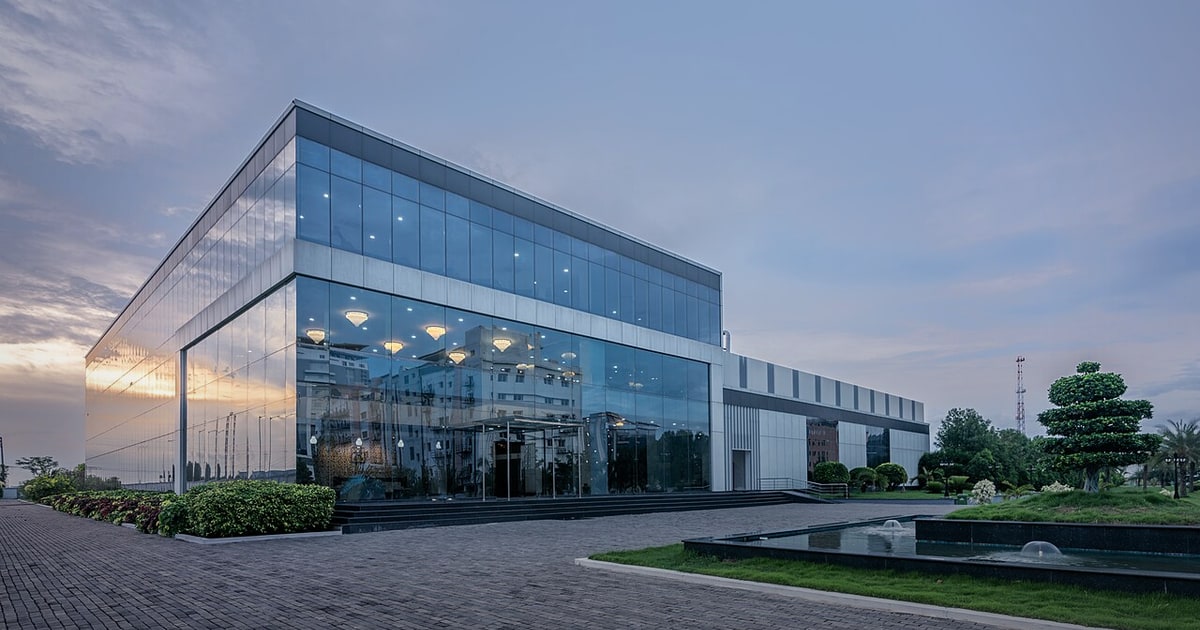
PiDatacenters / CC BY-SA 4.0
A massive, unforeseen surge in electricity demand is pitting two of commercial real estate’s most active sectors against one another. As artificial intelligence-driven data centers consume gigawatts of power to sustain cloud computing and machine learning, industrial developers are struggling to secure the energy capacity required to support highly automated logistics facilities. The fight over an increasingly constrained power grid threatens to slow down the construction of modern warehouse space in primary logistics corridors.
Historically, the industrial sector has been a relatively low-intensity consumer of energy. Traditional warehousing requires power mainly for lighting and basic temperature control, averaging less than 10 kilowatts per square foot. However, the supply chain landscape is rapidly shifting toward robotic systems, automated sorting infrastructure, and climate-controlled environments for specialized life sciences and food logistics. These modern facilities require dramatically higher energy thresholds to operate seamlessly.
Key Details
- Grid Constraints: Utility commissions across core distribution markets are reporting unprecedented bottlenecks, with energy load requests for industrial complexes now directly competing with data center campuses that routinely require 100+ megawatts per site.
- Facility Requirements: Advanced robotics in mega-warehouses are forcing developers to pivot from traditional power setups to heavy industrial configurations to support automated guided vehicles and AI-driven inventory systems.
- Development Timelines: Power availability is now the primary deciding factor for site selection, delaying project deliveries by 12 to 24 months in regions where substations are at capacity.
- Leasing Dynamics: Power generation costs and grid connection fees are increasingly being passed down to tenants, fundamentally altering traditional triple-net (NNN) lease structures.
Market Context
This resource conflict arrives at a critical inflection point for the U.S. supply chain. According to Bisnow, the explosion of the AI sector is triggering a nationwide battle for gigawatts, fundamentally altering how industrial developers evaluate land.
The implications for CRE professionals are profound. Developers can no longer rely solely on proximity to major highway intersections or cheap labor pools to underwrite a new industrial park. Real estate strategies now require deep collaboration with local utility providers up to five years before a shovel ever hits the dirt. Markets with robust, deregulated power grids—such as Texas and parts of the Southeast—are poised to capture the lion's share of next-generation leasing activity. Meanwhile, coastal markets with aging transmission infrastructure may see pre-leasing momentum stall entirely as tenants face the reality of constrained grid capacity. Moving forward, securing a reliable, high-voltage power supply is no longer just an operational detail; it is the absolute fundamental driver of industrial real estate valuation.
Related coverage: Cold Storage Giant Lineage Fortifies Global Supply Chain Amid Trade Turbulence · Prologis COO Headlines Premier Midwest Industrial Gathering as Sector Eyes 2026 Outlook · Doors & Spaces Acquires Fully Leased Industrial Building in Voorhees for $4.1 Million
Stay Ahead of the Market
Get breaking CRE news, market reports, and analysis delivered to your inbox every morning.