Fast Food and Healthcare Drive Chicago Retail's Pandemic Recovery
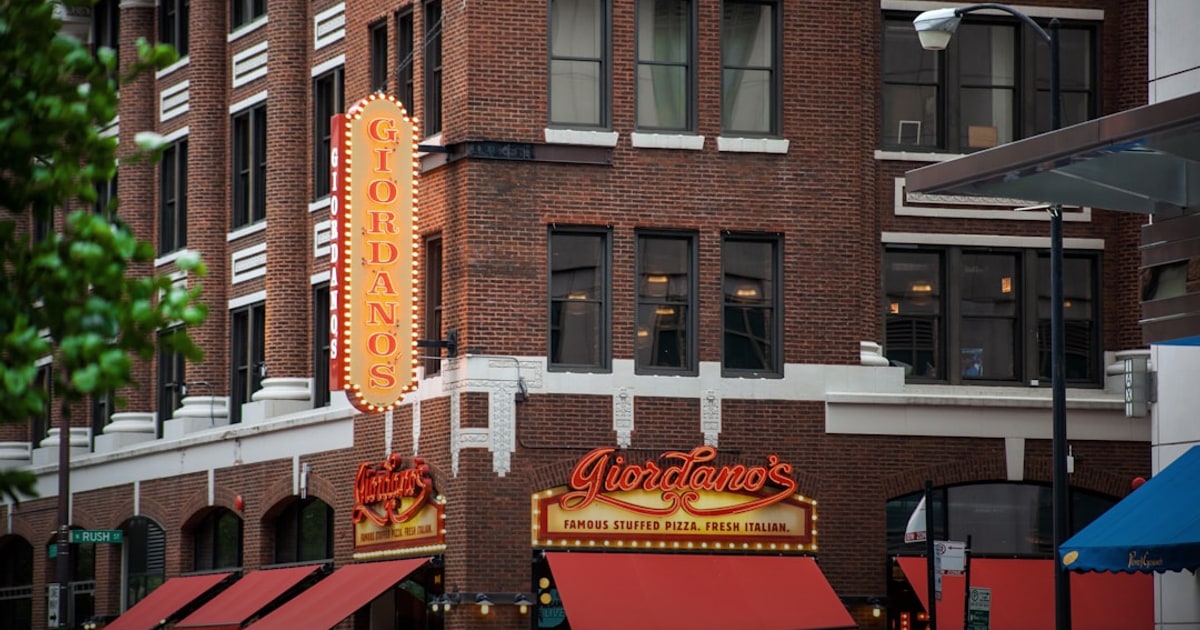
Jonathan J. Castellon / Unsplash
The Chicago retail landscape has staged a definitive comeback from its pandemic-era trough, led by aggressive tenant expansion in the quick-service restaurant (QSR) and medical clinic sectors. According to Bisnow, industry experts recently gathered to discuss the market's momentum, pointing to a surge in demand for coffee shops, fast-casual chicken franchises, and ambulatory care centers. This targeted growth has essentially absorbed available space, driving down vacancy rates along the city's most highly trafficked arterial roads.
Key Details
The recovery is characterized by specific high-traffic and essential-use tenants stepping into vacant storefronts. National QSR operators—particularly those specializing in coffee and chicken—have been rapidly executing expansion strategies across both urban neighborhoods and suburban out-lots.
Simultaneously, healthcare networks are securing modular retail footprints to push outpatient care closer to patient bases. These medical tenants are signing long-term leases, typically ranging from 10 to 15 years, providing a stark stabilizing contrast to the shorter, more volatile traditional retail cycles. The primary battlegrounds for this leasing activity remain Chicago's top-tier retail corridors, where landlords are successfully backfilling spaces left vacant by legacy apparel and home goods retailers.
Market Context
For commercial real estate professionals, this trend signals a definitive flight to essential and experiential retail, fundamentally altering the underwriting of Chicago retail assets. The divergence between prime corridors and secondary locations is widening. High-visibility streets with strong vehicular traffic counts are seeing cap rates compress as institutional capital targets recession-resistant QSR and medical tenants.
This dual-track recovery presents both challenges and opportunities for asset managers. On one hand, the reliance on QSR means increased tenant improvement (TI) costs for landlords needing to install specialized grease traps and commercial ventilation systems. On the other hand, the influx of medical providers translates to higher overall occupancy costs and stickier tenants, mitigating rollover risk. Furthermore, the structural shift toward neighborhood-centric outpatient clinics is breathing new life into suburban strip centers and grocery-anchored plazas, effectively stabilizing secondary markets that previously faced record-high vacancies. As traditional soft-goods retailers continue to downscale their brick-and-mortar footprints, landlords who can aggressively re-merchandise their centers with food, beverage, and healthcare operators will outperform the broader market.
Stay Ahead of the Market
Get breaking CRE news, market reports, and analysis delivered to your inbox every morning.