Financial District's Transformation Continues with New Beaver Street Residential Proposal

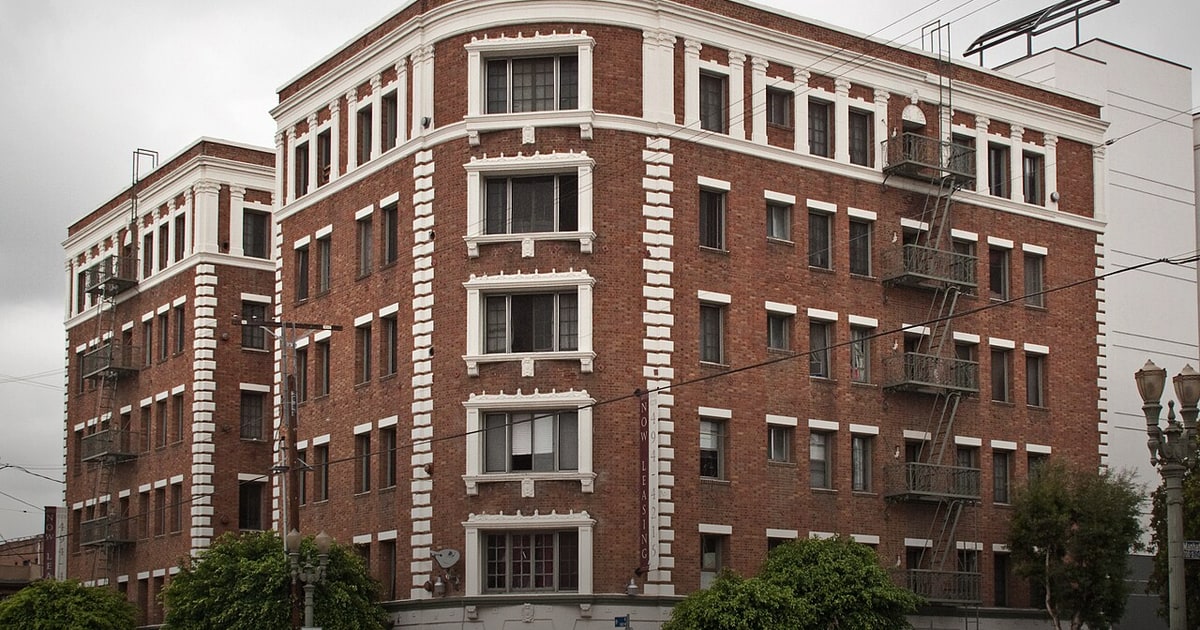
Norbert Nagel, Mörfelden-Walldorf, Germany / CC BY-SA 3.0
The ongoing evolution of Manhattan's Financial District continues unabated as yet another office property is targeted for residential redevelopment. Brooklyn-based developer Twin Group Associates, headed by Solomon Schwimmer, has officially submitted proposals to the New York City Department of Buildings to repurpose a six-story commercial structure located at 16 Beaver Street. This initiative reflects the accelerating trend of reimagining underutilized office stock in a post-pandemic market where housing demand remains robust.
According to Commercial Observer, the property currently operates as a mixed-use office and retail building. The move signals a strategic pivot for the site, aiming to tap into the neighborhood's growing desirability as a live-work community rather than solely a 9-to-5 business center.
Key Details
The project centers on 16 Beaver Street, a six-story building situated in the heart of the historic Financial District. Plans call for demolishing or significantly expanding the existing structure to erect an 11-story residential building containing 50 apartments, a residents' lobby, and 25 bicycle parking spaces.
Twin Group Associates, operating under the leadership of Solomon Schwimmer, is driving the application process.
Market Impact
For commercial real estate professionals, this filing is more than a singular development deal; it is an indicator of asset class fluidity in New York City. The Financial District has arguably been the most active submarket for office-to-residential conversions, driven by older building stock that complies more easily with residential code requirements regarding light and air compared to modern deep-floor plate office towers.
This transition addresses two critical market pressures: the surplus of older commercial space struggling to retain tenants in a hybrid-work era, and the chronic shortage of housing inventory in Manhattan. Investors and landlords holding similar vintage properties in the area may view this as a validation of the conversion strategy to unlock value. However, the trend also raises long-term questions about the remaining commercial tax base and the infrastructure required to support a surging permanent residential population in what was once a strictly commercial zone.
Stay Ahead of the Market
Get breaking CRE news, market reports, and analysis delivered to your inbox every morning.