Fixed Mortgage Rates Dip to 6.23%, Extending a Three-Week Downward Trend
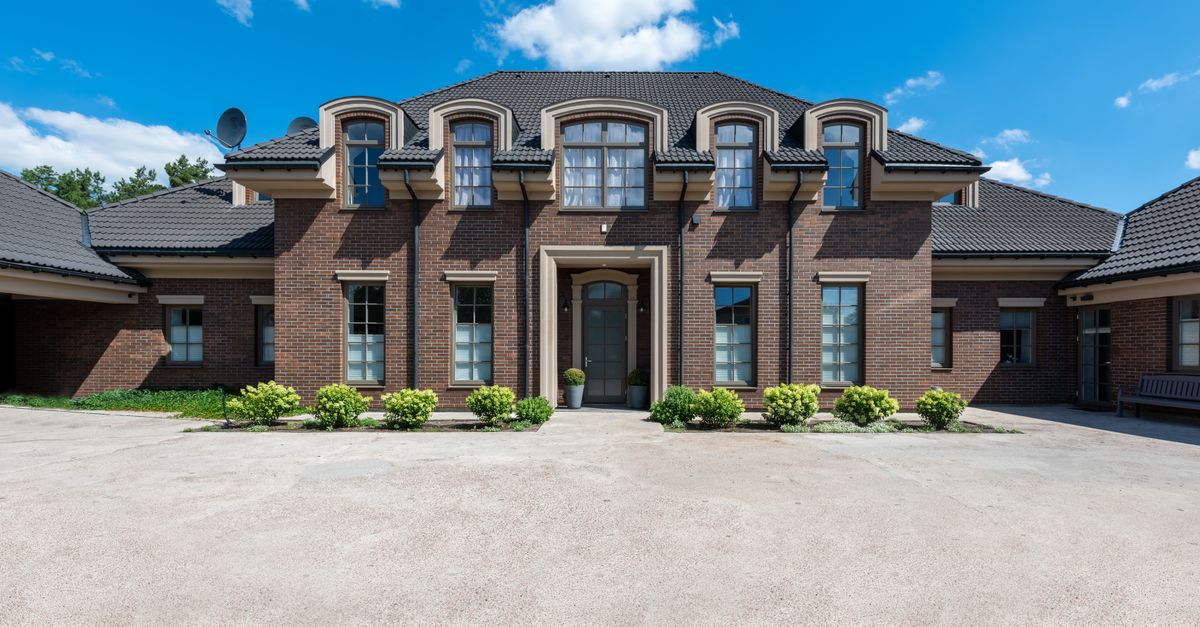
Max Vakhtbovych / Pexels
The standard 30-year fixed mortgage rate has dropped to 6.23%, marking its third consecutive week of declines and reaching its lowest point in over a month. According to Propmodo, this steady downward trajectory is offering a measure of temporary relief to buyers who have been largely sidelined by elevated borrowing costs over the past year.
Key Details
- Current Rate: The 30-year fixed mortgage average has settled at 6.23%.
- Trend Duration: This represents the third straight week of declining rates.
- Market Milestone: The 6.23% figure is the lowest rate recorded in more than a month.
- Market Impact: The slight reduction is primarily providing modest financial relief for residential homebuyers, though the effects ripple outward into single-family rental investment strategies.
Market Context
For commercial real estate professionals, fluctuations in the 30-year residential mortgage rate act as a crucial barometer for broader capital markets and Federal Reserve monetary policy. While the 30-year fixed metric directly applies to residential lending, the macroeconomic pressures dictating these dips—specifically shifting Treasury yields and inflation expectations—directly impact the cost of capital for commercial assets like multifamily apartment buildings, office spaces, and industrial warehouses.
A 6.23% baseline rate suggests that while the aggressive interest rate hiking cycle of the previous year has stabilized, the monetary environment remains historically tight. The most recent week-over-week decline of 7 basis points (from 6.30% to 6.23%) offers modest relief for individual homebuyers, but CRE institutional investors are still navigating a high-cost environment. This dynamic continues to weigh on commercial property transaction activity, as buyers must underwrite deals at current, much higher yields than prevailed in prior years.
Furthermore, this sustained cost of borrowing continues to prop up the national rental market. With 6.23% remaining a barrier to entry for many prospective homeowners—especially when combined with elevated home prices—the demand for multifamily rental units remains structurally supported. CRE developers and operators in the residential sector can expect sustained occupancy rates as long as the path to homeownership remains strictly financial constrained.
Looking ahead, market participants are closely monitoring upcoming inflation data and Federal Reserve communications. Should the downward trend in borrowing costs solidify through the remainder of the quarter, the commercial real estate sector may finally see a revitalization in transaction volume.
Related coverage: Residential Mortgage Market Shifts to VantageScore 4.0, Creating New Opportunities for CRE Financing · Geopolitical Tensions Trigger First Annual Decline in Mortgage Applications Since 2025 · Residential Market Rebounds: May Posts Strongest Sales Volume in Six Months
Stay Ahead of the Market
Get breaking CRE news, market reports, and analysis delivered to your inbox every morning.