Historic Office and Retail Conversions Drive Boutique Hotel Expansion in Urban Cores
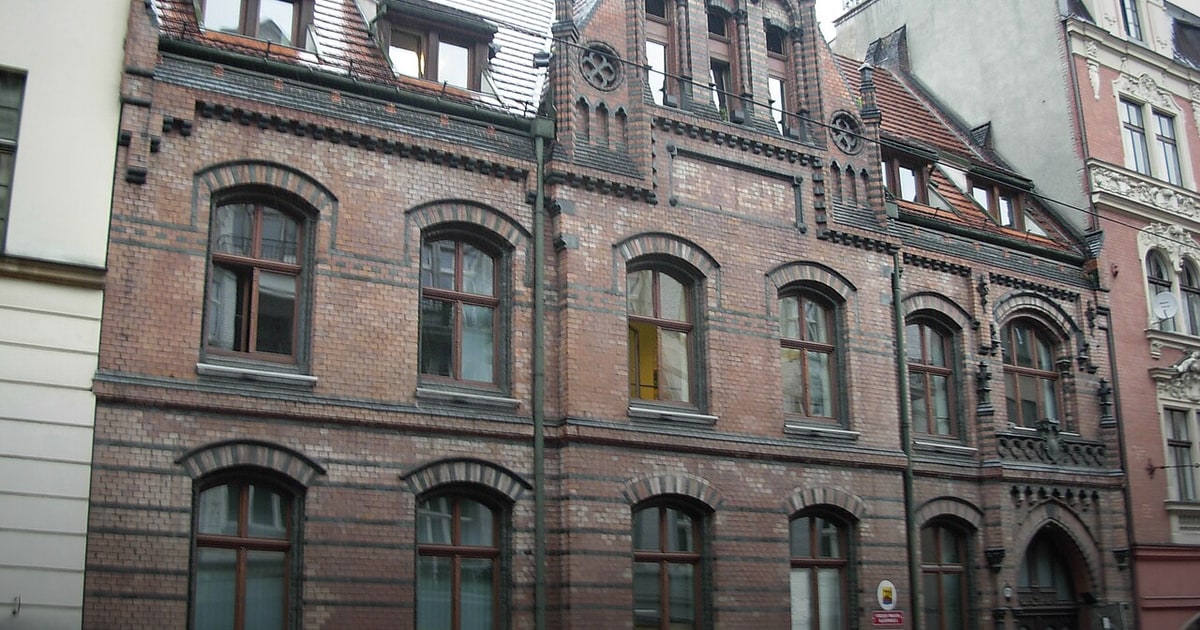
myself (User:Piotrus) / CC BY-SA 3.0
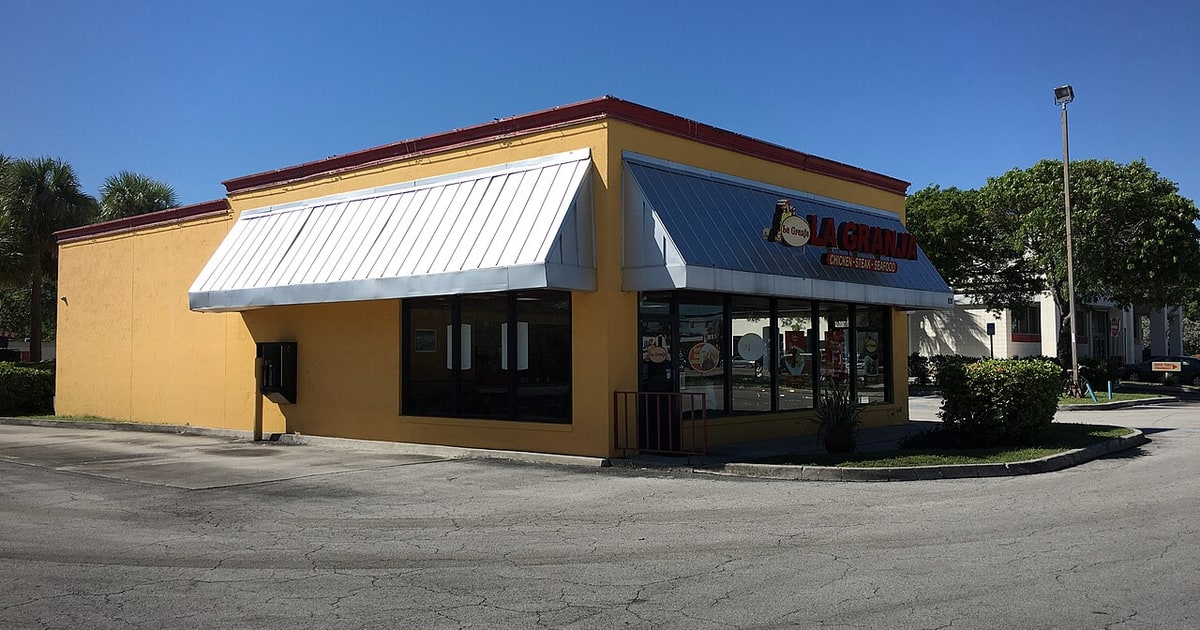
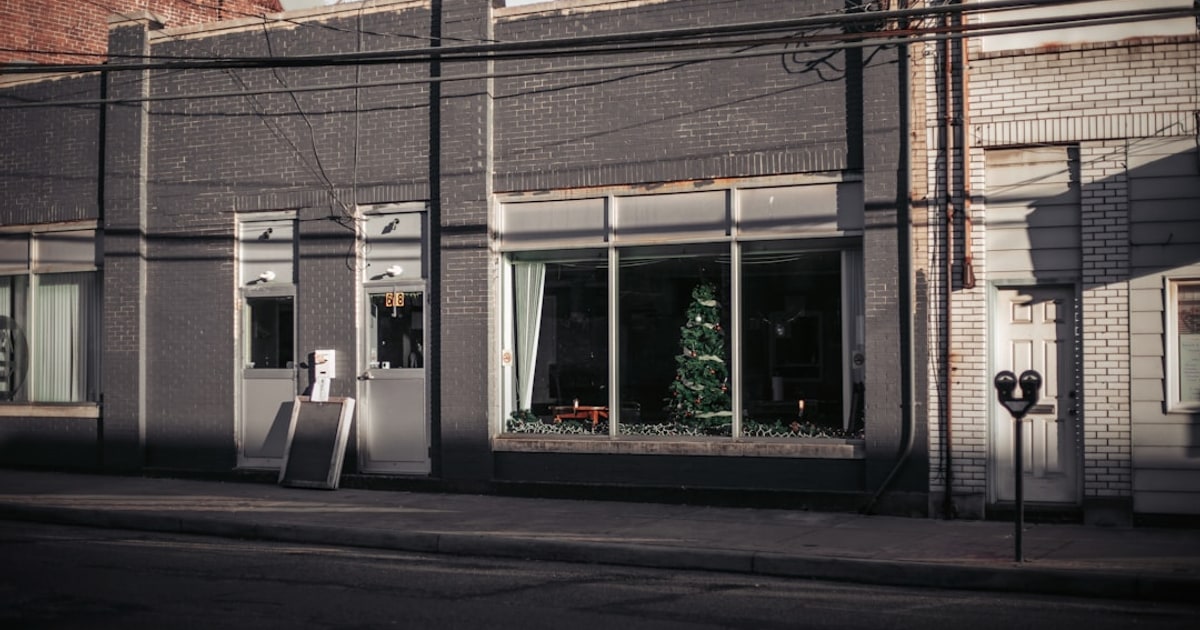
A growing number of real estate developers are bypassing ground-up construction in favor of converting underperforming commercial buildings into boutique hotels, directly addressing a push for increased lodging density in major urban centers. By transforming aging office towers, vacant department stores, and legacy industrial sites, development firms are unlocking new revenue streams while preserving the architectural heritage of dense city grids. This strategy curtails the demand for raw materials required by new builds and leverages the unique footprints of existing structures to create high-margin hospitality assets.
Key Details
The adaptive reuse trend focuses on properties spanning 50,000 to 150,000 square feet, typically requiring structural modifications to align with modern hospitality code requirements—most notably the installation of below-grade plumbing for individual guest rooms. Developers specializing in these conversions acquire struggling Class B and C office assets or outdated retail spaces at a discount, often utilizing federal and state historic tax credits to offset the costs of stringent facade preservation requirements. Depending on the baseline condition and local regulatory timelines, these projects span 14 to 24 months from closing to certificate of occupancy. The resulting boutique hotels usually yield 80 to 200 rooms, prioritizing localized interior design that highlights the original architectural elements of the building, such as exposed brick, timber beams, and historic metalwork.
Market Context
According to Propmodo, this surge in adaptive reuse is a direct response to cities seeking to expand their hotel room inventory without consuming additional land. For commercial real estate professionals, this shift represents a critical lifeline for distressed assets that have lost commercial viability in the post-pandemic landscape.
The hospitality sector is actively rebounding, but developers face steep financial barriers to new construction, with building material costs and interest rates remaining elevated. Consequently, the economics of retrofitting existing structures have become increasingly attractive. As remote work continues to depress traditional office demand and e-commerce reshapes retail footprints, repurposing these vacant square footages into experiential lodging generates much-needed property tax revenue for municipalities. Furthermore, modern travelers are increasingly favoring unique, design-forward accommodations over standardized rooms. Adaptive reuse meets this consumer demand head-on, allowing developers to capitalize on existing urban infrastructure while successfully revitalizing dormant city blocks and driving ancillary revenue to neighboring businesses.
Stay Ahead of the Market
Get breaking CRE news, market reports, and analysis delivered to your inbox every morning.