Hydrogen Fitness Expands Into Manhattan with Murray Hill Lease

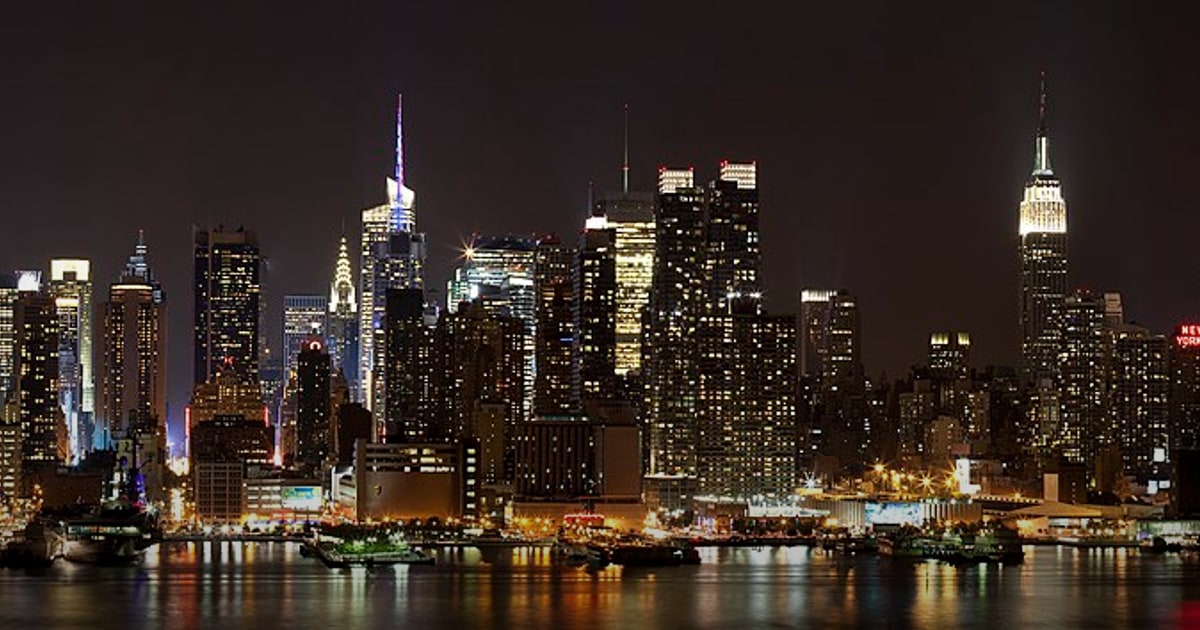
Louis / Pexels
Hydrogen Fitness has planted its flag in the New York City market, inking a substantial lease agreement that will bring the fitness brand to Manhattan's Murray Hill neighborhood. The gym operator committed to a 15-year term at 145 East 32nd Street, a building owned by Meyer Equities, marking a significant milestone as the company's inaugural NYC outpost.
The deal underscores the resilience of health-and-wellness tenants in urban retail corridors, even as broader market conditions remain in flux. Fitness concepts have consistently ranked among the most active retail categories in recent quarters, with operators capitalizing on renewed consumer emphasis on personal wellness.
Key Details
The transaction encompasses 17,000 square feet of space configured across three levels: ground floor, lower level, and mezzanine. Beyond traditional gym amenities, the facility will feature a juice bar—an increasingly common addition as fitness operators seek to capture additional revenue streams and extend member dwell time. The 15-year lease term reflects both the tenant's long-term commitment to the market and the landlord's confidence in the brand's staying power.
According to Commercial Observer, the gym will operate on a 24-hour schedule, positioning itself to serve neighborhood residents with flexible access. Murray Hill's dense residential base and proximity to major employment centers make it a logical entry point for a fitness brand seeking to establish metropolitan credibility.
Market Impact
For commercial real estate professionals, this transaction highlights several noteworthy trends. First, the 15-year term is significant in the current environment, where many retail tenants have pushed for shorter commitments with greater flexibility. The length of this lease suggests that well-capitalized fitness operators remain willing to make long-term bets on prime urban locations.
Second, the multi-level configuration demonstrates how landlords can maximize underutilized space—particularly lower levels and mezzanines—that might otherwise struggle to attract traditional retail tenants. Fitness concepts have proven adept at activating these non-traditional footprints.
Finally, the continued expansion of gym brands into Manhattan reinforces the borough's appeal despite ongoing discussions about remote work and population shifts. Neighborhood-centric locations like Murray Hill, which benefit from both residential density and weekday office traffic, remain particularly attractive to experience-oriented tenants. Brokers and landlords should expect fitness and wellness operators to remain active seekers of well-positioned space, especially in transit-accessible submarkets with strong demographic profiles.
Related coverage: Famous London Bakery Bread Ahead Crosses the Pond, Inks 2,400-SF Lease on the Upper East Side · Designer Toy Phenomenon Pop Mart Expands Manhattan Retail Footprint with Fifth Avenue Deal · Greenwich Village Retail Condo Trades for $21.3M in Performing Arts District
Stay Ahead of the Market
Get breaking CRE news, market reports, and analysis delivered to your inbox every morning.