London's CRE Market Weathered the Brexit Shock—But the Next Chapter Is Even More Unpredictable
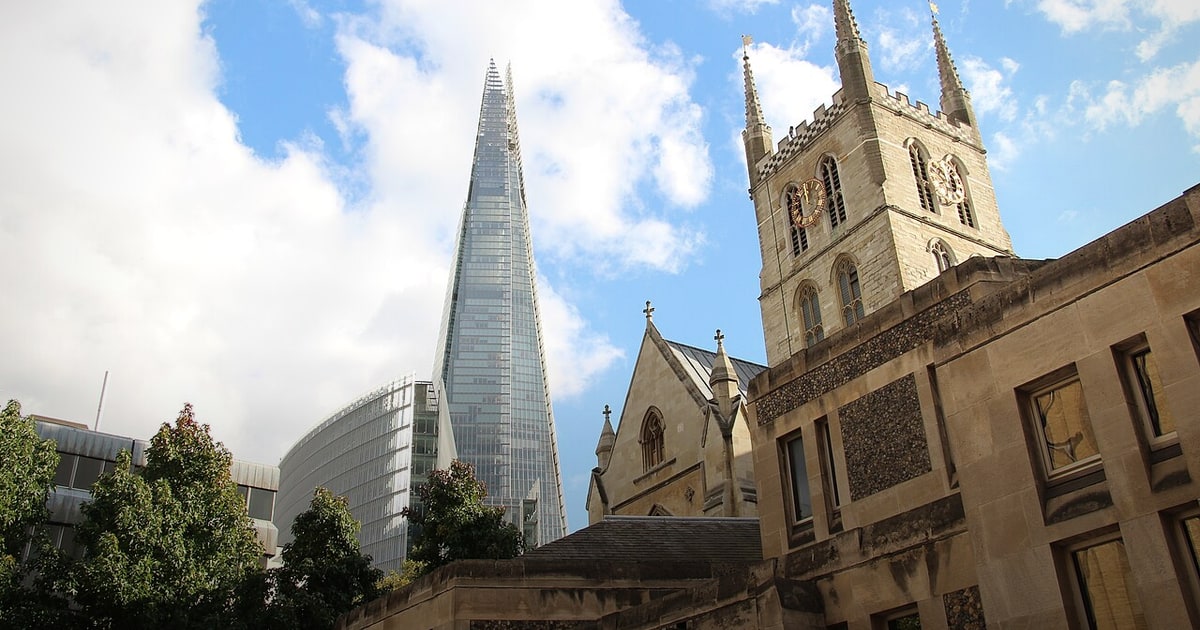
Fred Romero from Paris, France / CC BY 2.0
London's commercial property market has absorbed over £5 billion in reduced office investment since the 2016 Brexit referendum, according to recent industry data—and the sector now confronts a landscape even more ambiguous than the one that stunned investors on June 24, 2016.
That Friday morning delivered an earthquake to a market that had spent decades as a bastion of stability. Within hours of the Leave vote, sterling dropped 8% against the dollar, fund managers gated redemptions, and institutional investors paused acquisitions. The aftershocks haven't stopped.
Key Details
The Brexit transition rewired London's CRE fundamentals across multiple dimensions:
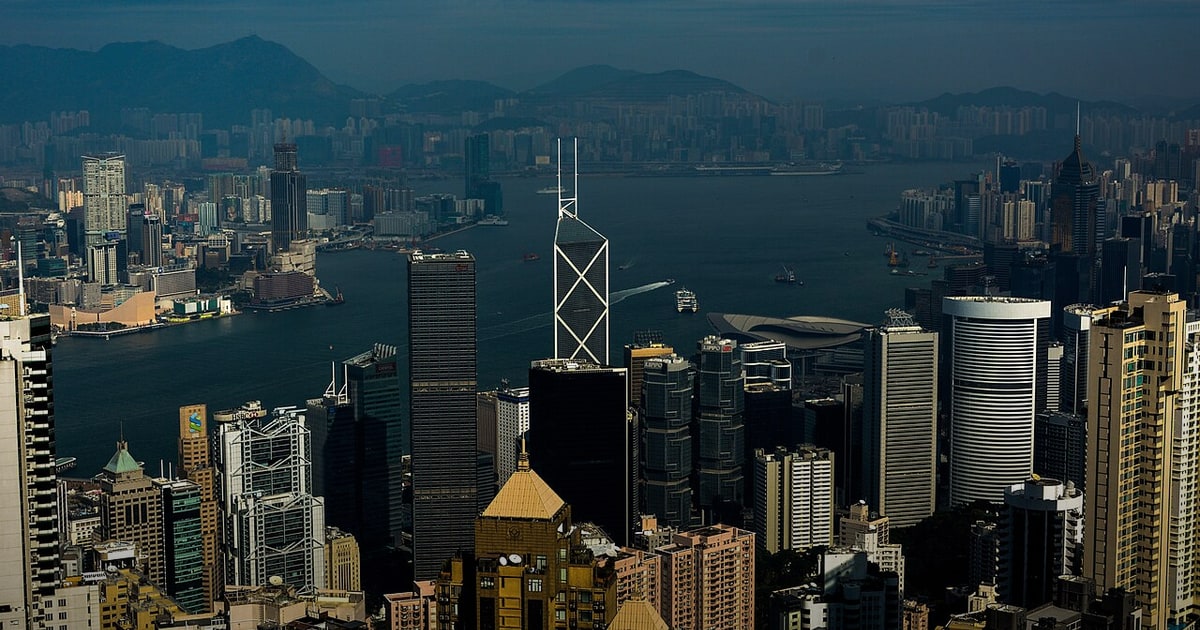
- Capital flows: Asian investors—particularly from Hong Kong and Singapore—filled the void left by retreating European and American capital, spending £13.5 billion on London offices between 2016 and 2019
- Tenant relocations: Approximately 400 financial services firms moved operations or staff to EU cities including Frankfurt, Dublin, and Paris, eliminating an estimated 7,000 City jobs and softening demand for premium office stock
- Legislative timeline: The formal Article 50 notification (March 2017), withdrawal agreement (January 2020), and full trade deal implementation (May 2021) each triggered distinct market responses
- Yield compression: Prime City office yields held between 3.75% and 4.25% through 2022, sustained largely by overseas capital seeking safe-haven assets despite political turbulence
- Currency impact: The 20% depreciation of sterling post-referendum effectively discounted London assets for dollar-denominated buyers, fueling the Asian investment surge
Market Context
For CRE professionals, the post-Brexit era has demanded constant recalibration. According to Bisnow, the sector now faces compounded challenges—including the Bank of England's rate hikes pushing borrowing costs above 5.5%, hybrid work cutting office demand by 15-20%, and sustainability regulations requiring £15-20 billion in building retrofits across central London.
The investors who thrived post-2016 shared specific traits: patience with regulatory uncertainty, access to alternative capital sources, and focus on asset repositioning rather than core acquisitions. Blackstone's £500 million purchase of the UBS headquarters at 5 Broadgate in 2018 exemplifies this—acquired at a 6.25% yield when most institutional buyers sat sidelined.
London's West End proved most resilient, with values recovering to pre-referendum levels by Q3 2021. The City and Docklands lagged 12-18 months behind, weighed down by financial sector uncertainty.
Now the calculus is shifting again. ESG compliance deadlines, the phased implementation of Border Target Operating Model rules affecting logistics, and potential changes to non-dom tax status creating headwinds for international investment all compound the uncertainty. For a market that spent eight years adapting to one shock, the next test may be navigating several simultaneously.
The professionals who succeed in this environment will likely mirror those who navigated the initial Brexit chaos: those who model multiple scenarios, maintain flexible capital stacks, and resist waiting for clarity that may never arrive.
Stay Ahead of the Market
Get breaking CRE news, market reports, and analysis delivered to your inbox every morning.