Major Financial Institution Commits to Downtown Austin with Landmark Office Move
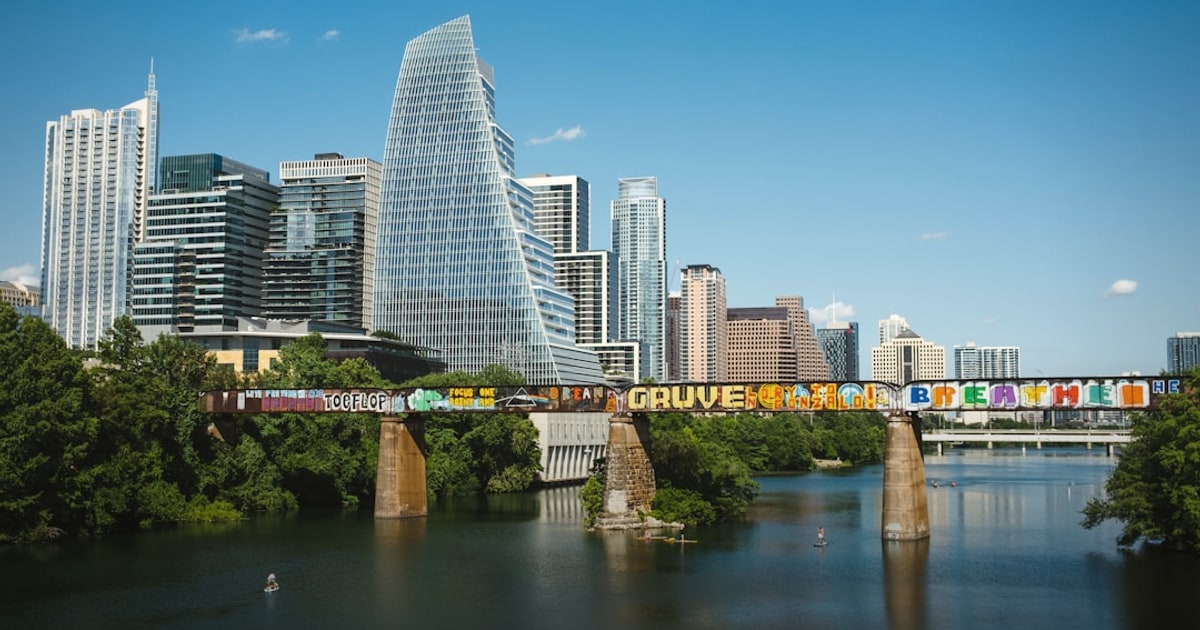
Mack Ramirez / Unsplash
PNC Bank is doubling down on the Texas capital, trading its current regional footprint for a prominent new build in the central business district. The financial services giant is relocating its local operations to a ground-up tower, signaling strong institutional confidence in downtown Austin's long-term appeal.
According to Bisnow, the bank will plant its flag directly within the Austin skyline. By moving into a modern, mixed-use high-rise, PNC transitions from a conventional office setup into a prime architectural landmark. This strategic lease secures premium Class A space for the bank's regional workforce and introduces a major street-level banking branch to the city's bustling urban core.
Key Details
- The Tenant: PNC Bank, one of the largest financial institutions in the United States, is executing a strategic relocation to upgrade its physical footprint and boost brand visibility.
- The Property: A newly constructed, premier office tower situated in the densest section of downtown Austin. The building is designed with modern mixed-use functionality in mind, blending retail, financial, and commercial office space.
- The Space: The relocation involves securing a multi-floor office build-out to house regional employees, coupled with a highly visible ground-floor branch designed to capture heavy pedestrian and vehicular traffic.
- Timeline & Strategy: The transition is geared toward creating a highly activated environment for both employees and retail consumers. PNC will integrate its branding directly into the building's facade, providing a permanent physical anchor in the market.
Market Context
For commercial real estate professionals tracking the Austin metro, this transaction serves as a bellwether for corporate real estate strategies in 2024 and beyond. While the Austin office market has faced cyclical headwinds, including rising vacancy rates and a pullback in traditional tech sector leasing, institutional relocations like PNC's demonstrate a "flight to quality."
Tenants across the financial services and professional sectors are consolidating outdated, suburban-style footprints into highly amenitized, transit-friendly urban towers. Landlords offering top-tier assets with ground-floor retail activation and modern sustainability certifications are successfully capturing these anchor tenants.
Furthermore, this move reinforces downtown Austin's resilience as an 18-hour live-work-play destination. While remote work remains a factor in overall square footage utilization, financial firms continue to prioritize physical locations that double as community hubs and brand beacons. By securing a ground-floor presence alongside dedicated office floors, PNC maximizes both employee collaboration and direct consumer engagement—a hybrid strategy that CRE developers are increasingly attempting to accommodate in their future pipelines.
As Austin continues its evolution into a tier-one corporate hub, legacy institutions are competing for top-tier real estate to attract top talent. This transaction proves that for well-capitalized organizations, securing a premier address remains a critical component of long-term regional strategy.
Stay Ahead of the Market
Get breaking CRE news, market reports, and analysis delivered to your inbox every morning.