Meta Pours $10 Billion Into West Texas AI Campus, Signaling Data Center Demand Surge
Jordan Clarke / Unsplash
Meta Platforms is making an enormous bet on West Texas as a hub for artificial intelligence infrastructure, more than sextupling its planned investment in an El Paso data center complex to a staggering $10 billion. The dramatic escalation from an initially planned $1.5 billion commitment signals how aggressively major technology companies are pursuing the physical infrastructure needed to power next-generation AI workloads.
According to CNBC, the social media and technology conglomerate is ramping up capital expenditures specifically targeted at AI infrastructure development, with this Texas facility representing one of its most significant projects to date.
Key Details
The El Paso complex represents a transformational economic development win for the border region. The project's evolution from a $1.5 billion initiative to a $10 billion mega-campus reflects several factors driving hyperscaler decision-making:
- Scale expansion: The facility will deliver approximately 1 gigawatt of computing capacity by 2028, positioning it among the largest AI training centers globally
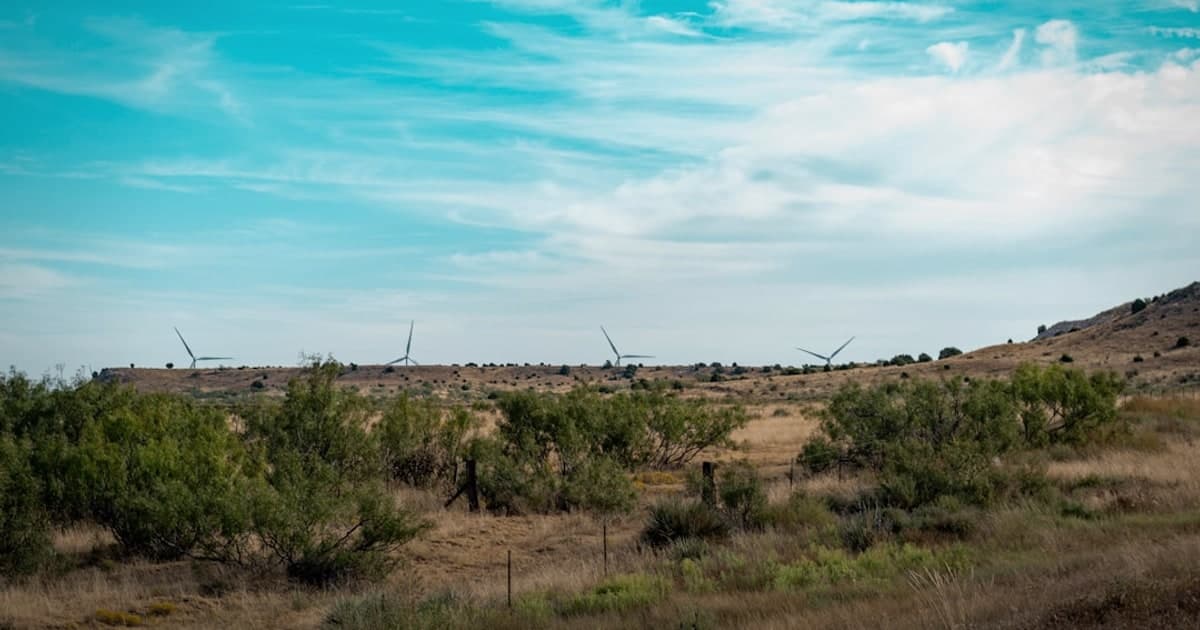
- Power infrastructure: West Texas offers abundant renewable energy resources, particularly wind and solar, critical for meeting both operational demands and sustainability commitments
- Land economics: El Paso provides substantial acreage at valuations significantly below primary data center markets like Northern Virginia or Silicon Valley
- Incentive packages: State and local economic development authorities have likely structured competitive tax and infrastructure incentives
Market Impact
For commercial real estate professionals, Meta's expanded commitment carries several implications worth monitoring:
Secondary market emergence: This investment validates the thesis that AI-driven data center demand cannot be met by traditional primary markets alone. Cities offering reliable power, favorable climate conditions for cooling, and business-friendly regulatory environments will increasingly compete for hyperscaler capital.
Land banking opportunities: Parcels near existing power transmission infrastructure and fiber corridors in emerging markets represent strategic acquisition targets. Brokers and investors should evaluate properties within a 50-mile radius of major substations in markets like El Paso, Phoenix, Salt Lake City, and Columbus.
Construction sector strain: The sheer magnitude of capital being deployed will stress specialized construction trades and materials supply chains. Developers and contractors with data center experience command significant premiums, and lead times for critical equipment extend further.
Power as primary currency: Real estate professionals must deepen their understanding of utility infrastructure. Properties with secured power allocations or proximity to generation assets have become fundamentally more valuable than traditional location metrics would suggest.
The West Texas transaction also demonstrates how quickly hyperscaler strategies can evolve. What began as a modest regional facility transformed into a flagship campus as AI compute requirements accelerated. Investors and brokers maintaining relationships with technology tenants should anticipate similar expansion scenarios across existing portfolios.
Related coverage: Texas Poised to Overtake Northern Virginia in Data Center Capacity, But Capital Flows Tell a Different Story · I Squared Capital Deploys $1B to Capture AI Data Center Demand · Behind the Curtain: Data Center Developers Back Away from Secrecy Agreements Amid Rising Local Pushback
Capacity Must Be Delivered in Stages
A one-gigawatt target describes an eventual campus, not power available on the first day. Utility interconnections, generation and transmission upgrades, water strategy, equipment procurement, and phased construction will determine how quickly the site can serve computing loads.
The increase from $1.5 billion to $10 billion also makes execution and community impact more significant. Market participants should watch formal utility agreements, permits, construction awards, and announced operating dates. For nearby landowners, signed supplier or employee requirements are stronger evidence of spillover demand than the campus budget by itself.
CRE News Briefing Coming Soon
Until it launches, send press releases, story ideas, and sponsorship inquiries directly to the newsroom.
Free CRE News Briefing
Editor-curated commercial real estate stories, delivered to your inbox. Confirm your email to join.