Phoenix Industrial Vacancy Posts Largest Drop in Four Years as Demand Rebounds

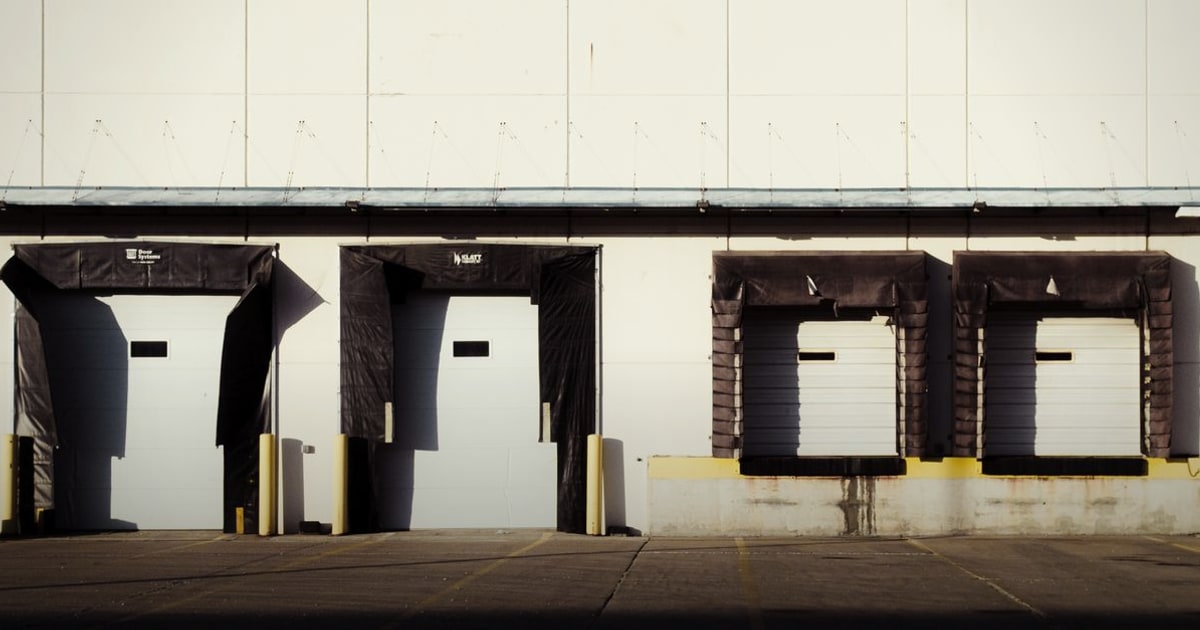
David McElwee / Pexels
Phoenix's industrial market closed out 2025 with its strongest quarter in years, as vacancy rates posted a notable decline in Q4 — reportedly the largest single-quarter drop the market has seen in several years.
Absorption and Vacancy
The Valley recorded significant positive net absorption in Q4 2025, driven by logistics operators, retail-oriented distribution tenants, and the growing advanced manufacturing sector anchored by semiconductor supply chain activity.
The rebound comes after a period of elevated vacancy caused by a wave of speculative construction that targeted larger buildings, which weighed on asking rents throughout much of 2025.
New Development Signals Confidence
Despite the recent supply overhang, developers are moving forward with new projects targeting high-demand corridors in southwest Phoenix. The southwest Phoenix and Goodyear submarkets have emerged as the Valley's most active industrial corridors, benefiting from lower land costs and strong freeway connectivity to the broader Interstate 10 distribution network linking Phoenix to Los Angeles and Texas.
Office Market Also Improving
The industrial recovery is part of a broader improvement across Phoenix commercial real estate. The office sector also showed improvement in Q4 2025, with premium submarkets including Tempe Town Lake, Scottsdale Quarter, and the Camelback Corridor outperforming as tenants gravitate toward amenity-rich, newer-vintage buildings.
Infrastructure Spending Adds Tailwind
A major infrastructure push is adding to the Valley's appeal. Projects funded under Proposition 479, a transportation measure approved by Maricopa County voters in 2024, are now underway, including improvements to Loop 303 in the northwest Valley that will directly benefit industrial users.
Interchange improvements in the West Valley are also expected to advance, adding capacity in one of the region's busiest freight corridors.
Outlook
With vacancy trending downward, infrastructure investment accelerating, and the semiconductor supply chain continuing to deepen its footprint across the north Valley, Phoenix's industrial market appears to be moving past its post-pandemic supply correction.
Stay Ahead of the Market
Get breaking CRE news, market reports, and analysis delivered to your inbox every morning.