Spring Selling Season Stalls: Mortgage Rate Spike and Geopolitical Jitters Freeze April Residential Transactions
Riley Edwards / Unsplash
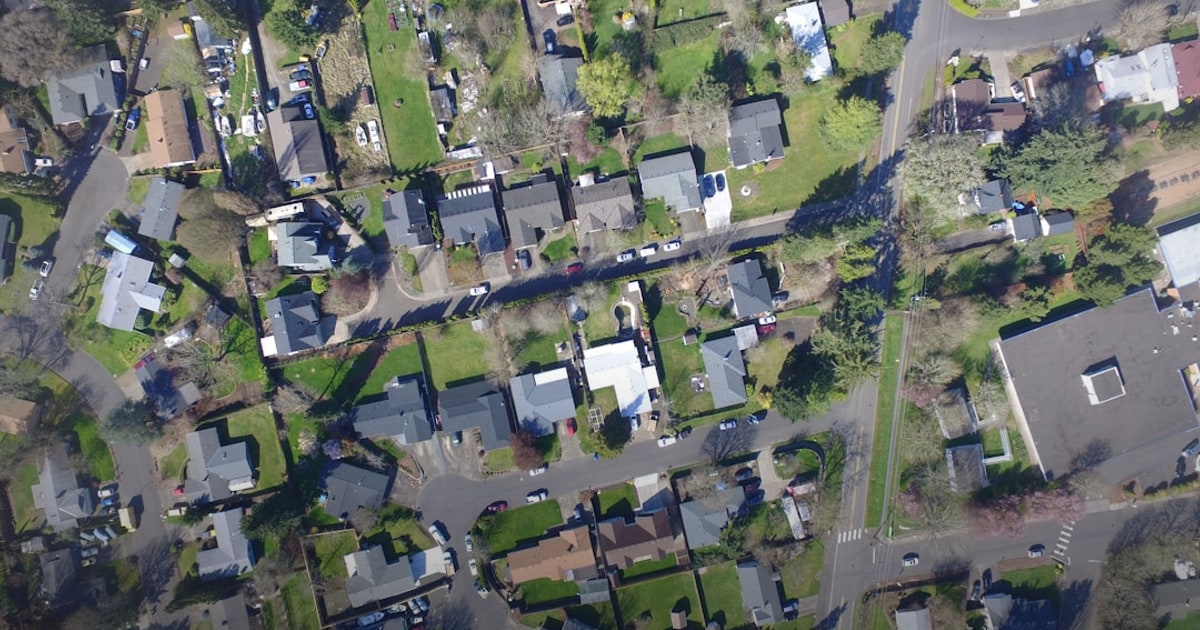
Residential real estate activity ground to a near-halt in April, with transaction volume remaining essentially flat as the housing market absorbed the shock of rapidly escalating borrowing costs and mounting global instability. The stagnation during what is historically the busiest season for home sales points to a chilling effect on consumer spending and residential investment, sending ripples through the broader property sector.
Key Details
According to CNBC, April's housing data revealed barely any movement in existing transaction volumes compared to the previous month. This sluggish performance directly follows a sharp spike in home loan rates that occurred in March.
The freeze in buyer activity isn't solely a mathematical response to higher borrowing costs; it is also deeply psychological. The report highlights that pervasive consumer uncertainty regarding the escalating war with Iran has compounded the financial strain, leading prospective buyers to adopt a wait-and-see approach rather than committing to 30-year financial obligations.
Market Context
For commercial real estate professionals, this residential freeze serves as a crucial macroeconomic barometer. The housing market is often a leading indicator for broader economic health, and April's disappointing numbers suggest a distinct cooling in consumer confidence. When buyers pull back from purchasing primary residences, the downstream effects on commercial sectors are swift and measurable.
The single-family rental (SFR) and build-to-rent (BTR) markets are positioned as the most direct beneficiaries of this trend. As mortgage rates price out potential homebuyers—often pushing the cost of owning above renting for the first time in over a decade—demand for institutional-quality rental housing naturally surges. CRE investors with heavy portfolios in suburban multifamily and SFR communities are likely to see sustained occupancy rates and rent growth as the pool of "forever renters" expands.
Furthermore, the spike in interest rates that sidelined homebuyers is the exact same cost-of-capital pressure currently compressing commercial valuations. The residential slowdown underscores a difficult financing environment for commercial developers trying to underwrite new multi-family, retail, or industrial projects. Geopolitical instability also typically drives investors toward safe-haven assets, which could paradoxically tighten the spread for prime commercial assets like triple-net leased industrial properties while leaving riskier development ventures starved for capital. If the Federal Reserve maintains higher rates to combat inflation spurred by global conflict volatility, expect sustained transaction friction across both the residential and commercial landscapes through the end of the year.
Stay Ahead of the Market
Get breaking CRE news, market reports, and analysis delivered to your inbox every morning.