Two-Tiered Office Market Emerges as AI Tenants Drive Billion-Dollar Divide Between Trophy Assets and Legacy Buildings

Vindar van Ool / Pexels
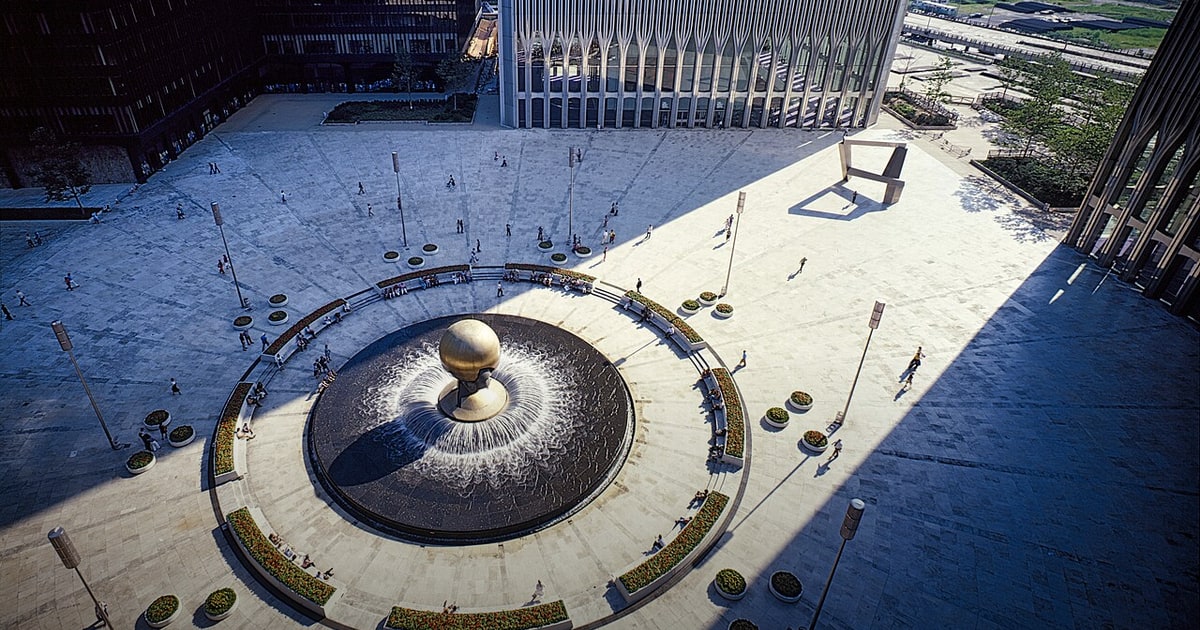
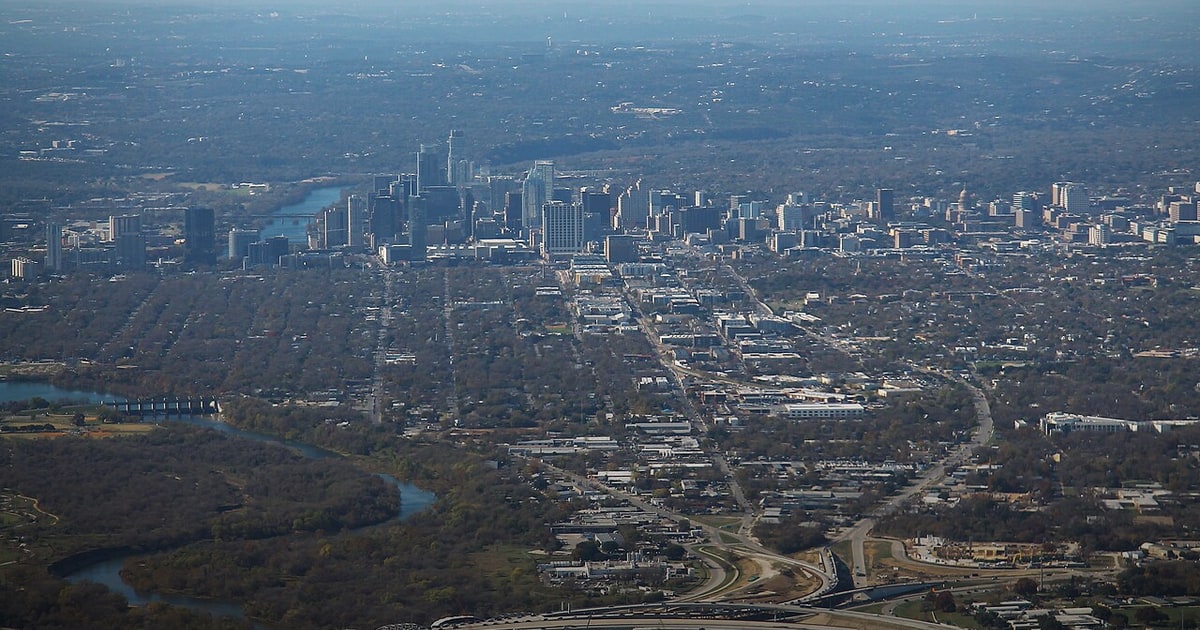
The artificial intelligence revolution is carving a stark dividing line through the commercial office sector, creating what industry analysts now describe as a two-tiered market where premier properties command premium pricing alongside struggling legacy buildings. This bifurcation has intensified dramatically over the past eighteen months as technology firms racing to develop large language models and generative AI systems have snapped up millions of square feet in top-tier buildings across major metropolitan areas.
The divide has reached unprecedented levels, with Class A trophy assets in markets like San Francisco, Manhattan, and Seattle reporting vacancy rates below 8%, while Class B and C properties in the same cities struggle with vacancies exceeding 25%, according to recent market data.
Key Details
Several major transactions illustrate this polarization. In San Francisco's Financial District, AI startups have collectively leased approximately 4.2 million square feet since early 2023, with companies like Anthropic, Scale AI, and OpenAI securing long-term commitments in newly renovated towers. These deals typically span 7 to 15-year terms with escalating rent structures starting between $75 and $95 per square foot.
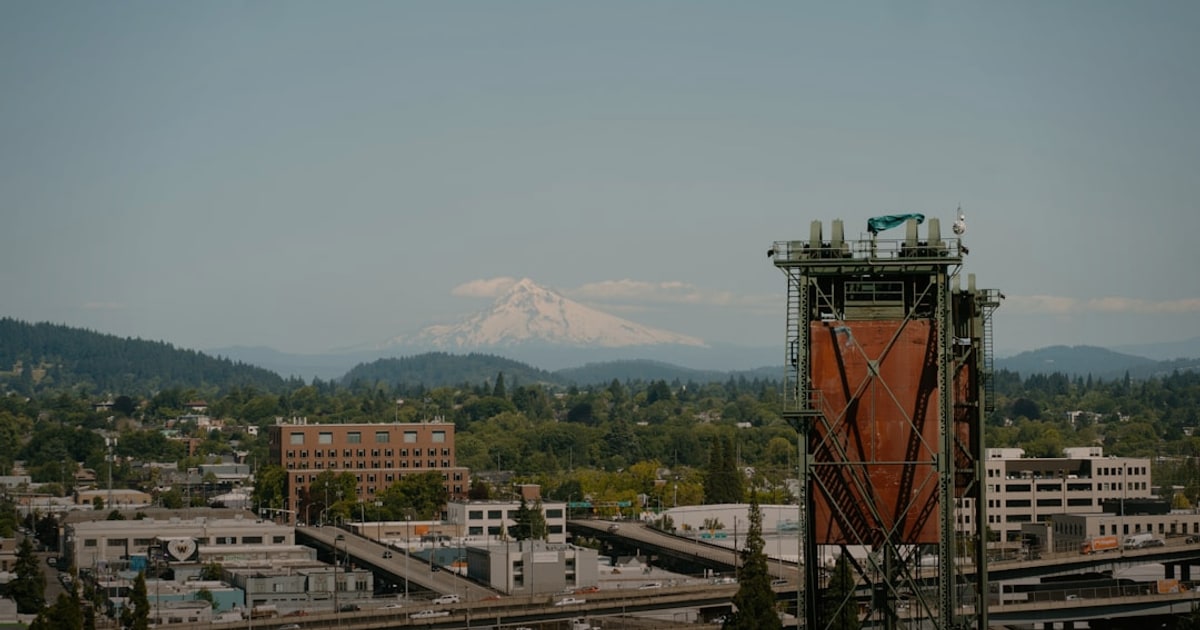
Conversely, the secondary market tells a different story. Older Class B and C office buildings across major U.S. markets face elevated vacancies and mounting debt pressures, with many property owners struggling to refinance maturing debt as demand from quality tenants concentrates in premier assets.
The timeline for this divergence accelerated notably in Q3 2023, when AI funding rounds totaling $14.7 billion translated into immediate real estate demand, catching many landlords off-guard who had repositioned portfolios toward residential or mixed-use conversions.
Market Context
According to Bisnow, the current environment represents a fundamental restructuring rather than a temporary dislocation, with the pandemic serving as a catalyst for trends already emerging in the sector.
For commercial real estate professionals, this bifurcation demands a strategic recalibration. Investment managers increasingly evaluate office assets through two distinct lenses: trophy properties requiring $150 to $250 per square foot in amenity investments to secure tech tenants, versus value-add opportunities where conversion or redevelopment may offer higher returns than traditional office repositioning.
The implications extend beyond individual asset performance to reshape entire submarkets. Neighborhoods surrounding premier buildings are experiencing revitalization, with retail occupancy rates climbing 12% near trophy office towers as returning workers support local businesses. Meanwhile, districts dominated by older office stock face declining foot traffic and municipal revenue challenges.
Lending institutions have responded by dramatically tightening underwriting standards for Class B properties while offering favorable terms for premier assets with creditworthy tech tenants. This financing gap further widens the competitive divide, as owners of older buildings struggle to access capital for necessary upgrades that might attract tenants in an increasingly selective market.
Industry observers anticipate this divergence will persist through at least 2026, as AI companies continue expansion and lease commitments while traditional office users finalize their long-term workplace strategies. The resulting market will likely feature concentrated pockets of premium performance surrounded by properties requiring fundamental reimagining of their highest-value use.
Related coverage: Wichita's Crain Company Acquires 321K-SF Crown Center Office Tower in Major Kansas City Portfolio Shift · Newmark Rides Resurging Office Demand to 27% Q1 Revenue Surge · Flexible Workspace Surge in Boston Defies Traditional Office Slump
Stay Ahead of the Market
Get breaking CRE news, market reports, and analysis delivered to your inbox every morning.