Warren Slams Warsh Fed Nomination as Powell Investigation Creates Leadership Vacuum Impacting Rate Outlook
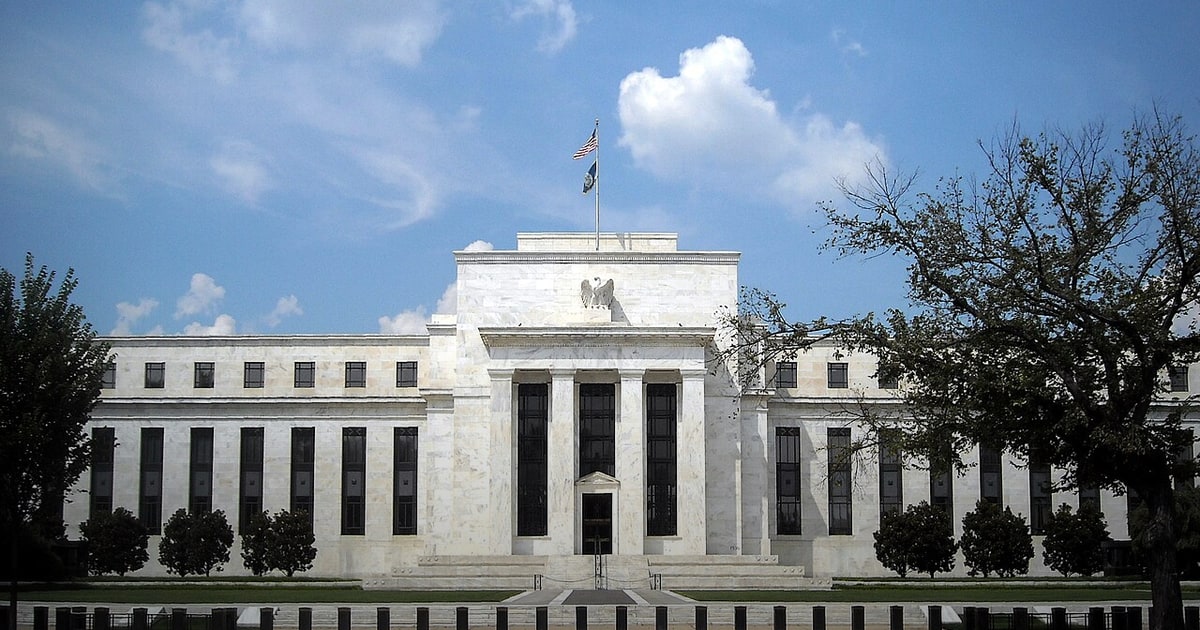
AgnosticPreachersKid / CC BY-SA 3.0
The Federal Reserve's leadership transition has descended into political turmoil, with Senator Elizabeth Warren unleashing sharp criticism against Kevin Warsh, the leading candidate to replace embattled Chair Jerome Powell. The stark rebuke from the Massachusetts Democrat signals a contentious confirmation battle that could delay critical monetary policy decisions affecting an estimated $1.5 trillion in commercial real estate debt maturing through 2027, according to Trepp data.
According to CNBC, Warsh's nomination has stalled amid an ongoing criminal investigation into Powell, creating an unprecedented leadership vacuum at the central bank during a period of heightened market sensitivity to interest rate signals.
Key Details
The unfolding drama involves several critical players and timelines that CRE professionals should monitor:
- Nominee: Kevin Warsh, former Federal Reserve Board governor (2006-2011) and current Hoover Institution fellow, backed by Trump administration officials
- Current Chair: Jerome Powell, under criminal investigation, with his term expiration creating urgency for a successor
- Chief Critic: Senator Elizabeth Warren, ranking member of the Senate Banking Committee, who sharply criticized Warsh's record during the 2008 financial crisis and argued he has not learned from policy failures of that era
- Timeline: The confirmation process remains indefinitely paused while the Powell investigation runs its course, with no clear endpoint established
- Stakes: The Fed's next chair will inherit responsibility for managing the benchmark federal funds rate — currently in a range reflecting multiple cuts from 2023 highs — which directly influences cap rates across all commercial property types
Warren's critique centers on Warsh's record during his previous Fed tenure, where she argues he consistently opposed regulatory measures that could have mitigated the 2008 crisis and supported monetary policies that inflated asset bubbles in commercial and residential real estate.
Market Context
For commercial real estate professionals, the Fed leadership uncertainty compounds an already challenging environment. The sector faces approximately $1.5 trillion in debt maturities through 2027, according to Trepp data, and borrowers desperately need clarity on whether rate cuts will materialize to ease refinancing pressures.
The stall in Warsh's confirmation process creates a problematic limbo. Cap rates for office properties in major markets have expanded meaningfully from 2021 lows, and transaction volume fell sharply in 2025. Without decisive Fed leadership, the bid-ask spread between buyers and sellers will likely persist through at least the third quarter of 2026.
Warsh's policy philosophy could diverge meaningfully from Powell's approach. During his previous Fed tenure, Warsh advocated for faster normalization of interest rates following quantitative easing programs. If confirmed, CRE investors should anticipate a more hawkish stance toward inflation, potentially resulting in a slower pace of rate cuts than markets currently price in.
The criminal investigation into Powell adds another layer of complexity. Until resolved, the Fed lacks a clear public face to communicate monetary policy intentions. In times of market stress—such as a sudden widening of credit spreads or a regional bank failure tied to commercial mortgage exposure—this leadership ambiguity could amplify volatility and delay crisis response.
Multifamily and industrial investors may weather the uncertainty better than office and retail owners, given stronger fundamentals in those sectors. However, any signal that rates will remain higher for longer than currently expected could trigger further repricing across all property types, particularly in leveraged transactions typical of private equity-driven CRE acquisitions.
Industry participants should prepare for extended volatility by stress-testing portfolios against a scenario where the federal funds rate remains above 4% through 2027, while closely monitoring Senate Banking Committee hearings for signals about Warsh's confirmation timeline and policy inclinations.
Stay Ahead of the Market
Get breaking CRE news, market reports, and analysis delivered to your inbox every morning.