Capital Freeze Paralyzes Washington D.C. Real Estate Development Pipeline

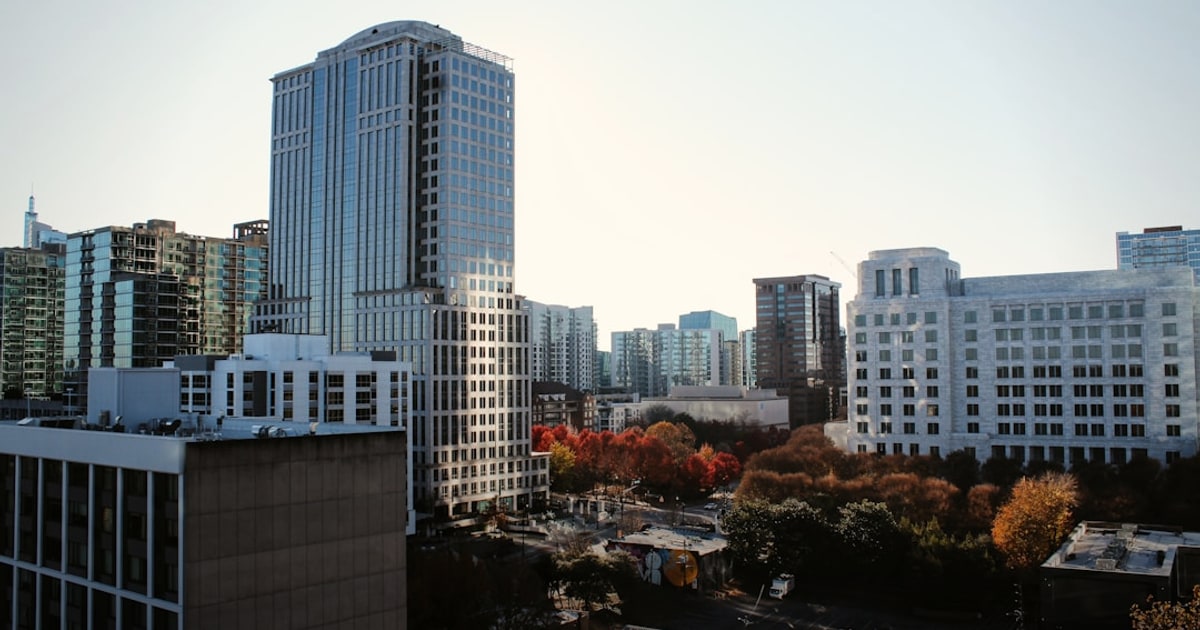
Franck Denis / Pexels
Washington D.C.'s commercial real estate development sector has ground to a near-halt as equity capital has virtually evaporated from the market, leaving developers unable to move forward with new projects. The nation's capital, already reeling from a combination of remote government work policies and economic headwinds, now faces a capital freeze that industry insiders describe as one of the most challenging financing environments in decades.
According to Bisnow, developers searching for equity partners in the district are consistently coming up empty-handed, creating a bottleneck that has kept proposed projects locked in the planning stages with no clear path to groundbreaking.
Key Details
The equity shortage affects projects across multiple asset classes throughout the D.C. metropolitan area. The drought impacts both ground-up construction and major renovation projects requiring institutional-grade financing.
Several high-profile projects remain stalled as sponsors struggle to fill equity gaps.
Construction lending has similarly tightened, with fewer banks actively pursuing development loans in the D.C. market. The combination creates a compounding effect: without equity commitments, developers cannot secure debt financing, and without debt terms, equity providers hesitate to commit capital.
Market Context
The capital freeze gripping Washington D.C. reflects broader national trends in commercial real estate finance, but the district faces compounding challenges that make recovery particularly difficult. The federal government's embrace of remote and hybrid work arrangements has dampened office demand in a market historically driven by government agencies and federal contractors.
Rising interest rates have fundamentally altered the underwriting calculus for new development, eliminating a substantial portion of the pipeline without any projects being formally cancelled—they simply cannot move forward under current financial conditions.
D.C.'s situation mirrors challenges seen in other major metropolitan markets, though the capital's unique dependence on federal employment patterns creates distinct headwinds. Construction starts fell 27% in 2025 to 3.6 million square feet — a 15-year low — making lenders even more cautious about financing speculative development.
Some industry observers note that the current freeze may create future opportunities. With development essentially paused, supply growth has slowed dramatically. If demand returns—whether through federal return-to-office mandates or organic economic growth—the lack of new deliveries could create tight conditions favoring developers who maintained land positions through the downturn.
However, that recovery timeline remains uncertain. Until interest rates stabilize and equity providers regain confidence in D.C.'s growth trajectory, the district's construction cranes are likely to remain idle, and developers will continue searching for capital that remains stubbornly out of reach.
Stay Ahead of the Market
Get breaking CRE news, market reports, and analysis delivered to your inbox every morning.