Massachusetts Life Sciences Campus Secures Refinancing Amidst Shifting CRE Capital Markets
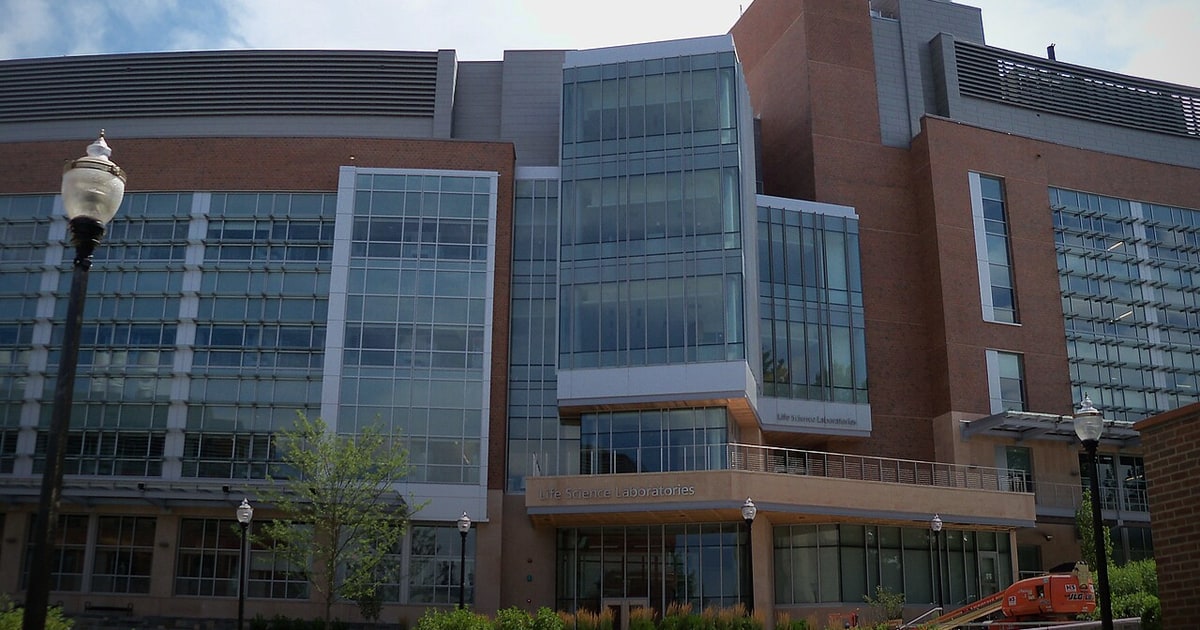
Jon Platek / CC BY-SA 3.0
The preservation of capital for large-scale commercial real estate assets remains a top priority for ownership groups navigating today's stringent lending environment. A recent transaction in the Greater Boston suburban market exemplifies this trend, as a prominent 615,305-square-foot office and life sciences campus has successfully secured new debt. The refinancing of The Core at Crosby underscores the enduring appeal of mixed-use tech and biotech hubs located outside of primary urban cores.
According to REBusinessOnline, the nine-building property in Bedford, Massachusetts, secured the financing thanks to a collaboration between ownership partners Anchor Line Partners and Alloy Properties. The commercial real estate finance arm of LBBW, Berlin Hyp, provided the debt for the sprawling campus. Securing the capital was a collaborative effort by a six-person Newmark advisory team comprising Robert Griffin, David Douvadjian Sr., David Douvadjian Jr., Timothy O’Donnell, Edward Maher, and Matthew Pullen.
Key Details
- Property: The Core at Crosby
- Size: 615,305 square feet across nine individual buildings
- Location: Bedford, Massachusetts (approximately 15 miles northwest of Boston)
- Property Type: Hybrid office and life sciences campus
- Ownership: A joint venture between Anchor Line Partners and Alloy Properties
- Debt Provider: Berlin Hyp, the commercial real estate finance division of LBBW
- Key Tenant: AspenTech (software provider and campus anchor)
- Brokers: Robert Griffin, David Douvadjian Sr., David Douvadjian Jr., Timothy O’Donnell, Edward Maher, and Matthew Pullen of Newmark
Market Context
The refinancing of The Core at Crosby offers several key takeaways for commercial real estate professionals monitoring the Greater Boston metro and the broader life sciences sector. First, the involvement of an international lender like Berlin Hyp highlights that foreign capital remains actively engaged in U.S. commercial real estate, particularly for stabilized, income-generating assets situated in top-tier biotech and tech corridors. The presence of anchor tenant AspenTech—a major enterprise software provider—likely played a critical role in underwriting the loan, demonstrating that creditworthy, long-term tenancies remain the linchpin for securing institutional debt in the current financial climate.
Furthermore, the location of the asset in Bedford reflects a sustained appetite for suburban office and lab spaces. As life sciences companies and technology firms navigate hybrid work models and seek specialized facilities, markets along the Route 128 corridor remain highly desirable alternatives to downtown Boston. The successful placement of this debt indicates that while overall transaction volume may be suppressed by higher interest rates, lenders are still willing to execute substantial loans for well-positioned, mixed-use suburban campuses anchored by industry-leading tenants.
Stay Ahead of the Market
Get breaking CRE news, market reports, and analysis delivered to your inbox every morning.