World Cup 2026's Commercial Real Estate Impact: Record Rates, Softer Hotels, a Rental Surge
Margaux Thore / Unsplash
The 2026 FIFA World Cup — underway from June 11 to July 19 across the United States, Canada, and Mexico — was billed as a windfall for host-city commercial real estate. The reality taking shape is more nuanced: host hotels are commanding higher rates but filling fewer rooms than expected, while the strongest real estate stories are emerging in short-term rentals and stadium-anchored development.
Big projections, a softer hotel reality
Host committees projected outsized impacts. The New York/New Jersey region, which hosts the July 19 Final, projects roughly $3.3 billion in economic impact, 26,000-plus jobs, and $432 million in tax revenue across its eight matches, per Tourism Economics figures cited by the host committee.
The hotel booking data has told a more cautious story. By early May 2026, about 80% of hoteliers across all 11 U.S. host markets reported bookings tracking below initial forecasts, according to an American Hotel & Lodging Association survey, with roughly 65% citing visa barriers and geopolitical concerns.
New York is the sharpest example. As of April, NYC hotels were only 18% booked for the June–July window — down from 26% a year earlier — with game-day room rates falling 24% between December and April, the largest decline of any host city. The pattern across markets looks less like an occupancy boom and more like a rate event: hotels charging more for the rooms they do fill, concentrated tightly around match dates.
Short-term rentals are the standout demand story
Where hotels softened, short-term rentals spiked. Near MetLife Stadium, New Jersey short-term-rental bookings surged about 500% for the Final weekend, concentrated in Jersey City, Hoboken, Clifton, and North Bergen — with an Essex County mansion listed above $38,000 and a Carlstadt two-bedroom above $12,000 for the July 17–20 window.
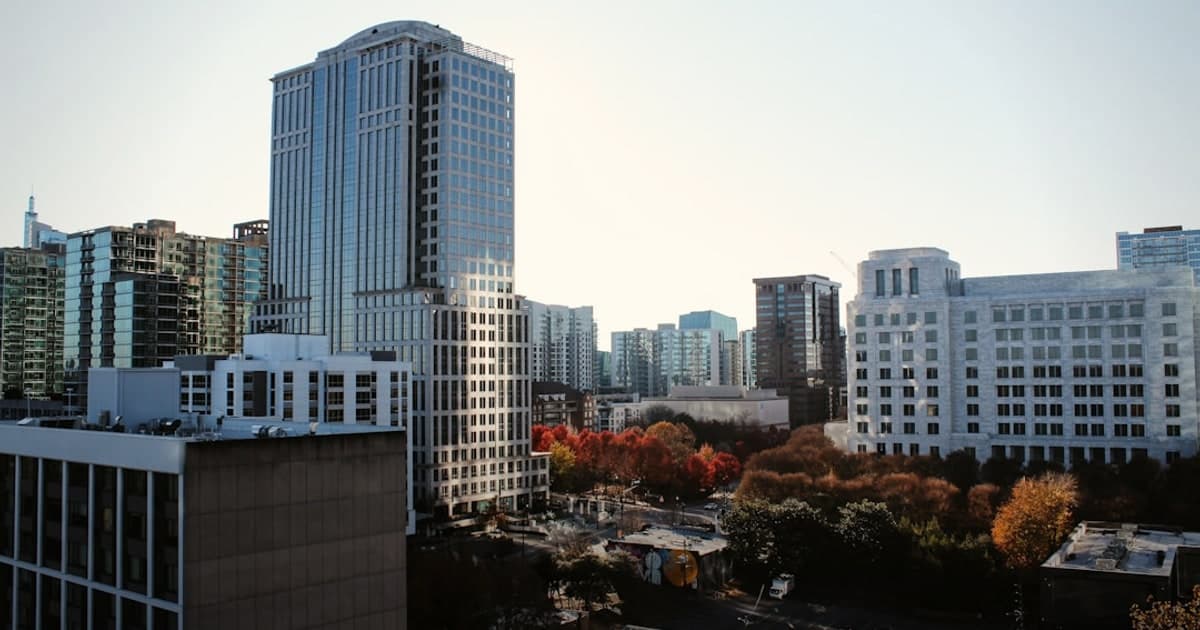
Atlanta saw a similar pattern ahead of its July 15 semifinal, with citywide non-game-day rental bookings up roughly 131% and several neighborhoods posting year-over-year spikes in the thousands of percent. In Miami, match-week short-term-rental fill rates more than doubled off their baseline.
Miami is the hotel bright spot
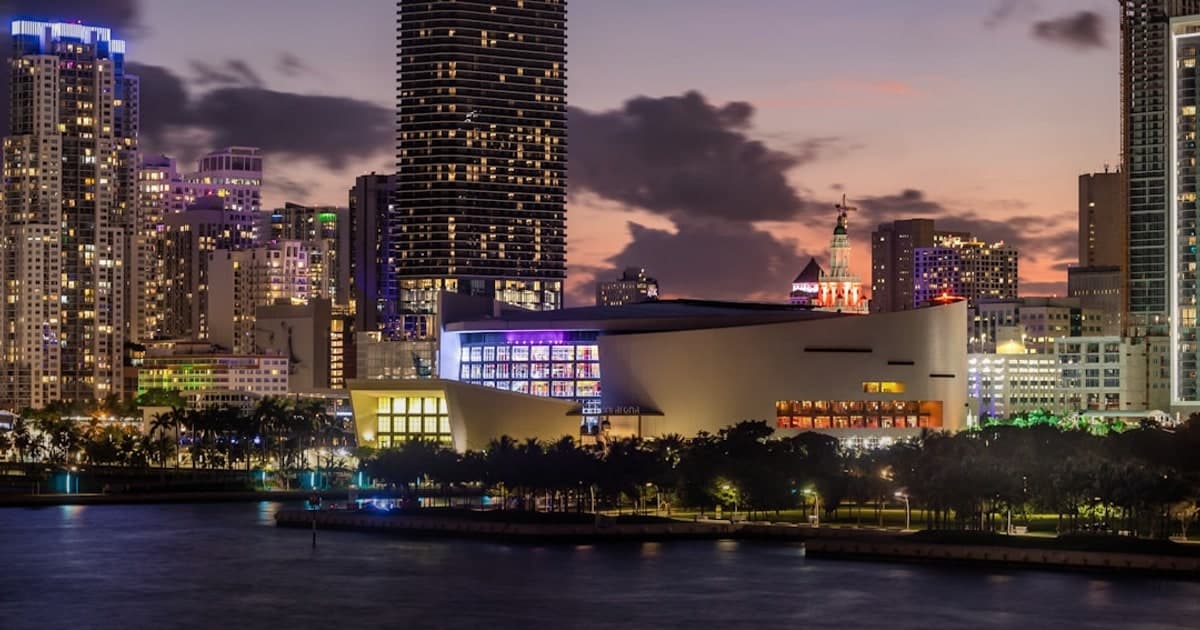
Among host markets, Miami stands out. It is the best-performing U.S. host hotel market, with about 55% of hotels reporting booking pace ahead of expectations — one of only two positive host cities in the AHLA outlook — helped by easy access from Latin America and the Caribbean and by summer timing that falls in South Florida's off-season, making the demand additive.
Miami also produced one of the tournament's most concrete commercial real estate deals: FIFA leased and expanded its permanent Americas headquarters to 75,000 square feet at 396 Alhambra Circle in Coral Gables, relocating staff from Zurich.
The durable story: stadium-anchored development
The most lasting CRE impact is in the mixed-use districts built around host venues — hard assets whose timelines the tournament accelerated:
- Los Angeles — Hollywood Park, Stan Kroenke's roughly 300-acre district anchored by SoFi Stadium, pairs millions of square feet of planned office with about 890,000 square feet of retail and 2,500 residences. The adjacent 300-room Kali Hotel is set to open in September 2026, and the 2028 Olympics extend the investment thesis.
- Dallas/Arlington — The $550 million, 888-room Loews Arlington Hotel, plus Live! by Loews opening in June 2026, form a walkable hospitality cluster of roughly 1,188 rooms inside the stadium-entertainment district.
- Atlanta — The $5 billion Centennial Yards mixed-use project anchors the downtown fan zone.
- Kansas City — The $1 billion "Current Landing" riverfront district accelerated its first phase to spring 2026.
The skeptical counterweight
Not every number points up. Host cities could face a collective budget shortfall of up to roughly $250 million even as FIFA is estimated to collect around $8.9 billion from the tournament. And in Philadelphia, one analysis estimates that only $30 million to $90 million of the projected impact actually stays local.
Why it matters for CRE
For commercial real estate, the World Cup's legacy looks less like a one-month hotel boom and more like two durable shifts: the short-term-rental demand spike rewarding owners near venues, and the stadium-anchored mixed-use districts whose construction the tournament pushed forward. Hollywood Park, Centennial Yards, Current Landing, and the Arlington hospitality cluster will all outlast the final whistle — and in Los Angeles, the thesis runs straight into the 2028 Olympics. The hotel "boom," by contrast, is proving to be a rate story concentrated around match dates rather than the broad occupancy windfall many host markets had anticipated.
Related coverage: World Cup Final Brings a $3.3B Projection and a Hotel Paradox to New York/New Jersey · Miami Is Winning the World Cup Hotel Race as Other Host Cities Stumble · Hoteliers Embrace AI Carefully, Warning Against Losing the Human Touch
Free CRE News Briefing
Editor-curated commercial real estate stories, delivered to your inbox. Confirm your email to join.