This Week in Commercial Real Estate — July 10, 2026

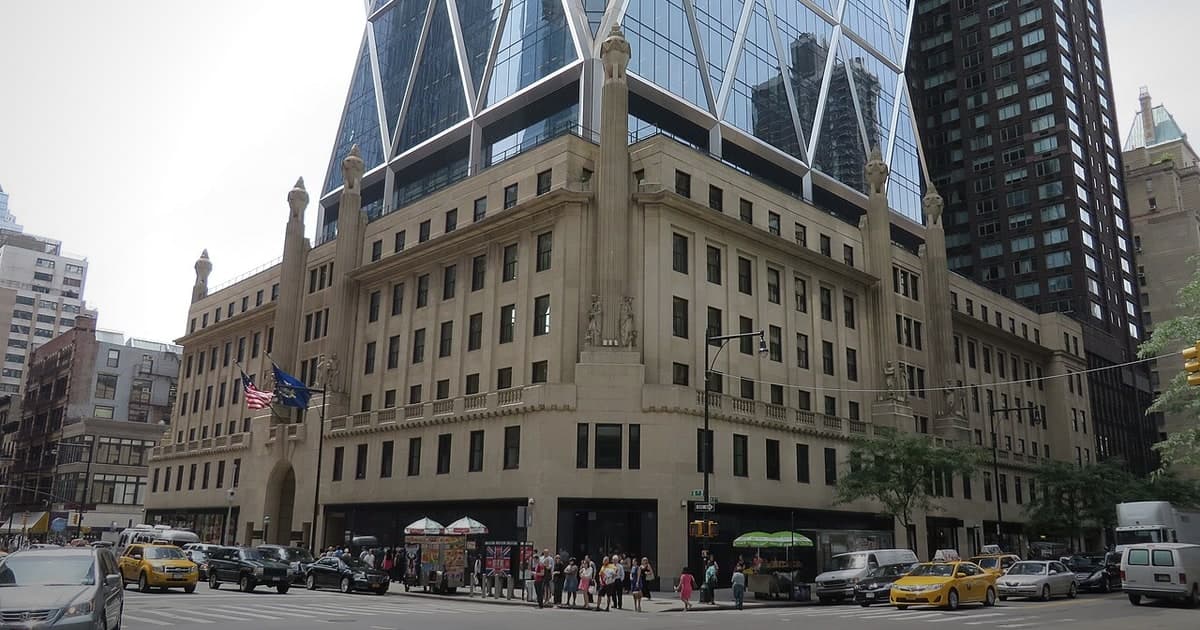
formulanone / CC BY-SA 2.0
Commercial real estate spent the week balancing conviction and caution. Capital is still moving into sectors and assets with a clear growth story, but pricing, leasing and development decisions increasingly reflect a market that is rewarding selectivity rather than broad-based optimism.
Capital is chasing durable growth stories
The clearest pattern this week was that investors are still willing to write very large checks when they see long-term structural demand. That showed up most dramatically in CSquare files for IPO as Brookfield-backed data center operator targets NYSE debut, where a data center operator tied to one of the world’s biggest real asset investors is aiming for a multibillion-dollar public valuation. It also appeared in Centerbridge buys minority stake in Merritt Properties as leadership changes take shape, a sizable bet on an established operating platform rather than a one-off asset trade.
At the policy level, Lawmakers Recast Opportunity Zones With Permanent Framework and Rural Incentives suggests investors may soon get a more durable tax framework for placing long-term capital, with an added push toward rural markets. That matters because it points to a market still hungry for conviction trades, but increasingly interested in structures that reduce uncertainty and widen the map of investable locations.
Even CrossCountry wins Two Harbors vote, ending UWM’s takeover fight fits the broader mood: capital allocation is not passive right now. Ownership, control and strategic direction remain contested, and that says a lot about how seriously firms are positioning for the next phase of the cycle.
The office market is healthier at the top than in the middle
Office was another defining theme, but not because the whole sector is recovering evenly. The week’s leasing stories pointed to a market where quality, location and tenant profile still matter far more than simple occupancy statistics.
In Manhattan, Adaptive Security Takes 51,220 SF Sublease at 120 Broadway in Lower Manhattan and Anchorage Capital Advisors Leases Full 18th and 19th Floors at 125 West 57th Street showed that tenants are still making meaningful commitments when the space and address line up with their needs. Loeb & Loeb Renews and Expands at 345 Park Avenue in Midtown East reinforced the point even more strongly: established firms are not just staying put, they are extending terms and in some cases growing into more space.
But the broader picture remains uneven. Top-Tier Offices Drive Washington Leasing as Broader Market Stays Under Pressure made explicit what many of the week’s lease headlines implied: demand is concentrating in trophy and top-tier buildings, while the wider office inventory continues to feel strain. This was a good week for premium assets, not necessarily for the office market as a whole.
Real estate tied to the digital economy is creating winners — and pressure points
Data centers were impossible to ignore this week, not just as an investment theme but as a force reshaping land use and competition across property types. The headline IPO effort in CSquare files for IPO as Brookfield-backed data center operator targets NYSE debut underscored how much investor enthusiasm is centered on digital infrastructure.
But the more interesting signal may have come from Phoenix’s Data Center Land Rush Is Starting to Price Out the Warehouses the Market Still Needs, which described the side effects of that enthusiasm. As land and power get pulled toward data center uses, traditional industrial occupiers can get squeezed out, especially the smaller warehouse users that help keep local logistics ecosystems functioning. In other words, one of the hottest growth sectors in real estate is also starting to distort another one.
That tension gives extra meaning to a more conventional industrial transaction like Majestic Asset Management Buys Carlsbad Industrial HQ for $45 Million. A fully leased industrial property still looks like a stable target, but industrial is no longer a single simple story. In some markets, it remains a straightforward income play; in others, it is competing with digital infrastructure for land, utilities and investor attention.
Pricing resets are still shaping transaction activity
For all the upbeat signs on leasing and capital formation, this was also a week that reminded everyone the market is still working through repricing. Four Peaks enters Denver with Civic Lofts buy from Centerspace at a steep markdown was the most direct example, with a multifamily deal that highlighted how oversupply and changed market conditions are resetting values from prior-cycle peaks.
That same sense of recalibration hovered in the background of Billion-Dollar Deals and Leasing Gains Mark a Busy Week for Commercial Real Estate, where the pace of big transactions and fundraises suggested plenty of activity, but not necessarily a return to old assumptions. Deals are getting done; they are just happening in a market that is more discriminating about price and thesis.
Even sectors with encouraging fundamentals are sorting themselves into narrower buckets. University-Linked Senior Living Communities Expand Their Footprint and University-Linked Senior Living Communities Gain Traction Across the U.S. pointed to demand for a specialized living format tied to campus access and intergenerational appeal. That is another version of the week’s broader lesson: capital and users are still showing up, but increasingly for niche formats with a distinctive value proposition rather than undifferentiated product.
What to watch: whether capital keeps concentrating in data centers, trophy offices and specialized living formats — or whether policy support and pricing resets start to broaden the field.
Free CRE News Briefing
Editor-curated commercial real estate stories, delivered to your inbox. Confirm your email to join.