Miami Is Winning the World Cup Hotel Race as Other Host Cities Stumble
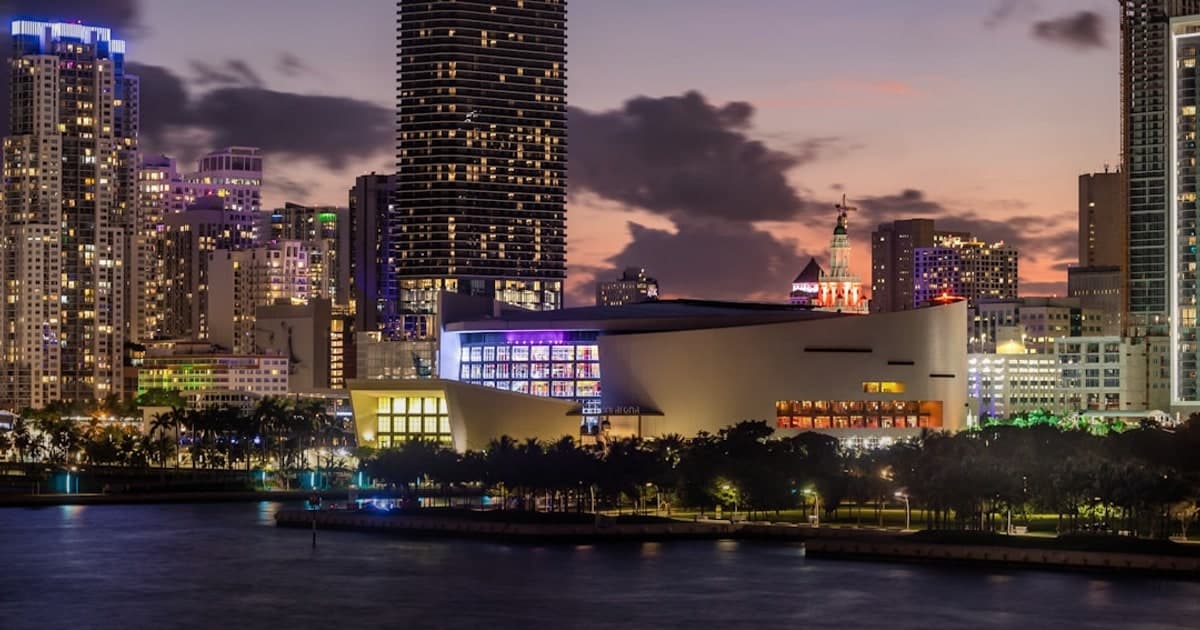
Rolando Yera / Unsplash
While most 2026 World Cup host cities are seeing softer-than-expected hotel demand, Miami is the exception. South Florida has emerged as the best-performing U.S. host hotel market, with about 55% of hotels reporting booking pace ahead of expectations — one of only two host cities tracking positive in the American Hotel & Lodging Association's outlook.
Two factors set Miami apart: easy access for fans traveling from Latin America and the Caribbean, and timing. The tournament falls during South Florida's summer off-season, making World Cup demand additive rather than a substitute for existing business.
Short-term rentals follow
The strength extends to short-term rentals. Miami match-week fill rates rose to about 37% from a 17% baseline — a roughly 118% increase — with booked average daily rates in the $378–$404 range.
A permanent CRE footprint
Miami's World Cup story also includes a durable commercial real estate win. FIFA leased and expanded its permanent Americas headquarters to 75,000 square feet at 396 Alhambra Circle in Coral Gables, relocating roughly 350 staff from Zurich — a long-term office commitment that outlasts the tournament itself.
Why it matters
For South Florida commercial real estate, the World Cup is doing what host-city boosters everywhere hoped it would: filling hotel rooms, lifting short-term-rental demand, and — uniquely — anchoring a global sports body's regional headquarters in Coral Gables. Miami hosts seven matches, including the third-place playoff, and its off-season timing means the visitor surge adds to, rather than displaces, the market's baseline business.
In a tournament where many host hotels are charging more to fill fewer rooms, Miami is the market that is actually filling them — and turning a one-month event into a permanent office tenancy and a stronger hospitality narrative for South Florida.
Related coverage: Hotel Executives Warn Against Letting AI Replace the Human Touch · World Cup Final Brings a $3.3B Projection and a Hotel Paradox to New York/New Jersey · World Cup 2026's Commercial Real Estate Impact: Record Rates, Softer Hotels, a Rental Surge
The Distinction Owners Should Keep in View
Tournament demand and durable hotel performance are not the same thing. Operators will need to compare booked rates with final occupancy, cancellations, and the cost of acquiring those reservations before judging the event's full value. The more important post-event test is whether international exposure produces repeat leisure, group, or corporate demand after the matches end.
FIFA's Coral Gables office provides a different kind of benefit. Unlike a temporary room-night surge, a 75,000-square-foot headquarters can support recurring employment, vendor activity, and business travel. That makes Miami's World Cup outcome a combination of event-driven hospitality revenue and a lasting office tenancy. For owners underwriting around major events, the lesson is to separate one-time compression nights from the institutions and recurring demand generators that remain after the crowds leave.
Public agencies and operators can make that comparison easier by publishing final occupancy, average rate, tax receipts, and visitor counts against a normal summer baseline. Without that after-action data, the largest projections will remain difficult to verify or apply to future events.
Free CRE News Briefing
Editor-curated commercial real estate stories, delivered to your inbox. Confirm your email to join.