Dubai's Luxury Property Market Rebounds Amid AED 2.5B Government Stimulus
Ahmed Aldaie / Unsplash
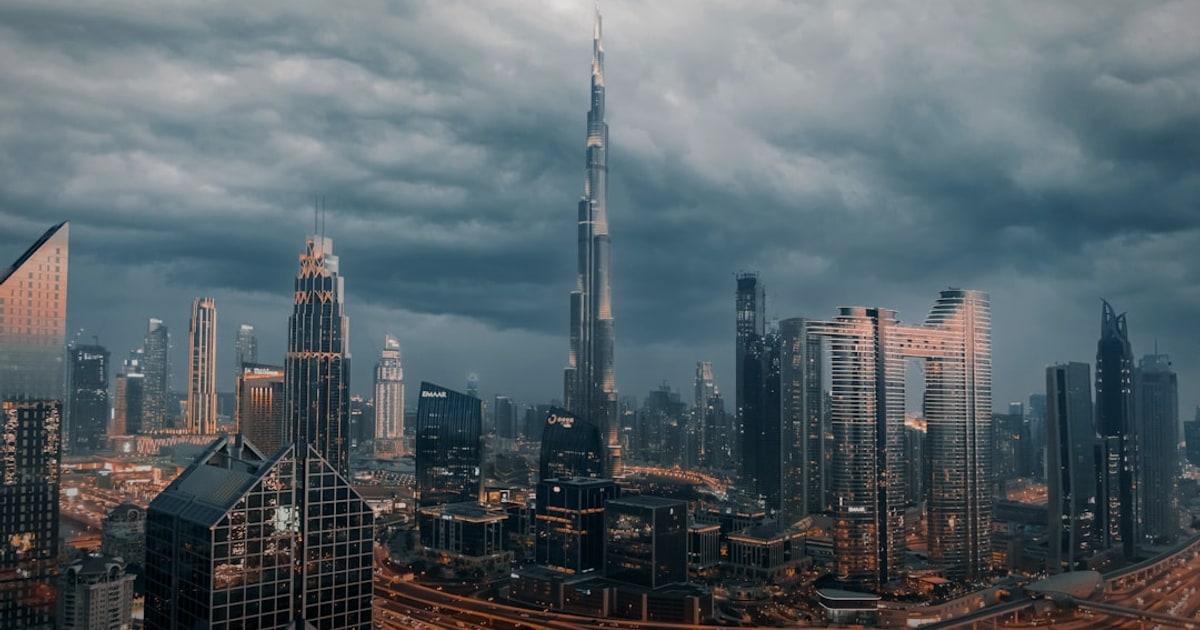
Dubai’s premium real estate market is mounting a robust recovery, buoyed by AED 2.5 billion (approximately $681 million) in government-mandated fee suspensions aimed at the hospitality sector. Despite escalating geopolitical tensions in the Middle East, luxury property sales in the emirate have picked up, signaling renewed confidence among high-net-worth investors and international stakeholders.
According to CNBC, Ali Sajwani, Managing Director of Operations and Technology at DAMAC Group, confirmed that the UAE real estate market has experienced a sharp pick-up in transactions. Sajwani pointed directly to aggressive government intervention—specifically AED 2.5 billion (approximately $681 million) worth of fee suspensions designed to stimulate the hospitality and luxury sectors—as the primary catalyst for this market resilience.
Key Details
The market rebound is characterized by several distinct factors relevant to commercial real estate professionals:
- Financial Catalyst: The Dubai government has deployed an estimated AED 2.5 billion (approximately $681 million) in fee suspensions and targeted financial relief specifically structured for the hospitality and luxury real estate industries.
- Geopolitical Resilience: This recovery is occurring simultaneously with ongoing regional conflicts, proving Dubai's increasing status as a geopolitical safe haven.
- Market Consolidation: Sajwani issued a stark warning regarding the industry's future structure, predicting that smaller, less capitalized developers will completely disappear as larger firms absorb market share.
- Primary Stakeholders: DAMAC Group is actively leveraging this environment as a significant player in Dubai's luxury and hospitality development market.
Market Context
For commercial real estate professionals, the AED 2.5 billion (approximately $681 million) stimulus underscores a strategic pivot by Dubai to insulate its domestic economy from external shocks. Historically, regional instability has caused foreign capital to flee the Middle East. However, the emirate's proactive fiscal policies are effectively decoupling its local real estate market from broader regional volatility. This shift represents a structural change in how institutional capital views Dubai's risk profile.
Furthermore, the projected consolidation of the development sector carries heavy implications for the CRE supply chain. As smaller developers are squeezed out by rising capital requirements and tighter profit margins, the market will likely see a surge in mergers, acquisitions, and joint ventures among larger, better-capitalized firms.
The success of the hospitality sector incentives also offers a valuable playbook for global municipalities. By directly reducing the frictional costs of doing business in the high-margin luxury segment, Dubai has accelerated its post-pandemic and conflict-era recovery timeline. CRE investors and fund managers should closely monitor how this AED 2.5 billion injection impacts long-term yields in the ultra-luxury hospitality space, as these metrics will likely dictate the pace of future foreign direct investment in the UAE.
Related coverage: Hoteliers Embrace AI Carefully, Warning Against Losing the Human Touch · Hotel Executives Warn Against Letting AI Replace the Human Touch · Ryman Explores Sale of Controlling Interest in Opry Entertainment Group
Stay Ahead of the Market
Get breaking CRE news, market reports, and analysis delivered to your inbox every morning.