Experiential Retailers and Compact Footprints Drive Seattle-Area Leasing Activity
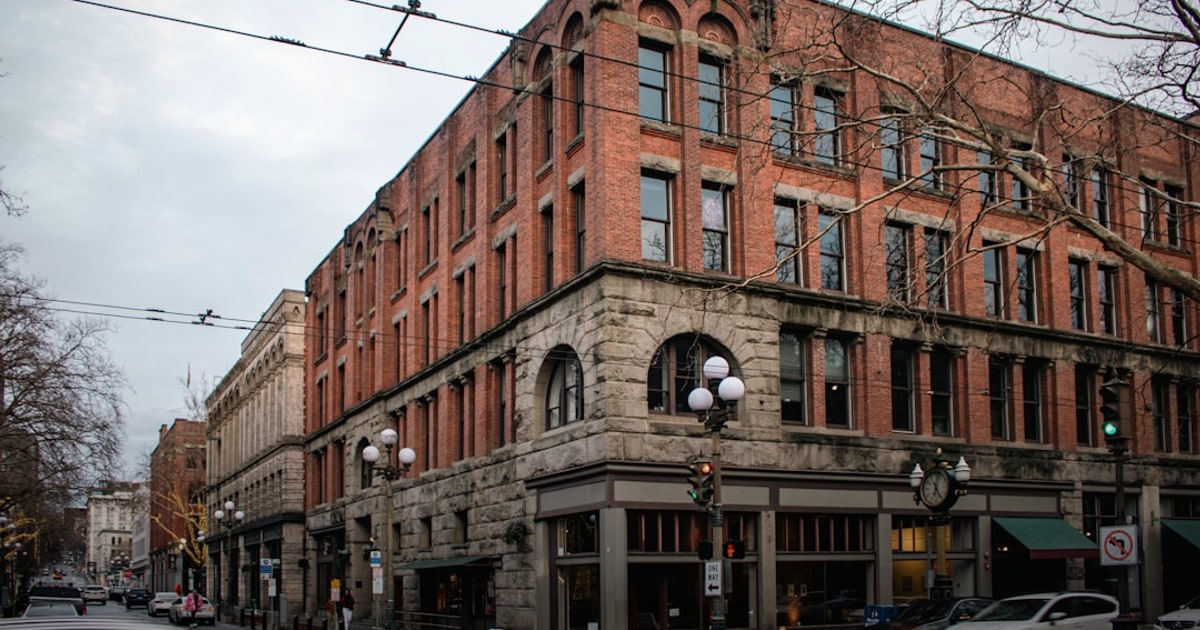
Zoshua Colah / Unsplash
Retailers across the Pacific Northwest are rewriting their expansion playbooks, prioritizing smaller footprints and customer experiences over traditional large-format stores in the Puget Sound region. According to Kidder Mathews, this strategic shift is acting as the primary catalyst for commercial real estate stability as the market transitions into 2026.
The Puget Sound retail sector is currently navigating a complex economic environment. While overall consumer spending remains steady and foot traffic counts are improving, job growth in the tech-heavy region has begun to moderate. Combined with the lingering cost pressures of inflation, shoppers are spending more deliberately. This altered consumer behavior has directly impacted leasing strategies, prompting retail tenants to become highly selective when scouting new locations. Rather than securing massive big-box spaces, merchants are actively targeting compact, experiential environments that offer something beyond a simple transaction.
Key Details
- Market Drivers: Retail leasing is currently being led by tenants seeking smaller-format spaces designed specifically for experiential retail.
- Economic Indicators: The region is experiencing a moderation in job growth alongside persistent cost pressures, leading to more cautious consumer spending habits.
- Performance Metrics: Despite economic headwinds, regional foot traffic is on an upward trend, providing a baseline of support for brick-and-mortar operators.
- Sector Outlook: The overall retail market is exhibiting clear stability as 2026 begins, with demand remaining intact even as tenant requirements evolve.
Market Context
For commercial real estate professionals, the Kidder Mathews report underscores a critical evolution in lease negotiations and property management. Landlords holding traditional large-format anchor spaces face mounting pressure to repurpose or divide their assets to meet the current demand for condensed footprints. This trend mirrors broader national retail real estate movements, where landlords are benefiting from the densification of retail spaces. By splitting a single 50,000-square-foot big-box vacancy into multiple 5,000-square-foot suites, property owners can often achieve higher rent per square foot while simultaneously diversifying their tenant mix.
The pivot toward experiential retail—the concept that a store must offer an interactive or immersive customer experience to draw physical traffic—is a direct response to the e-commerce boom. For the Puget Sound submarket, a region heavily influenced by the tech industry, retailers are finding success with concepts that blend digital and physical commerce. Medical clinics, boutique fitness centers, interactive entertainment venues, and specialized food and beverage operators are emerging as the most active prospective tenants.
Brokers advising retail clients in the Seattle metropolitan area and surrounding suburbs must align their site selection strategies with these new operational requirements. Tenants are aggressively seeking locations with high walkability and proven foot traffic counts, willing to pay premium rates for spaces that guarantee visibility and consumer engagement. Moving forward, the retail centers that will successfully maintain low vacancy rates are those that proactively curate a mix of entertainment, wellness, and specialized retail, adapting to the reality that the modern shopper values a destination as much as the products it sells.
Stay Ahead of the Market
Get breaking CRE news, market reports, and analysis delivered to your inbox every morning.