Historic Casket Factory Reborn as Arts Hub in Chicago's East Garfield Park

Airam Dato-on / Pexels
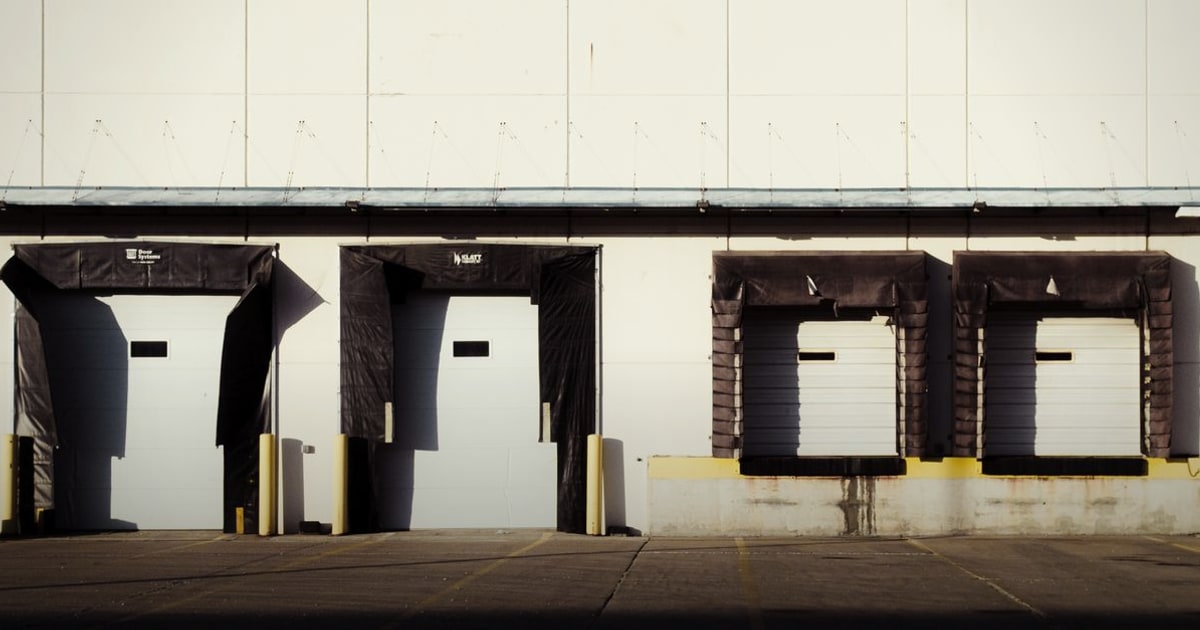
A century-old industrial building on Chicago's West Side has a new purpose. LJC has completed an adaptive reuse project converting the former Loyal Casket Factory at 148 S. California Avenue into a performing arts center and community gathering space. The East Garfield Park property now serves as the permanent headquarters for BandWith Chicago, a nonprofit organization focused on music and arts programming.
The redevelopment represents a growing trend in commercial real estate: breathing new life into legacy industrial stock rather than demolishing it. The building, which originally served as a casket manufacturing facility, has been reimagined to accommodate drumline rehearsals, dance instruction, choral performances, sound engineering training, and multigenerational community programming.
Key Details
The transformation of 148 S. California Avenue involved extensive interior modifications to support BandWith Chicago's diverse programming needs. The facility now features specialized spaces for performing arts education and community events. According to Connect CRE, the project establishes a permanent home for the nonprofit's drumline, dance, choral, sound engineering, and multigenerational community initiatives.
The property's location in East Garfield Park positions it within a neighborhood that has attracted increasing developer interest in recent years, driven by proximity to downtown Chicago and relatively affordable real estate compared to trendier submarkets.
Market Impact
This project illustrates several noteworthy dynamics for commercial real estate professionals tracking the Chicago market and adaptive reuse strategies more broadly.
First, it demonstrates the viability of mission-driven development in emerging neighborhoods. Nonprofit tenants often seek long-term stability and community integration—qualities that historic properties can provide at lower basis costs than new construction. For developers and investors, partnering with community-focused organizations can unlock financing mechanisms including historic tax credits, community development grants, and impact investment capital.
Second, East Garfield Park continues to attract attention from developers betting on West Side revitalization. The neighborhood's stock of early-20th-century industrial buildings presents conversion opportunities across multiple asset classes, from residential lofts to creative office and community facilities.
Third, the project underscores the flexibility of industrial properties. Buildings originally designed for manufacturing often feature high ceilings, open floor plates, and robust structural systems that adapt well to unconventional uses—including performing arts venues requiring specialized acoustics and spatial configurations.
For brokers and investors monitoring Chicago's adaptive reuse pipeline, projects like this signal that neighborhood-focused redevelopment remains active even as larger downtown office conversions capture headlines. The intersection of historic preservation, community development, and creative repositioning continues to generate opportunities across the city's industrial corridors.
Stay Ahead of the Market
Get breaking CRE news, market reports, and analysis delivered to your inbox every morning.