How a Warsh-Led Fed Could Reshape Commercial Real Estate Financing
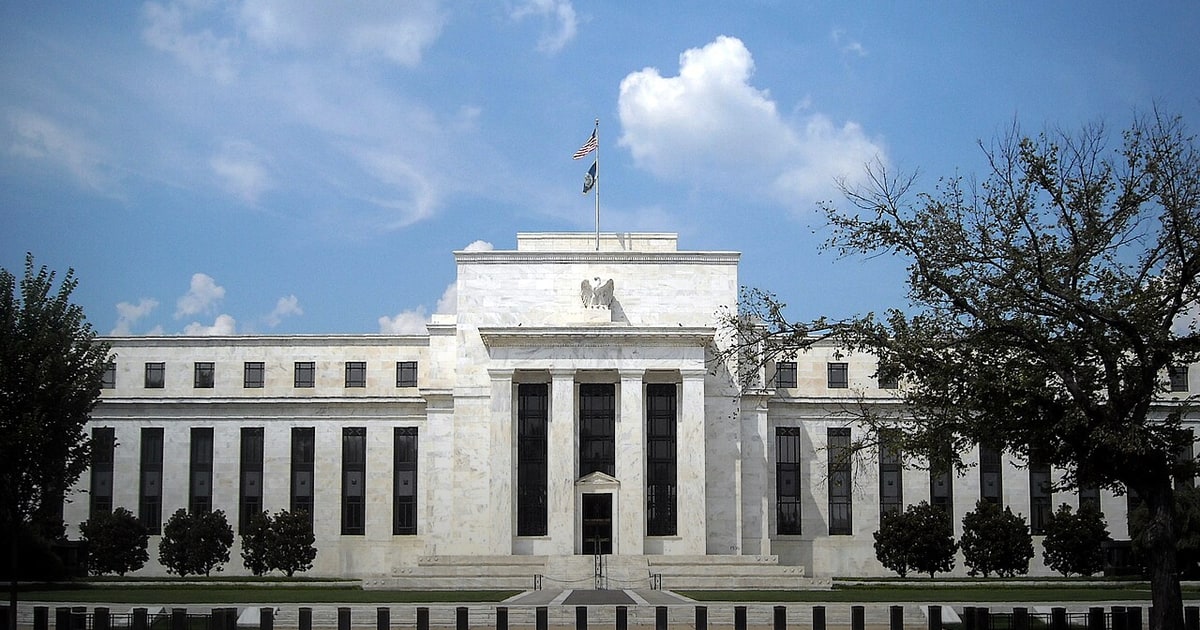
AgnosticPreachersKid / CC BY-SA 3.0
How a Warsh-Led Fed Could Reshape Commercial Real Estate Financing
The commercial real estate sector faces a potential regulatory earthquake as Kevin Warsh emerges as a leading candidate to lead the Federal Reserve. According to CNBC, Warsh would bring an aggressive policy overhaul to the central bank that reaches far deeper than the federal funds rate—threatening to alter the refinancing landscape for billions in maturing CRE debt scheduled through 2027.
Key Details
Warsh's reported policy framework includes:
- Structural Fed reform: Reducing the central bank's balance sheet beyond current quantitative tightening pace, potentially forcing tighter lending standards among regional banks that are major providers of commercial mortgage originations
- Deregulatory posture: Revisiting Basel III capital requirements that have constrained bank lending to commercial property since 2023
- Rate policy philosophy: Greater willingness to tolerate higher unemployment to combat inflation, which could extend the elevated rate environment well beyond current market expectations
- Timeline: Any appointment would require Senate confirmation, with policy implementation likely beginning Q3 2026 at earliest
The former Fed governor and Morgan Stanley veteran has historically advocated for a more rules-based approach to monetary policy, which could reduce the discretionary rate cuts CRE investors have relied upon during downturns.
Market Context
For commercial real estate professionals, a Warsh chairmanship introduces both risk and opportunity. The sector faces significant near-term debt maturities, with office properties particularly vulnerable as refinancing costs have risen sharply since 2021.
However, the potential rollback of capital requirements could open lending capacity for well-capitalized borrowers seeking acquisition financing. Private credit funds could benefit from reduced bank competition in the CRE debt space.
The implications vary dramatically by sector:
- Office: Extended high-rate environment pressures already-stressed valuations, particularly in secondary markets with elevated vacancy
- Industrial: Cap rate expansion may create buying opportunities for logistics assets near population centers
- Multifamily: Deregulatory approach could ease construction lending, potentially adding supply in markets like Austin and Phoenix where rent growth has stagnated
- Retail: Neighborhood centers with grocery anchors may see refinancing stabilize as essential businesses demonstrate consistent cash flows
Market participants should monitor three critical signals: Warsh's confirmation hearing testimony for policy specifics, the pace of Fed balance sheet reduction in Q2 2026, and regional bank lending surveys from the FDIC. The combination of structural reform and rate policy independence could create a meaningful spread between best-in-class and distressed CRE financing—a disparity that rewards well-capitalized operators while punishing overleveraged portfolios.
Stay Ahead of the Market
Get breaking CRE news, market reports, and analysis delivered to your inbox every morning.