Industrial Powerhouse Pivots to Master-Planned Community Development

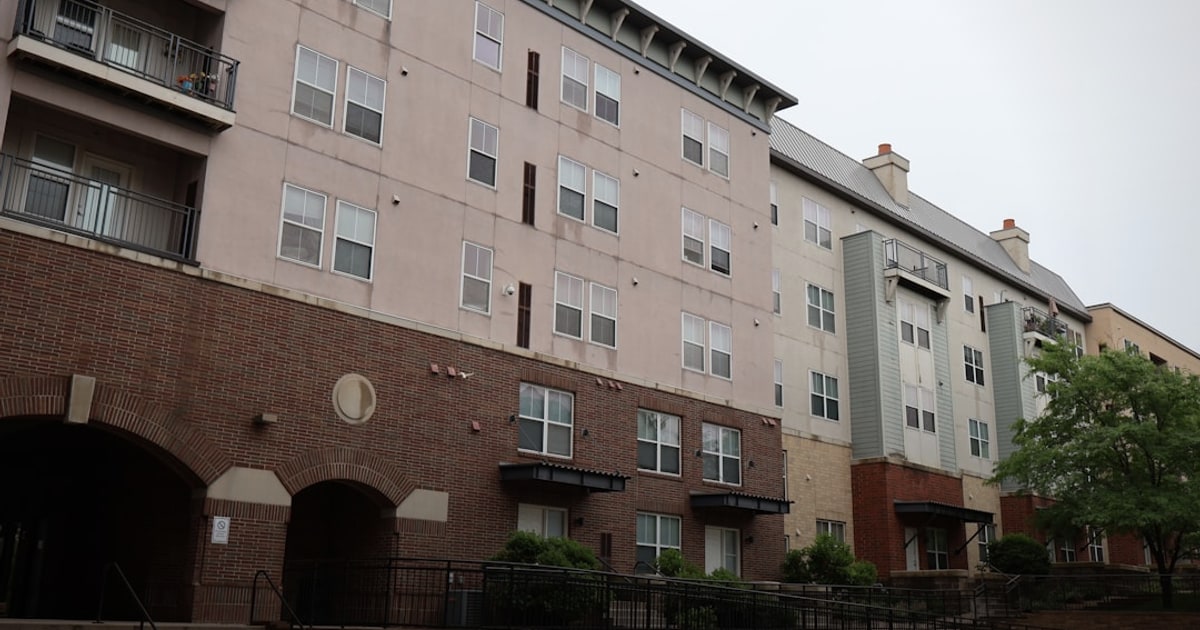
John Sullivan / Pexels
In an era where vertical integration is becoming the norm, one of the logistics industry's heavyweights is making a surprising pivot: moving from managing supply chains to building entire communities. According to Propmodo, a prominent logistics firm is transitioning into the realm of master-planned development.
This strategic evolution goes beyond simply developing adjacent office parks or worker amenities. The initiative represents a comprehensive approach to urban planning, where logistics expertise informs the creation of residential, commercial, and retail spaces designed for the modern economy. By controlling the development process from the ground up, the company aims to create synergistic ecosystems that serve both the supply chain industry and the communities that support it.
Key Details
The logistics giant's foray into city building encompasses several noteworthy elements. First, the company is leveraging its vast land holdings—often acquired for warehouse development—to create mixed-use destinations. These projects typically blend industrial facilities with housing, retail, dining, and green spaces designed to attract a workforce increasingly seeking live-work-play environments.
Additionally, the firm is applying its data-driven approach to supply chain management toward urban planning. Using sophisticated analytics, the developer can identify optimal locations not just for distribution efficiency, but for community livability and long-term value appreciation. This analytical edge could differentiate their projects from traditional developments.
The company is also prioritizing sustainability and technology integration. Plans include smart infrastructure, renewable energy systems, and transportation networks designed to reduce carbon footprints while improving connectivity between residential areas and employment centers.
Market Impact
For commercial real estate professionals, this trend carries significant implications. The entry of logistics operators into mixed-use development introduces a new class of well-capitalized competitor with unique advantages. These firms bring deep pockets, extensive land portfolios, and an operational mindset that could disrupt traditional development models.
Secondly, this shift reflects the evolving relationship between industrial assets and surrounding communities. As e-commerce continues reshaping consumer expectations, the demand for strategically located distribution hubs near population centers will only intensify. Developers who understand this dynamic—and can create projects that balance industrial functionality with community needs—will be well-positioned for success.
Finally, investors should monitor how these logistics-led developments perform compared to traditional master-planned communities. If successful, we may see more industrial firms diversifying into broader real estate development, potentially reshaping the competitive landscape across multiple property sectors.
The convergence of logistics expertise and community development represents an intriguing experiment in real estate innovation—one that industry watchers will be following closely in the coming years.
Related coverage: Sagard Real Estate Expands Industrial Portfolio With Hayward Acquisition Along I-880 Corridor · Property Reserve Acquires Fully Leased 450K SF New Jersey Industrial Facility · Founders Properties Expands Twin Cities Footprint with $26.4M Eagan Industrial Acquisition
Stay Ahead of the Market
Get breaking CRE news, market reports, and analysis delivered to your inbox every morning.