Modernized Ground Leases Emerge as Critical Capital Solution for Affordable Housing Developers
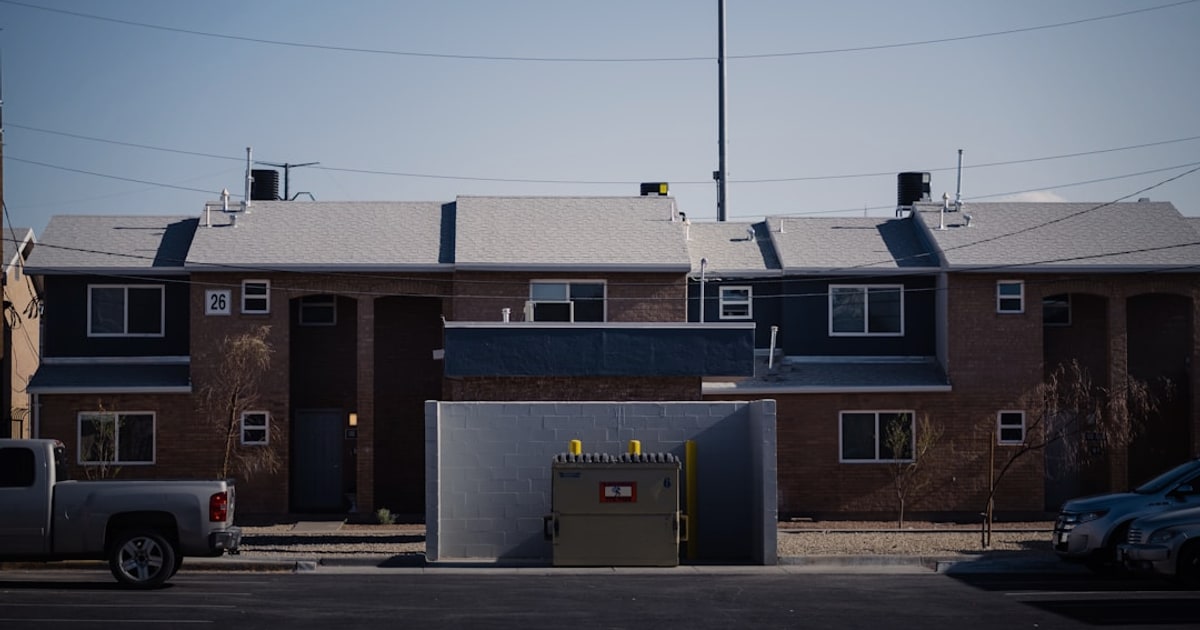
Levi Meir Clancy / Unsplash
Affordable housing developers facing an increasingly hostile financing environment are finding an unlikely ally in modernized ground lease structures, with Safehold Inc. stepping in to bridge critical funding gaps across Texas and expanding markets.
The ground lease specialist is deploying a capital solution that addresses one of the most persistent challenges in affordable housing development: assembling a viable capital stack when conventional lenders retreat. By separating land ownership from building ownership, Safehold's model allows developers to reduce their initial equity requirements while preserving the economic benefits of property ownership.
Key Details
Safehold's approach involves acquiring the land beneath affordable housing developments and leasing it back to developers on a long-term basis, typically 99 years. This structure removes land acquisition costs from the developer's upfront capital requirements, meaningfully reducing the equity needed to break ground.
The company works alongside affordable housing developers, municipal housing agencies, and conventional lenders to create integrated capital stacks. Ground lease payments are structured as operating expenses rather than debt service, improving the project's debt capacity and overall financial viability.
Financial terms vary by market and project specifics, but the structure typically enables developers to achieve higher leverage ratios than traditional fee-simple ownership models.
Market Context
The timing of Safehold's expanded focus on affordable housing comes as the sector faces unprecedented financial pressure. According to REIT.com, the financing gap for affordable housing has widened considerably as interest rates have climbed and banks have tightened lending standards.
Texas markets present particular opportunities for this model. The state's rapid population growth has intensified demand for affordable housing units, while rising construction costs have made traditional development economics increasingly difficult to pencil out.
For commercial real estate professionals, Safehold's ground lease model represents a broader trend toward creative capital solutions in the affordable housing space. The structure competes with other alternative financing approaches, including social impact funds, community development financial institutions, and public-private partnerships.
The implications extend beyond individual project feasibility. As municipalities struggle to meet affordable housing mandates with limited public funding, private capital solutions like modernized ground leases represent one avenue developers are exploring to improve project economics.
Industry observers note that the success of this model in Texas could inform adoption in other high-growth Sun Belt markets, including Phoenix, Orlando, and Nashville, where similar affordability challenges are emerging. The ground lease structure's ability to attract institutional capital to affordable housing—a sector historically underserved by institutional investors—is drawing interest from developers seeking alternative financing tools.
For developers and investors evaluating affordable housing opportunities, understanding how modernized ground leases fit into the capital stack is becoming relevant knowledge as the sector navigates a more constrained financing environment.
Stay Ahead of the Market
Get breaking CRE news, market reports, and analysis delivered to your inbox every morning.