Retail Giant Drops $223M on Riverside Cold Storage in Strategic Buy

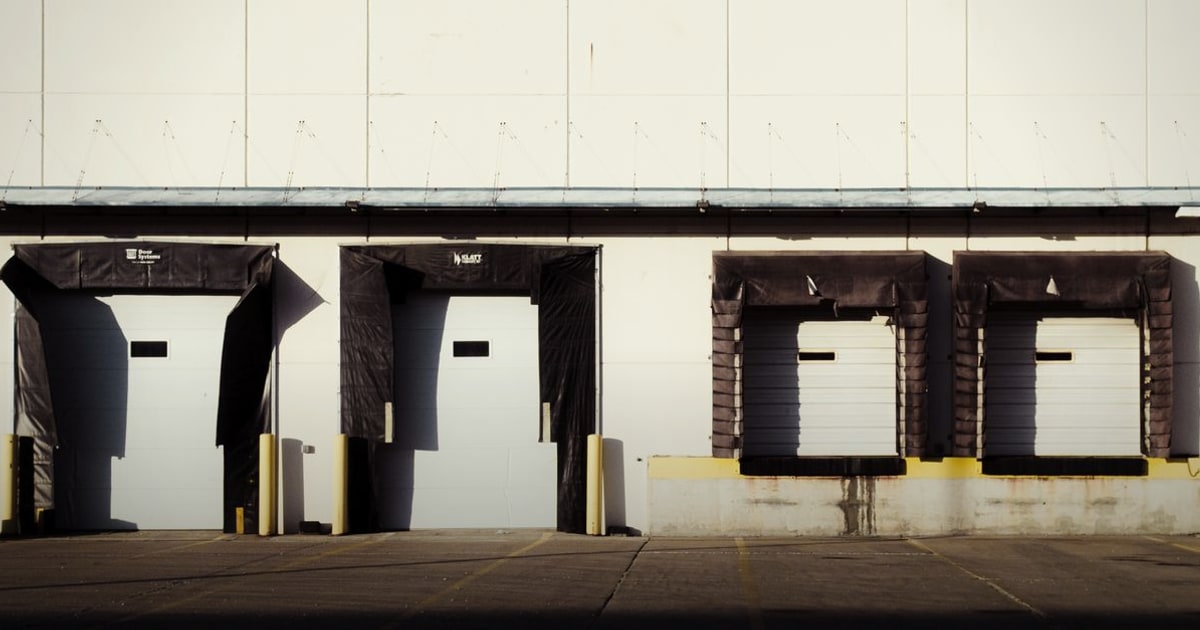
Mathias Reding / Unsplash
Retail giant Walmart is doubling down on its Southern California supply chain infrastructure, shelling out $223 million to acquire a massive temperature-controlled distribution center in Riverside. Through its real estate arm, Walmart Realty, the company purchased the 507,000-square-foot facility located at 1001 Columbia Ave., cementing its operational footprint in the Inland Empire logistics market.
According to Connect CRE, the retailer has actually occupied the industrial asset since 2010 under a lease agreement. By transitioning from a tenant to an owner-operator, Walmart is locking down a critical node in its grocery distribution network. The property will continue to serve as a dedicated cold storage and temperature-controlled distribution hub moving forward.
Key Details
The $223 million purchase price breaks down to approximately $439 per square foot for the nearly 12-acre industrial asset. JLL brokers Scott Coyle, Peter McWilliams, and Tim O’Rourke advised Walmart in the acquisition, with internal oversight provided by Jomar Benoit, Walmart’s senior manager of industrial real estate. The specifics of the seller were not immediately disclosed, though the transaction marks a permanent shift in ownership for a property that has functioned as a distribution hub for the retailer for well over a decade. The continuous operation of the facility highlights the core function this specific location plays in Walmart's broader logistical framework.
Market Context
This transaction highlights a broader trend of major retailers shifting capital toward outright ownership of critical supply chain infrastructure rather than relying solely on leased spaces. For the Inland Empire industrial market, a $439 per square foot sale for a cold storage facility underscores the premium pricing commanded by specialized, fully built-out logistics assets. Cold storage has consistently traded at a premium compared to standard dry warehousing due to the immense capital required to build or retrofit facilities with advanced refrigeration technology and frozen processing areas.
Furthermore, the Inland Empire remains a fiercely competitive logistics corridor with historically low vacancy rates, even as the broader national industrial market begins to stabilize from the record-setting pace of 2021 and 2022. The scarcity of available land and the high barriers to entry for developing new cold-storage facilities make existing, occupied assets like the Columbia Avenue site highly coveted. As grocery e-commerce continues to expand and consumer demand for fresh goods rises, securing temperature-controlled real estate has become a primary strategic objective for national grocery and general merchandise retailers alike.
Stay Ahead of the Market
Get breaking CRE news, market reports, and analysis delivered to your inbox every morning.