Saks Secures Landlord Accord and Creditor Support, Paving Path Out of Bankruptcy
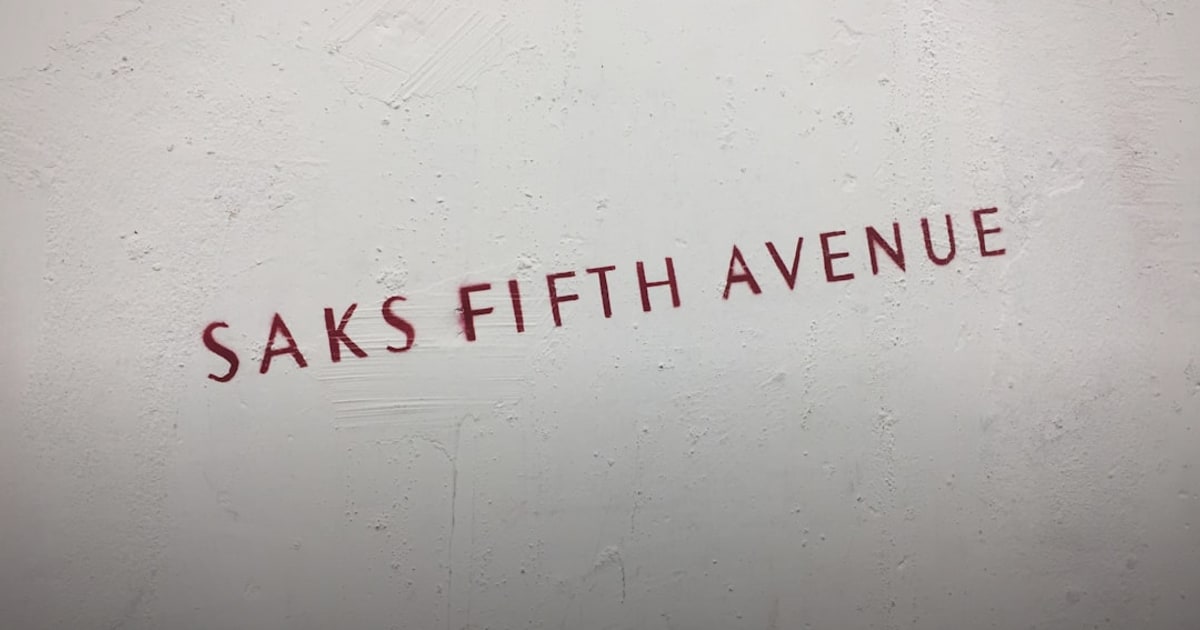
Mark von Werder / Unsplash
Iconic luxury department store chain Saks Global Enterprises is rapidly approaching the finish line of its financial restructuring after successfully negotiating a truce with its largest landlord and securing vital support from key creditors. The dual agreements effectively clear the primary hurdles standing in the way of the retailer's exit from Chapter 11 bankruptcy proceedings.
The retailer, which initiated its restructuring efforts earlier this year to manage a mountain of debt and operational headwinds, managed to bridge the gap between its need for lease flexibility and landlord demands. According to Bisnow, the settlement resolves a months-long legal skirmish with Simon Property Group, the nation's largest mall operator, while a parallel deal with creditors maps out a concrete path for the company to emerge from court protection on firmer financial ground.
Key Details
The centerpiece of this week's developments is the comprehensive settlement between Saks and Indianapolis-based Simon Property Group. Prior to this accord, the two entities were embroiled in litigation concerning lease obligations and rent payments across Simon's extensive retail portfolio. The new agreement stabilizes Saks' physical footprint, securing the retailer's presence in Simon's Class A malls while providing the tenant with the lease restructuring required to survive a challenging retail environment.
Concurrently, Saks reached a consensus with its creditor committee. This agreement outlines the financial mechanics of the bankruptcy exit, detailing how the company's debt will be equitized or restructured. While specific dollar figures regarding lease concessions and debt reductions remain under court wraps pending final approval, the consensus effectively turns former adversaries into stakeholders aligned with Saks' long-term viability. The retailer expects to formally emerge from bankruptcy in the coming weeks, pending a final green light from the federal judge overseeing the case.
Market Context
For commercial real estate professionals, the resolution of this dispute highlights a broader shift in landlord-tenant dynamics within the luxury retail sector. Throughout the pandemic and subsequent inflationary periods, landlords like Simon Property Group adopted a notoriously strict stance on rent collections, often forcing smaller or over-leveraged tenants into liquidation. However, the Saks settlement illustrates a pragmatic pivot for major operators dealing with irreplaceable anchor tenants.
Department stores like Saks remain essential traffic drivers for Class A malls, serving as the foundational anchors that sustain foot traffic for smaller inline retailers and dining establishments. Losing a brand of Saks' caliber can trigger co-tenancy clauses across a portfolio, devaluing the underlying commercial real estate. By negotiating lease modifications rather than forcing closures, Simon is prioritizing long-term asset preservation over short-term rent maximization.
This dynamic mirrors recent restructurings seen across the retail landscape, where landlords are increasingly swapping rigid leases for percentage-rent models or providing tenant improvement allowances to keep vital physical doors open. For the broader CRE market, Saks' successful emergence from bankruptcy will temporarily freeze the speculative placement of millions of square feet of luxury anchor space, stabilizing valuations for high-end retail assets in primary urban centers and dominant suburban malls. As capital markets remain tight, these out-of-court and pre-packaged resolutions are proving essential for maintaining the operational status quo of legacy retail destinations.
Stay Ahead of the Market
Get breaking CRE news, market reports, and analysis delivered to your inbox every morning.