Self Storage Rent Growth Stalls Amid Surging Supply Pipeline, Yardi Data Shows
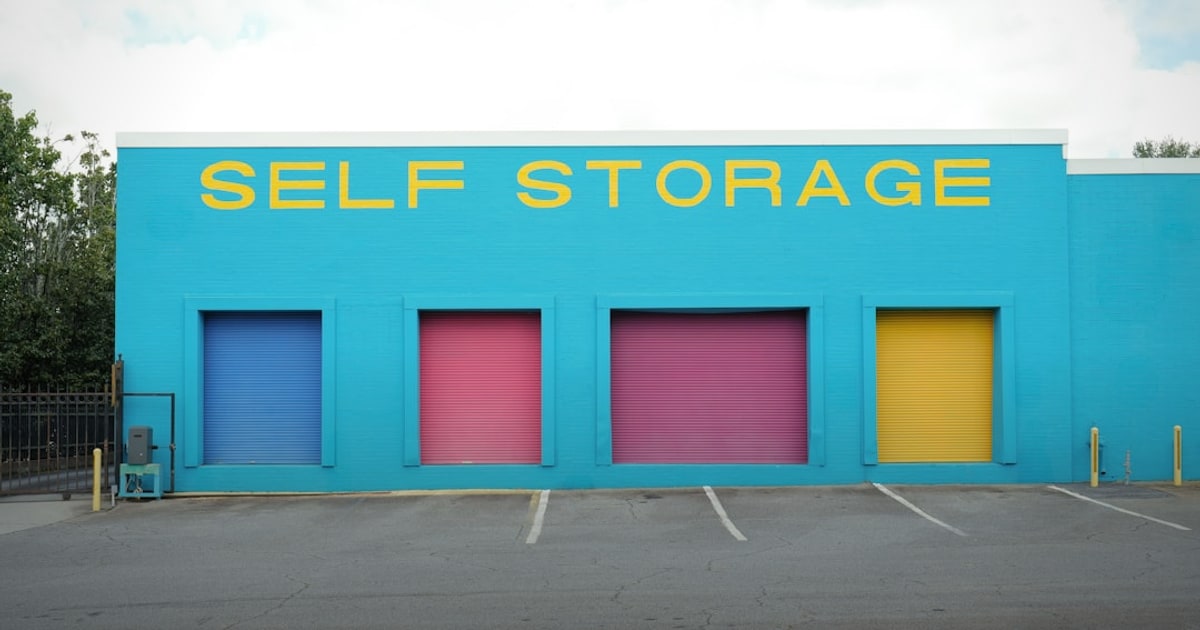
zash_ capturing___ / Unsplash
National self storage asking rents fell 2% in March 2026, nearly doubling the 1.2% decline recorded in February and sharply accelerating from the 0.4% dip observed at the start of the year. The persistent downward trajectory in pricing power highlights a worsening imbalance between tepid consumer demand and an unprecedented wave of new supply reaching completion across the United States.
According to Yardi Matrix, the slowdown in rent growth is widespread, affecting virtually all major metropolitan statistical areas (MSAs) and spanning across all unit types, from climate-controlled interior spaces to standard drive-up units. This cross-market normalization suggests that the post-pandemic boom for the asset class has fully transitioned into a cyclical cool-down period, forcing operators to aggressively adjust advertised street rates to maintain occupancy levels.
Key Details
The newly released March 2026 data paints a clear picture of an asset class navigating a severe headwind. The national advertised rate decline of 2% represents the steepest year-over-year drop recorded in the past twelve months. The deterioration in pricing power has been progressive but swift, climbing from a modest 0.4% year-over-year decline in January, to a 1.2% drop in February, before breaking the 2% threshold in March.
This data specifically tracks advertised street rates for standard non-climate-controlled and climate-controlled units. The report explicitly ties this pricing pressure to two converging factors: subdued leasing velocity and an elevated volume of ongoing commercial development. Major Sunbelt and coastal metros that previously drove sector-wide revenue growth are now leading the downward correction as cranes remain active on the horizon.
Market Context
For commercial real estate investors and operators, the Yardi Matrix figures underscore a stark reversal of fortune for a sector once considered virtually recession-proof. During the pandemic, shifting demographics and remote work trends drove self storage occupancy to historic highs, allowing operators to push rents upward by double-digit percentages. However, the current 2% national decline indicates that developers overestimated the permanence of that demand surge, resulting in a supply pipeline that is now outpacing actual absorption by a wide margin.
This environment poses distinct challenges for underwriting and debt servicing. Properties financed over the past two years based on aggressive pro-forma rent bumps are now facing a reality of shrinking net operating income. To defend baseline occupancy, facility managers are being forced to offer deep concessions, such as months of free rent or heavily discounted introductory rates, which places further downward pressure on overall portfolio valuations.
Conversely, the current correction presents tactical opportunities for well-capitalized REITs and institutional buyers. As newly delivered lease-up properties struggle to stabilize and individual operators face financial distress, distressed asset sales and portfolio acquisitions are expected to increase. Industry insiders are closely watching development pipelines for a hard deceleration in new construction starts, which remains the only fundamental mechanism capable of restoring equilibrium to the self storage market in the near term.
Stay Ahead of the Market
Get breaking CRE news, market reports, and analysis delivered to your inbox every morning.