Senator Questions nominee's qualifications for intelligence post
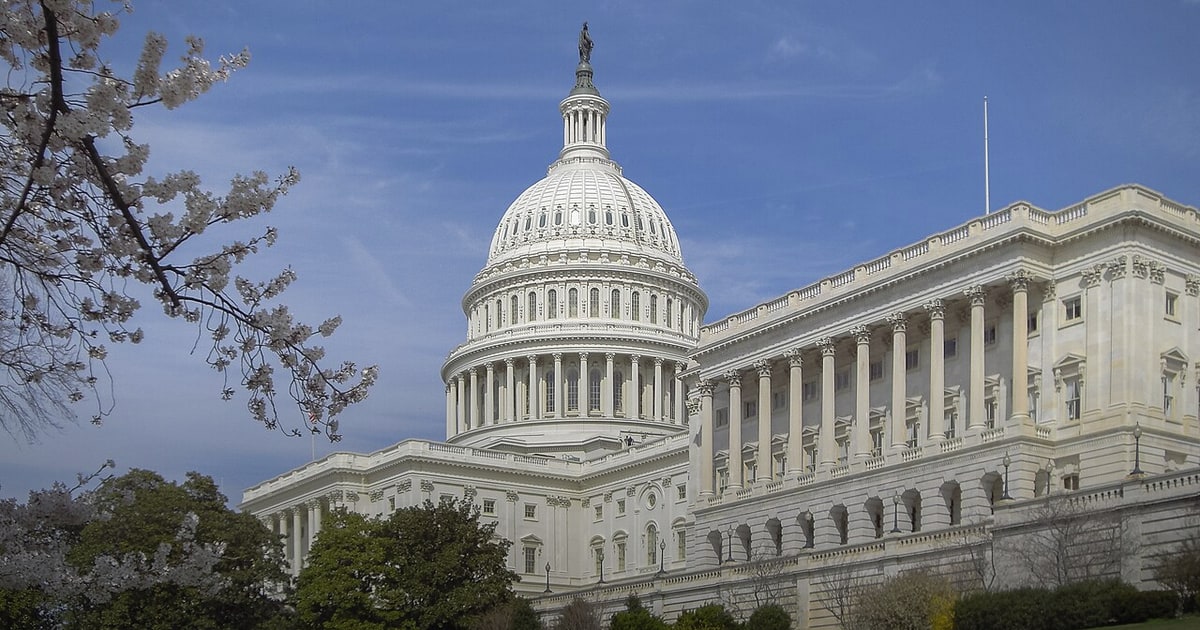
Diego Delso / CC BY-SA 3.0
Appointment Faces Scrutiny Over Qualifications
A high-stakes political battle is brewing over the nation's top intelligence post, with a leading senator publicly declaring the president's pick unfit for duty. Senator Bill Cassidy did not mince words when discussing the appointment, stating bluntly that the administration's choice lacks the competence required to lead the sprawling intelligence community.
According to CNBC, the criticism extends beyond the halls of Capitol Hill. Veterans of the intelligence community have raised alarms regarding the acting director's preparedness, warning that inexperience could jeopardize national security protocols. These insiders fear the acting DNI could use the powerful position to take aim at Trump's domestic foes rather than focus on neutral threat assessment.
Key Details
The controversy centers on the appointment of William Pulte to serve as acting Director of National Intelligence (DNI). Pulte has not been officially nominated for the post and can serve for a limited time as acting DNI unapproved by the Senate.
Senator Cassidy made his remarks at CNBC's CEO Council Summit, directly challenging the administration's judgment. "Nothing here suggests he's competent in the job for which he's been appointed," Cassidy stated, a rare public rebuke from a member of the president's own party.
Intelligence veterans have echoed these sentiments. In a series of interviews, they warned that Pulte lacks a background in intelligence gathering or analysis. Furthermore, there are concerns regarding his loyalty to the president and the potential politicization of a role that requires strict neutrality.
Market Context
From a commercial real estate perspective, the stability of intelligence agencies is a vital concern. The intelligence community occupies millions of square feet of classified and unclassified office space, data centers, and specialized facilities across the country, particularly concentrated in the Washington D.C. metropolitan area.
Uncertainty at the top of the intelligence hierarchy can lead to delays in budget approvals, contract renewals, and the approval of new development projects. Government contractors operating in the region often hold leases that are contingent on continued funding and program stability. If a new DNI faces a protracted confirmation battle or if there is a rapid turnover in leadership, it could impact leasing velocity in the Northern Virginia and Maryland submarkets.
Furthermore, a DNI perceived as politicizing intelligence could face resistance from career officials, leading to institutional gridlock. This environment can stall strategic real estate decisions, such as consolidating agencies into newer, more efficient buildings or expanding cyber operations centers. For landlords and developers holding assets near Fort Meade or in the Dulles Corridor, leadership continuity is a key factor in forecasting occupancy rates and rental growth.
Stay Ahead of the Market
Get breaking CRE news, market reports, and analysis delivered to your inbox every morning.