Tax Incentives Fuel Revival Wave in Reading, PA's Commercial Corridors
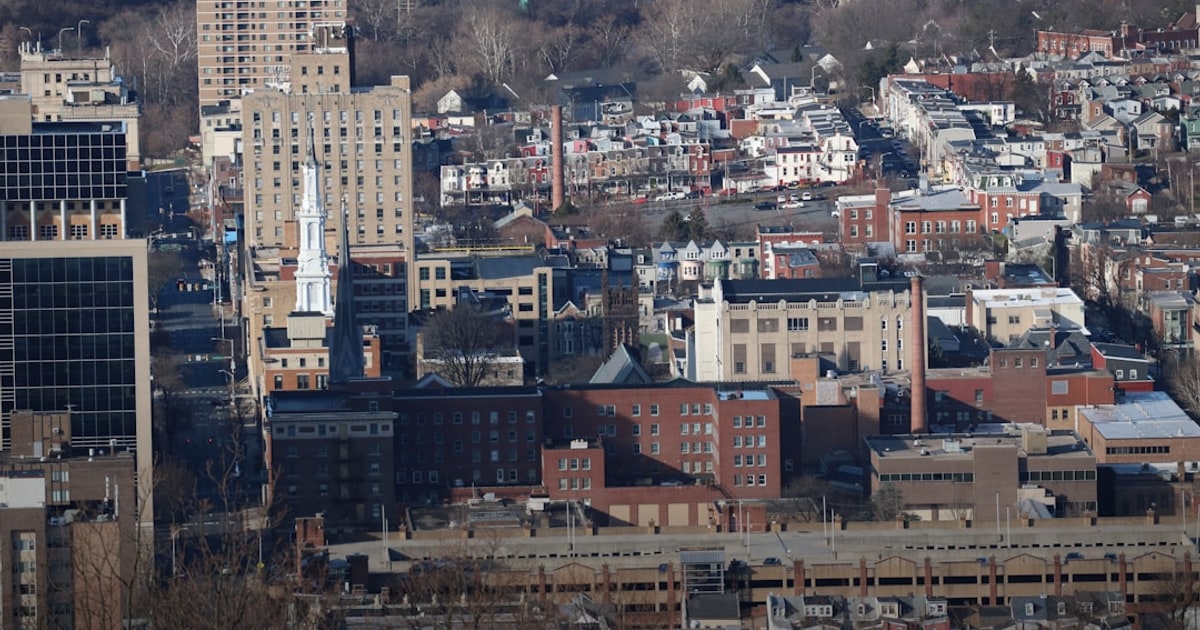
Matt Mech / Unsplash
Eastern Pennsylvania's mid-sized rust belt cities have been catching the attention of commercial real estate investors for years. Now, with places like Bethlehem and Allentown well into their revitalization cycles, developers and municipal leaders are pointing to Reading as the region's next major turnaround story. The catalyst? A combination of state-sponsored tax incentives and a growing appetite for risk among builders looking for high-yield opportunities outside saturated coastal markets.
Decades after the collapse of its manufacturing and banking sectors in the 1980s left Reading grappling with high poverty rates and population decline, the city is leveraging powerful economic tools—namely the City Revitalization and Improvement Zone (CRIZ) and Local Economic Revitalization Tax Assistance (LERTA) programs. These mechanisms allow developers to offset construction costs through tax abatements, making otherwise marginal pro formas viable in a market where rents have historically lagged.
Key Details
According to Bisnow, developers are actively pursuing mixed-use projects across Reading's downtown core and adjacent neighborhoods. The CRIZ program, previously implemented in Lancaster and Bethlehem, permits certain state and local tax revenues generated within designated boundaries to be reinvested into debt service for new construction and major renovations.
Properties within the CRIZ footprint—covering up to 130 acres of downtown—are eligible for these benefits. Current projects in the pipeline include multifamily residential conversions of vacant commercial buildings, ground-floor retail build-outs, and new-construction apartments targeting renters priced out of costlier markets like Philadelphia and New York. Specific financial terms vary by project, but the tax incentives can cover substantial portions of development costs over multi-year periods, dramatically improving cash-on-cash returns for early entrants.
City officials have also streamlined permitting processes for projects within designated opportunity zones, reducing timelines that have previously deterred out-of-town capital.
Market Context
Reading's nascent recovery mirrors patterns seen across the Lehigh Valley and broader Pennsylvania Rust Belt corridor. The CRIZ structure has already demonstrated results in Lancaster and Bethlehem, and Reading's version offers a comparable structural advantage—at a dramatically lower cost basis for developers entering today.
For CRE professionals, the implications are clear: Reading represents one of the last genuinely affordable entry points in the Eastern Seaboard's mid-Atlantic corridor, with room for both stabilized cash flow and long-term appreciation as the market matures.
However, risks remain. Reading's poverty rate, while improving, still ranks among the highest for Pennsylvania cities its size. Retail demand depends heavily on drawing regional traffic and convincing suburban residents to revisit downtown—a challenge that requires not just new construction but sustained programming, safety investments, and tenant curation.
Still, the convergence of state incentives, improving demographics, and developer momentum suggests Reading's multi-decade slump may finally be reversing. For investors willing to underwrite early-stage urban recovery, the math is increasingly difficult to ignore.
Stay Ahead of the Market
Get breaking CRE news, market reports, and analysis delivered to your inbox every morning.


