The Business of Comebacks: How NYC's Sports Culture Shapes Commercial Real Estate
Lwowskafala / CC BY 4.0
On a Wednesday evening that will be etched into New York City's collective memory, Madison Square Garden became the epicenter of one of the most improbable comebacks in recent NBA history. Down 29 points to the San Antonio Spurs, the Knicks orchestrated a reversal so dramatic that even courtside fixture Larry David was ready to abandon ship — only to witness a finish that kept an entire borough buzzing deep into the night.
Key Details
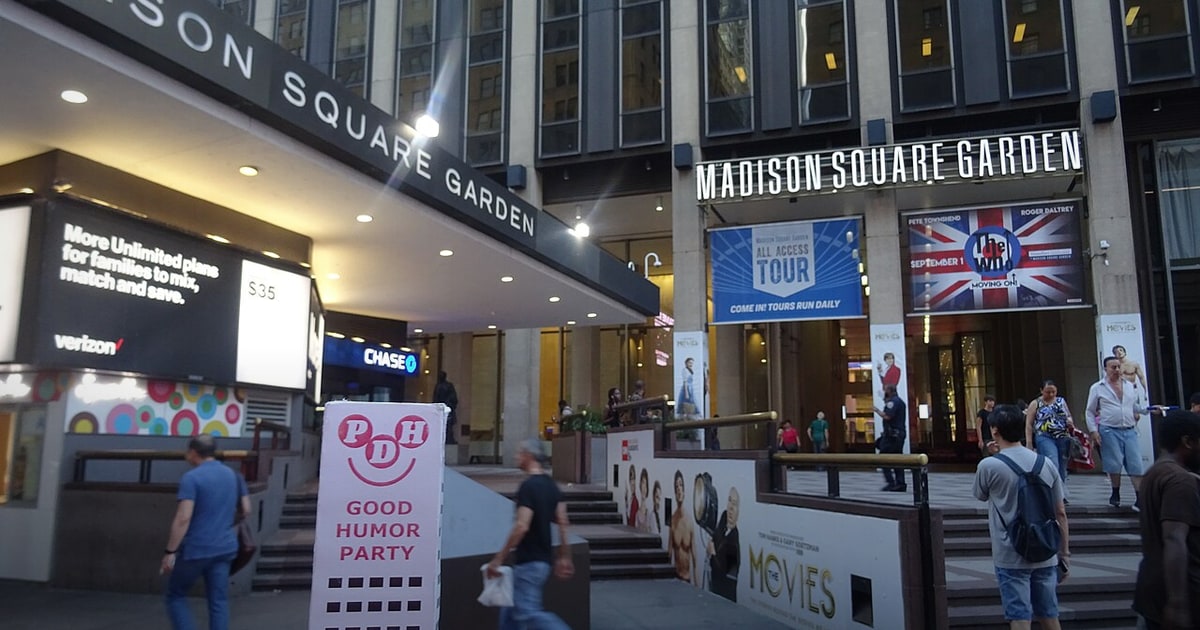
The game itself, held at Madison Square Garden — owned by Madison Square Garden Entertainment Corp. — delivered a jolt of energy to Midtown Manhattan's hospitality and retail corridors. According to Commercial Observer, the atmosphere inside the venue reached a fever pitch as the Knicks clawed back from a deficit that had spectators like John McEnroe and Larry David contemplating early exits.
Madison Square Garden, situated between 31st and 33rd Streets on Seventh Avenue, sits atop Penn Station and functions as a linchpin for surrounding commercial activity. On nights like this past Wednesday, foot traffic surges translate directly into revenue spikes for hospitality operators within a half-mile radius.
Market Context
For CRE professionals monitoring the Midtown South submarket, high-profile events at marquee venues remain a critical demand driver. The area surrounding MSG — encompassing parts of Hudson Yards, Chelsea, and NoMad — has seen office vacancy remain elevated, while street-level retail in the corridor has shown resilience.
The connection between sports-driven foot traffic and commercial performance is well-documented. For landlords and brokers representing retail tenants near MSG, these moments underscore the enduring value of proximity to flagship entertainment infrastructure.
Beyond immediate hospitality gains, the cultural resonance of a Knicks comeback feeds into broader narrative about New York's post-pandemic recovery. Investor sentiment tied to the city's vibrancy — often reflected in trophy asset pricing — tends to track closely with perceptions of urban vitality. The MSG submarket has already attracted institutional capital, with mixed-use development activity continuing in the surrounding blocks.
The psychology matters too. When a 29-point deficit transforms into a victory, it reinforces a narrative of resilience that parallels the commercial real estate sector's own comeback story. Brokers working leasing deals in Midtown have noted that client enthusiasm for New York tends to peak alongside these cultural moments — the kind that fill arenas, populate bars, and remind everyone that density still carries economic gravity.
For professionals underwriting retail or hospitality assets near major arenas, the takeaway is quantifiable: event-driven volatility cuts both ways, but the upside ceilings remain extraordinary.
Stay Ahead of the Market
Get breaking CRE news, market reports, and analysis delivered to your inbox every morning.