Peachtree Group Provides $43.5M Bridge Loan for Panama City Beach Multifamily Buildout
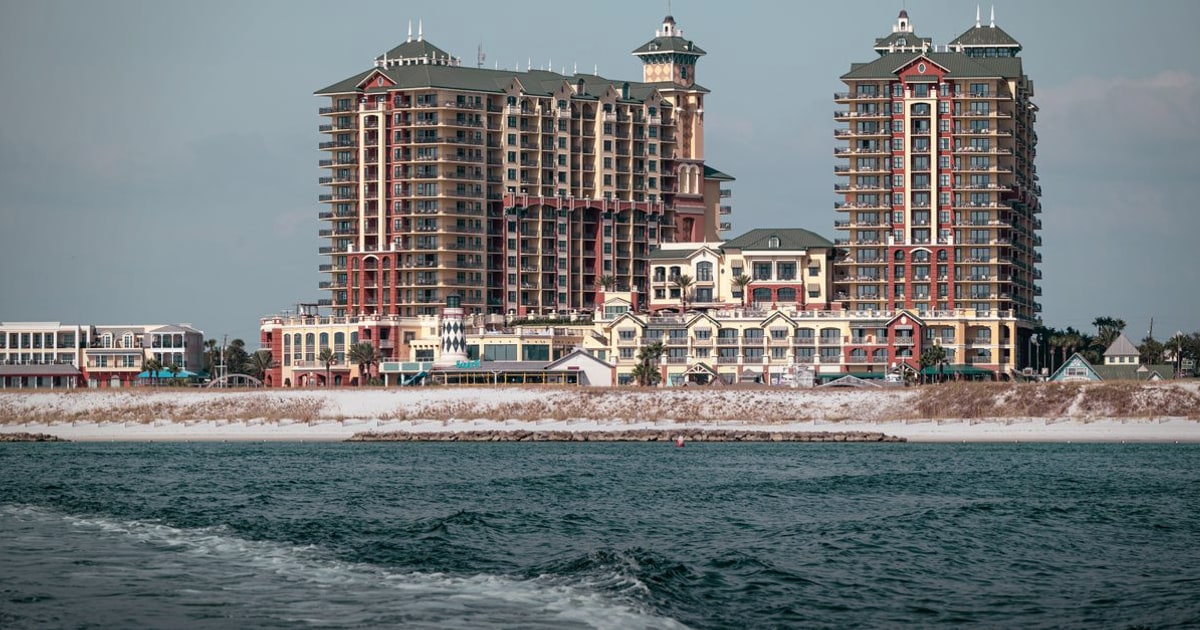
Chris F / Pexels
Peachtree Group has originated a $43.5 million bridge loan to finance the final construction and lease-up phase of a multifamily community in the Florida Panhandle, According to Commercial Observer.
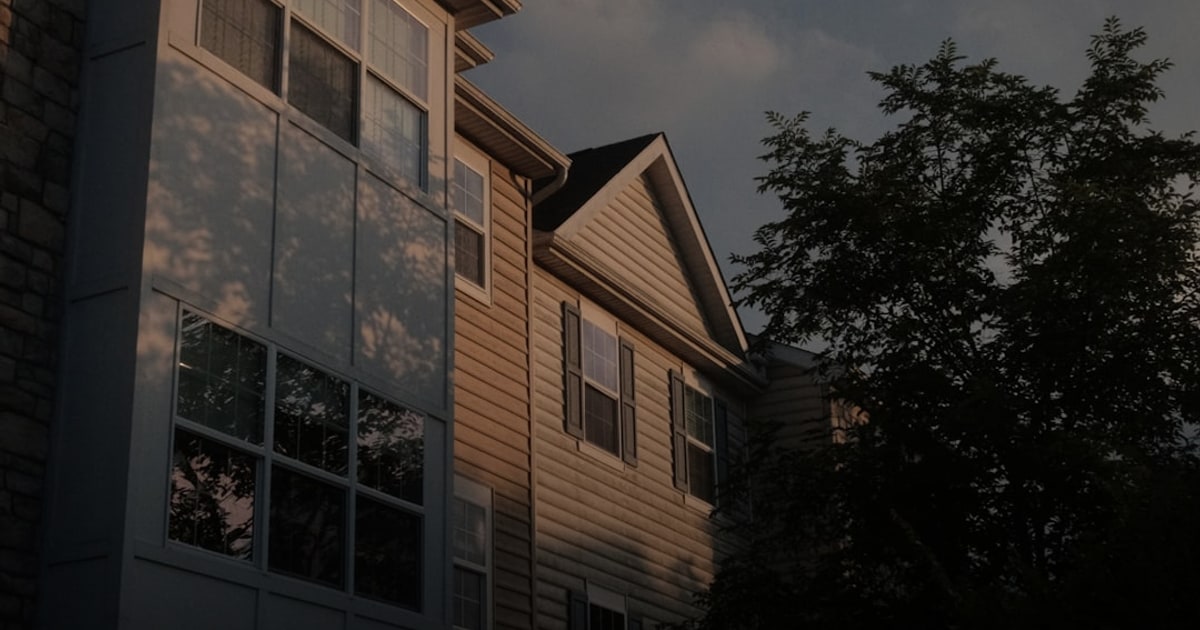
The financing backs the Seahaven Apartments project in Panama City Beach, Fla., a 230-unit rental community being developed by Arris Holdings. The development is approximately 90 percent complete.
Key Details
- Borrower: Arris Holdings secured the bridge debt for project completion and lease-up.
- Lender: Peachtree Group originated the financing.
- Loan Terms: A two-year bridge loan with a one-year extension option.
- Broker: Walker & Dunlop negotiated the debt, with a team led by Alfie Means and Zach Whorton.
- Property: Seahaven Apartments, located at 201 Hills Road — 110 miles west of Tallahassee. The 230-unit community spans five buildings.
- Amenities: Planned features include an outdoor pool, clubhouse, yoga studio, cabanas, grilling areas, and a dog park.
- Timeline: The project is roughly 90 percent complete, entering its final phase.
Why It Matters
The loan highlights continued lender confidence in select Southeastern U.S. multifamily markets, even amid broader construction cost pressures. Taylor Pike, senior vice president at Peachtree, emphasized that Seahaven will benefit from strong demand drivers, noting it is one of only two multifamily communities in the Panama City market offering direct beach access.
Nearby employment anchors include a planned Florida State University Health hospital campus and Tyndall Air Force Base. Pike also pointed to broader demographic tailwinds across the Southeast, referencing sharp population growth and constrained new supply. Over the past year, the Panama City market absorbed roughly 660 units with declining vacancy rates, and Pike indicated no major multifamily projects are expected to deliver over the next two years.
That supply-demand imbalance is amplified by elevated construction costs that make new development financially challenging. “Renters like newer product, and there's not going to be really that new competition for the foreseeable future just given how expensive it is to build now,” Pike told Commercial Observer. “It is hard to project rental rates that are going to make it make sense, just given all the elevated costs.”
For commercial real estate professionals, the deal illustrates how private debt providers are targeting well-located, late-stage projects in secondary coastal markets where supply pipelines are thin. As high construction costs continue to deter new multifamily starts, existing developments nearing completion — particularly those with differentiated amenities like beach access — may attract outsized financing attention.
Related coverage: Brook Farm Group and Manor Park Ventures Partner on 336-Unit Savannah Apartment Project · Joint Venture Plans Georgetown's Largest Apartment Project in Over 100 Years · How One PropTech Unicorn Is Coaching Landlords to Trim Headcounts Through AI
Stay Ahead of the Market
Get breaking CRE news, market reports, and analysis delivered to your inbox every morning.