States Challenge DEI Executive Order With sweeping Lawsuit Hitting GSA Leases And Federal Contracts
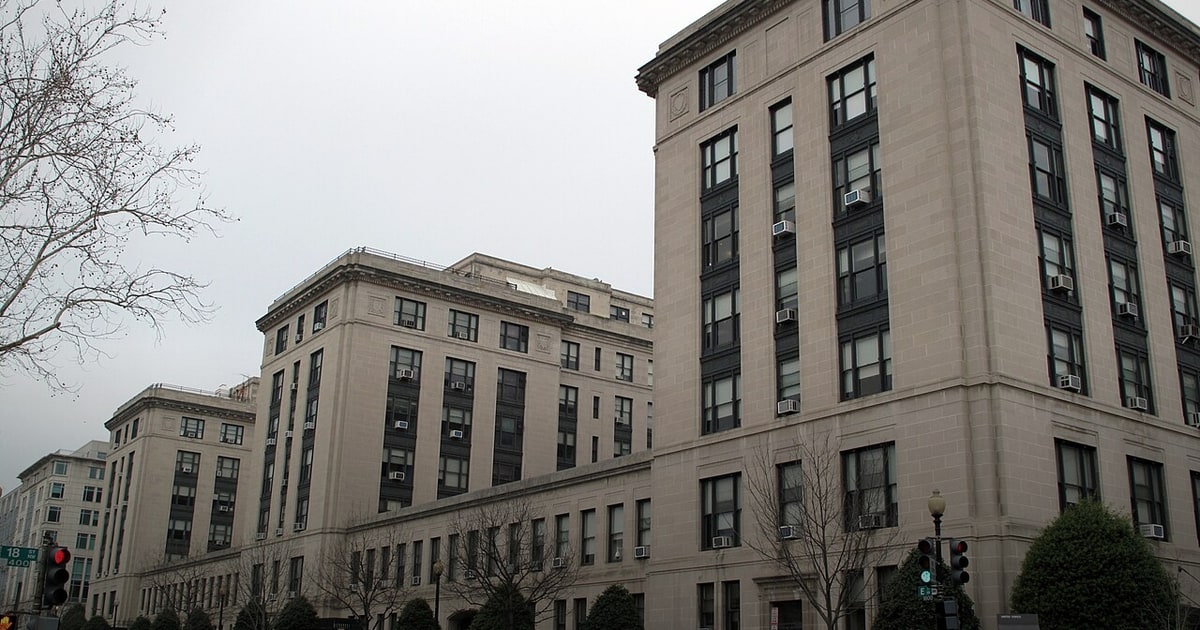
General Services Administration / Public domain
According to Bisnow National, attorneys general from 19 states and the District of Columbia are suing to block a Trump administration executive order that imposes sweeping new DEI-related requirements on federal contractors, including anyone holding construction or leasing agreements with the General Services Administration.
The complaint, filed June 10 in Maryland District Court, names 57 defendants including the United States, 20 cabinet members or agency heads, 20 agencies, and the Federal Acquisition Regulation Council. The states are seeking to have the executive order declared unlawful and are requesting injunctions to stop federal agencies from enforcing its terms.
Key Details
President Donald Trump signed the executive order, titled Addressing DEI Discrimination by Federal Contractors, on March 26. It directed federal agencies to incorporate specific language into contracts within 30 days, requiring that contractors "will not engage in any racially discriminatory DEI activities." The rules govern all entities signing contracts with the federal government, encompassing construction projects and all GSA leases — both new and existing.
The suit argues the administration failed to follow required federal rulemaking procedures, including a mandatory public comment and review period, and claims the regulations are unconstitutionally vague. The states contend it remains unclear whether routine activities — such as recruiting at a historically Black college or attending a job fair in a predominantly white rural area — would constitute a violation.
The executive order also mandates that contractors make internal records available to federal regulators for compliance verification, a requirement the AGs characterize as a significant bureaucratic burden.
The law firm Holland & Knight published an analysis noting that the April 2026 revision to GSA Form 3517B introduces substantial new compliance risks. Partner Gordon Griffin warned that violations could result in contract termination, False Claims Act liability, or exclusion from government leasing opportunities.
Why It Matters
For commercial real estate professionals, the litigation introduces significant uncertainty for any property owner or developer with GSA lease exposure. Given that the new requirements apply to existing leases and not just new ones, lessors face immediate compliance questions regardless of where they stand in their lease lifecycle.
Holland & Knight's guidance that lessors should "consider very carefully" before signing onto the new DEI obligations signals that the stakes extend well beyond routine contract administration. With penalties including potential default termination and exclusion from future federal leasing, the regulatory shift demands close attention from CRE firms with government tenants.
If the states succeed, the case is virtually certain to be appealed, meaning the final regulatory landscape may not be settled for some time. In the interim, contractors and lessors must navigate compliance requirements that the lawsuit itself describes as too vague to fairly enforce — a dynamic that typically drives up legal costs and slows decision-making across affected deals.
Related coverage: Navigating Complexity: King & Spalding's John Wilson on Mastering Intricate CRE Finance Deals · Law Firms Drive Millions of SF of Office Leasing in Early 2026, Bucking Sector-Wide Slump · This Week in Commercial Real Estate — July 3, 2026
Stay Ahead of the Market
Get breaking CRE news, market reports, and analysis delivered to your inbox every morning.