How a Five-Square-Mile City Became a Magnet for Multifamily Developers
Ken Lund from Reno, Nevada, USA / CC BY-SA 2.0
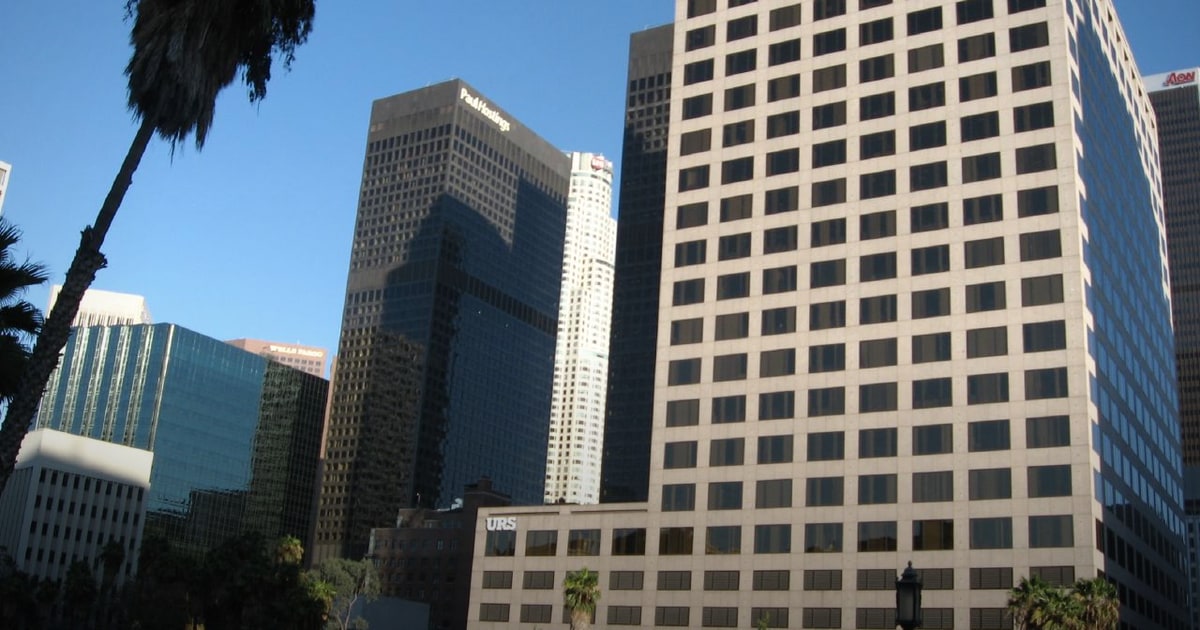
Major developers including Lendlease, Lincoln Property Company, and Hudson Pacific Properties are aggressively building apartments in Culver City, a municipality of just 40,000 residents spanning approximately five square miles in Los Angeles County. The city's current pipeline of just over 4,500 units could expand its population by as much as 20 percent.
According to Commercial Observer, Culver City has distinguished itself by embracing pro-growth housing policies and avoiding the regulatory stagnation that has plagued neighboring Los Angeles.
Key Details
- Developers Active: Lendlease, Lincoln Property Company, and Hudson Pacific Properties all have substantial multifamily projects in the city.
- Pipeline: Just over 4,500 units are in the pipeline, potentially adding 20 percent to the city's population.
- Corporate Tenants: Sony Pictures Studios, Amazon Studios, Apple, TikTok, and Chinese toymaker Pop Mart have established a presence in the city.
- Zoning Changes: The 2024 General Plan and Housing Element expanded the share of the city zoned for residential construction from 50 percent to 80 percent.
- Policy Moves: Culver City legalized micro-unit apartments in 2020 and in 2022 became the first city in L.A. County to abolish parking minimums.
- Transit: The 2016 extension of the Expo Line connected the city to regional transit, boosting its appeal as an office and residential destination.
Why It Matters
Culver City's approach offers a case study in how smaller municipalities can leverage favorable zoning, transit infrastructure, and corporate attraction to become significant multifamily markets. The city is exceeding its state-mandated Regional Housing Needs Allocation (RHNA) goals for market-rate housing—a contrast to larger cities that have resisted upzoning.
"Culver City didn't just put together something to make the state happy. They put together a plan that they wanted to actually implement, and that's very rare," said Spencer Kallick, a land use attorney and partner at Allen Matkins.
Taylor Avakian, a multifamily broker and founder of the Group CRE, noted that Culver City stands out as the only L.A. submarket where technology, media and entertainment, and institutional capital converge simultaneously.
Vice Mayor Bryan "Bubba" Fish attributed the pro-housing shift to a change in the election calendar that increased voter turnout, producing a City Council majority aligned on housing development. "We could have said no to housing," Fish said. "We could have skirted around it like so many other cities did."
For commercial real estate professionals, Culver City demonstrates that aggressive zoning reform and business-friendly policy can transform a historically quiet suburb into a magnet for institutional development capital.
Related coverage: Peachtree Group Provides $43.5M Bridge Loan for Panama City Beach Multifamily Buildout · Joint Venture Plans Georgetown's Largest Apartment Project in Over 100 Years · How One PropTech Unicorn Is Coaching Landlords to Trim Headcounts Through AI
Stay Ahead of the Market
Get breaking CRE news, market reports, and analysis delivered to your inbox every morning.