Sky-High Construction Costs and Red Tape Threaten Brooklyn's Development Momentum
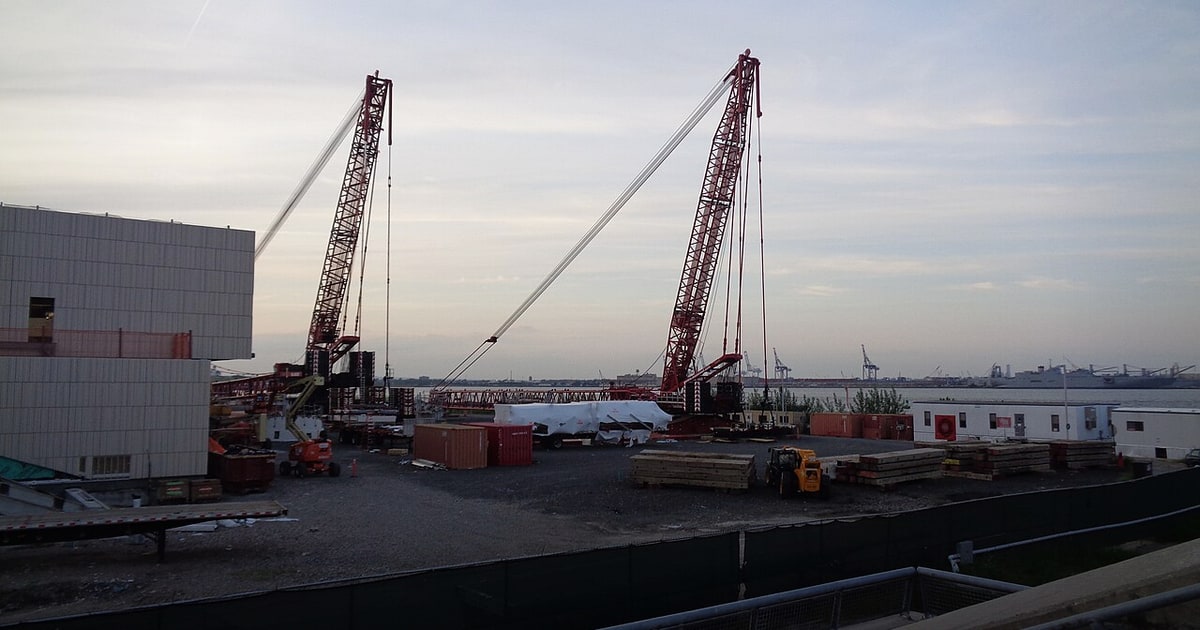
Tdorante10 / CC BY-SA 4.0
Brooklyn’s sustained status as a global magnet for creative and technology tenants is colliding with a harsh commercial reality: the borough's development pipeline is choking under the weight of staggering construction expenses and stringent regulatory frameworks. At a major industry gathering held this week at the 25 Kent office complex in Williamsburg, top real estate executives painted a sobering picture of a market where user demand heavily outpaces the industry's capacity to build.
According to Commercial Observer, panelists at the 2026 Brooklyn Forum detailed a growing paradox within the borough's economy. While the cultural cachet of neighborhoods from Downtown Brooklyn to Bushwick continues to attract top-tier commercial tenants and luxury retailers, the actual mechanics of delivering new space have become financially paralyzing. This friction is forcing developers to rethink project feasibility, often delaying or outright canceling proposed commercial and residential ventures that would otherwise capitalize on the area's immense popularity.
Key Details
- Event & Location: The 2026 Brooklyn Forum, hosted at the 25 Kent Avenue commercial campus in the heart of Williamsburg.
- Core Stakeholders: Prominent developers, commercial landlords, institutional investors, and local policy advocates operating within the Brooklyn submarket.
- Economic Hurdles: Panelists highlighted that soaring construction costs in the outer boroughs are making ground-up development without massive rent premiums mathematically unworkable.
- Regulatory Roadblocks: Discussions frequently circled back to the 485x tax incentive program, local zoning bottlenecks, and lengthy environmental review processes — the Gowanus rezoning, for instance, took approximately 15 years — before a shovel ever hits the dirt.
Market Context
For commercial real estate professionals, the overarching sentiment at the forum signals a looming supply constraint as the inability of developers to viably deliver new speculative inventory cements a structural disadvantage for the borough. For retail operators and enterprise-level tenants seeking the localized appeal that Brooklyn provides, securing high-quality space is becoming increasingly competitive. Until municipal policies adapt to bridge the gap between development costs and achievable rents, Brooklyn's commercial growth will remain a tug-of-war between its undeniable cultural demand and its concrete economic barriers.
Stay Ahead of the Market
Get breaking CRE news, market reports, and analysis delivered to your inbox every morning.