Value-Add Hotel Deals Need an Execution-Capacity Test

Contributed perspective
Commercial real estate investors like the phrase 'value-add.' Hotel operators hear the same phrase and start thinking about guestrooms out of order, a director of sales rebuilding the base, an engineering team juggling old equipment with new construction, a general manager trying to hire three positions and a front desk explaining to guests why half the lobby is behind a temporary wall.
A hotel can have an attractive basis, a credible renovation plan and a sensible market thesis and still disappoint if the business is asked to execute too many major changes at the same time. In hospitality, execution capacity belongs in underwriting because the real estate and the operating company are effectively sharing the same bloodstream.
That matters in a market where capital is looking again at hotels, but selectively. JLL's 2026 global outlook points to improving hotel investment momentum and stronger debt markets, while CBRE's midyear outlook describes uneven U.S. hotel performance across segments. In my view, that makes operational discipline more important. More capital interest does not make execution risk disappear.
The question is not only whether the value-add plan works on paper. It is whether this hotel can execute that many changes without breaking the business that has to fund them.
On paper, everything happens at once
Acquisition models are very good at placing initiatives in adjacent rows. Renovate guestrooms. Reflag the hotel. Replace management. Rebuild sales. Improve digital marketing. Change the revenue strategy. Add a food-and-beverage concept. Upgrade technology. Reset labor. Grow rate.
In a spreadsheet, those moves can begin in the same quarter. At the hotel, they compete for the same leaders, the same meeting calendar, the same cash and often the same physical space.
A general manager can absolutely lead a renovation while running the property. A sales team can rebuild demand while meeting space is under construction. A revenue strategy can be reset during a management transition. I have seen all of those things work. I have also seen good plans fail because ownership treated management bandwidth as an unlimited resource.
The tell is usually not one catastrophic mistake. It is a growing pile of small misses: decisions delayed, punch-list items aging, sales calls postponed, new systems half implemented, open positions staying open, guest issues taking longer to resolve and the leadership team spending more time in project meetings than operating the hotel.
Execution capacity should be a line in the investment case
A value-add hotel underwriting should identify which initiatives are genuinely simultaneous and which are sequential. That sounds basic, but it changes the model.
If guestrooms are coming out of service, what happens to occupancy capacity and group blocks? If a reflag requires a system conversion, when does training occur relative to construction? If the sales team is being rebuilt, who protects the existing accounts while the new strategy is being installed? If management is changing, which operating practices should be stabilized before ownership starts redesigning every department?
Those are not soft questions. They affect cash flow, timing and the probability that the forecasted upside shows up when the model says it will.
I would rather see an underwriting case that delays one improvement by a quarter and gives the hotel enough capacity to execute it well than a heroic schedule that assumes every initiative lands perfectly.
Build a transition critical path, not just a construction schedule
Construction schedules are necessary, but they are not the same thing as a hotel transition plan. The operating critical path should cover at least five workstreams: people, physical product, commercial strategy, systems and brand/franchise requirements.
Start with people. Which leaders are staying, which roles are open, and where does the property lack depth? The answer may determine how much change the organization can absorb in the first 90 days.
Then map the physical project against the revenue calendar. A 60-room renovation can look manageable in aggregate and become painful if the room blocks collide with the market's best compression dates. Meeting-space work should be mapped against group pace and booked events, not merely against contractor availability.
The commercial plan needs its own sequencing. Pricing changes, account renegotiations, direct-booking strategy, digital marketing and group sales are not switches. Some can start before the renovation; others depend on the product being ready. The model should know the difference.
Systems and brand work can be even less forgiving. Property-management, point-of-sale, revenue and distribution platforms require data, training and testing. Franchise conversions carry deadlines, standards and communications that can consume a leadership team quickly. Stack those events carelessly and the hotel can spend months operating in permanent transition.
Underwrite downtime and the shape of recovery
Many value-add models recognize renovation cost but understate the shape of operating disruption. That is different from simply reducing available rooms by a construction count.
Guests still arrive. Review scores can move. Housekeeping routes change. Engineering responds to both old-building failures and new-project issues. Group customers may hesitate to commit while public areas are incomplete. Managers spend time coordinating access, noise, deliveries and safety. Temporary operating arrangements usually cost more than permanent ones.
The recovery is also uneven. A refreshed hotel may regain transient rate before it rebuilds group base. A new flag may create distribution benefits while the team is still learning systems. A completed restaurant may take months to build local demand. Underwriting should reflect the actual ramp instead of assuming that the stabilized year begins the day construction ends.
Separate reversible moves from irreversible moves
Another useful discipline is to distinguish between changes that can be tested and changes that are difficult to unwind.
Revenue-management tactics, sales focus and some labor practices can be adjusted quickly. Demolition, brand conversion, major food-and-beverage reconfiguration and large technology commitments are harder to reverse. The less reversible the decision, the more evidence I want before it moves to the front of the schedule.
This is especially important when a buyer inherits incomplete information. The first weeks after closing often reveal things that did not fit neatly into diligence: stronger accounts than expected, weaker maintenance practices, a management star who should be retained, or a department that was being propped up by overtime. The operating plan should have enough flexibility to learn before it locks every answer into concrete.
Give the first 90 days its own underwriting case
Five-year models are useful. I would also give the first 90 days a page of their own.
That page should name the cash required to stabilize payroll and vendors, the leadership positions that must be filled, the physical failures that cannot wait for the renovation, the commercial accounts at risk, the system conversions on the calendar and the decisions that ownership is deliberately deferring.
Most important, it should identify who owns each decision. Value-add strategies become dangerous when every major initiative is labeled 'management' and no one has decided which human being actually has the bandwidth to deliver it.
Buy the execution plan, not just the upside
Hotels are attractive value-add assets precisely because operations can create value quickly. Rate, mix, service, sales, labor and physical product all move the economics. That operating leverage is an opportunity, but it cuts both ways.
A buyer should absolutely underwrite the upside. It should also underwrite the organization's ability to reach it.
Before approving a hotel value-add deal, I would ask one extra investment-committee question: if every initiative in this model is a good idea, which three have to happen first - and does the property have the people, time and cash to do those three exceptionally well?
Sources
About the author
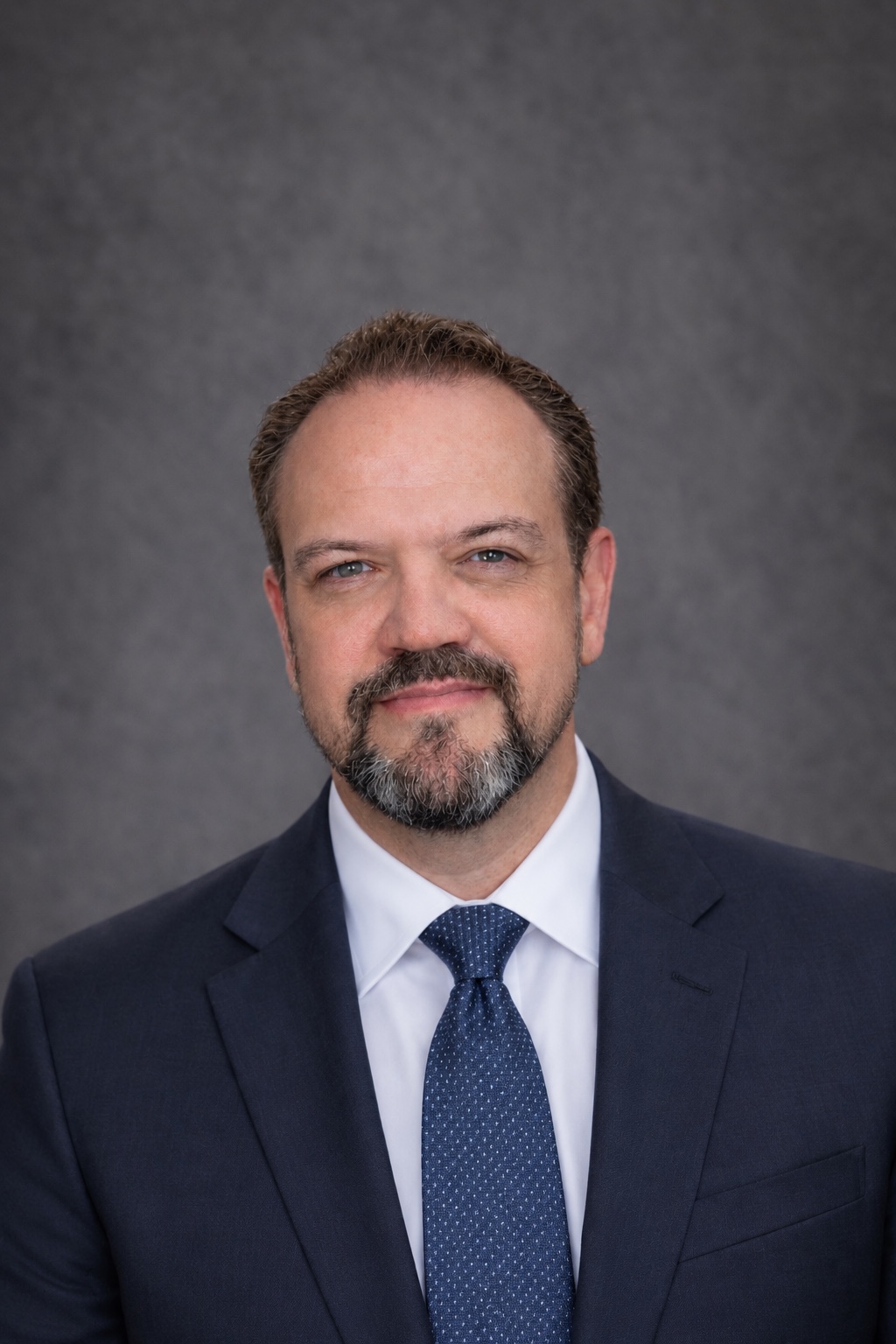
Marty McDaniel, CHA, is Chairman & CEO of The Northstar Companies and a second-generation hotelier with 38 years of experience across hotel and resort operations, development, renovations, turnarounds, multi-property leadership and owner/lender advisory. He has led 25+ renovations and 12 development projects. MartyMcDaniel.com
Free CRE News Briefing
Editor-curated commercial real estate stories, delivered to your inbox. Confirm your email to join.