What Belize Reveals About Resort Development in Small Coastal Markets
Sponsored perspective
By Will Mitchell, Regional Owner of RE/MAX Belize. CRE News Today waived the placement fee for this first collaboration.
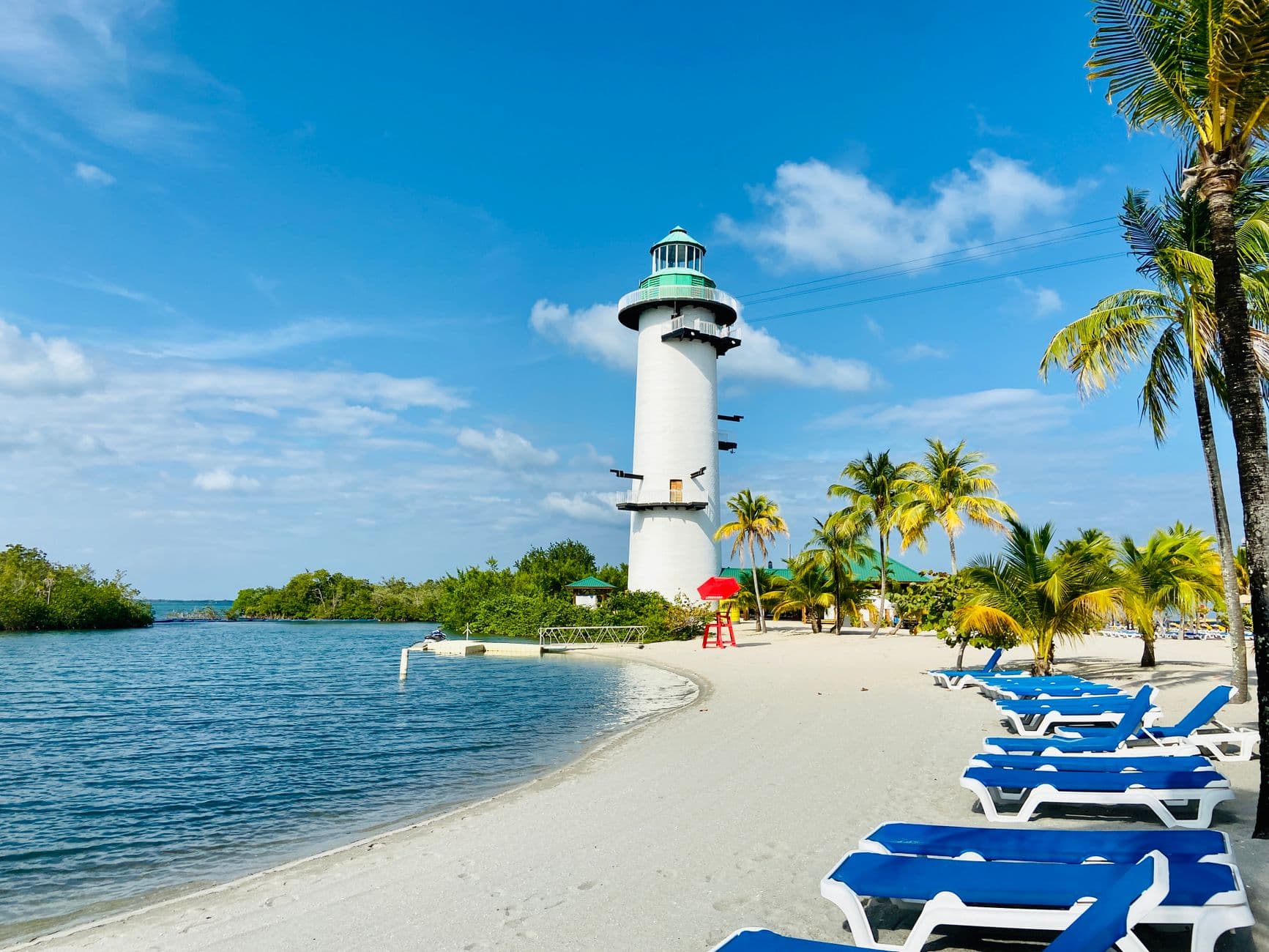
When people first talk to me about developing a resort in Belize, they usually begin with the site. I understand why. The water, the beach and the view are the things that make the opportunity feel immediate. They are also the easiest things to put into a rendering.
After nearly two decades working in Belize, I tend to look first at everything the rendering leaves out. How will guests arrive? Where will employees live? What happens when a pump or an air-conditioning unit fails? Is the proposed residence component suited to people who will actually spend part of the year there, or does it only make sense inside the sales presentation?
These are ordinary questions, but they become more important in a small coastal market because there is less room for a bad assumption to disappear inside the scale of the project. A large city can offer several suppliers, a deep labor pool and multiple ways to reach a property. In Belize, the answer may change from one district to the next, and sometimes from one side of an island to the other.
That does not make Belize a poor place to develop. It makes Belize a place that rewards specificity. The strongest projects are not simply attractive resorts placed in Belize. They feel as though they could only have been built where they are.
A resort belongs to a place
From abroad, Belize can look like one compact tourism market. On the ground, the differences are impossible to miss. Ambergris Caye has the energy and services of an established island destination. Placencia offers a long peninsula, road access and a closer overlap between holiday and residential life. Hopkins has its own pace and cultural setting. Inland Belize asks a different question of a resort again.
None of those markets is automatically better than another. They simply attract people for different reasons. A plan built around boating, restaurants and short stays may fit naturally in one place and feel strangely detached in another. A quieter property can be compelling, but only if the people behind it understand that privacy for a guest often means more work behind the scenes.
This is where broad tourism numbers can become a distraction. They may explain why a country deserves attention, but they do not explain why someone will choose one particular part of that country. The useful question is not whether people want to visit Belize. It is what they expect from this version of Belize, and whether the property can deliver it without pretending the location is something else.
The concept should follow that answer. Room mix, food and beverage, activities, transportation and pricing all make more sense once the likely guest is understood. Otherwise, developers can spend heavily creating amenities that look familiar on paper but add little to the reason people came.
The operating plan begins before opening day
A map can make a short distance look simple. In practice, that distance may include a local flight, a boat, an unpaved road or weather that changes the day's schedule. The journey may be part of the appeal for a guest. It is still the same route used by employees, food, linens, fuel, construction materials and replacement parts.
That is why access cannot be treated as a marketing question alone. It shapes the cost of building, the rhythm of deliveries and the amount of redundancy the property needs once it opens. If a site is remote, the operating model has to be designed for remoteness. There is nothing inherently wrong with that. Trouble begins when seclusion is sold as an experience but budgeted as though the resort were beside a major service center.
Construction often exposes the gap first. A material or system may be excellent, yet still be a poor choice if every repair depends on a specialist arriving from another country. Before specifying something unfamiliar, I want to know who can maintain it locally, how quickly parts can arrive and what the property will do in the meantime. Salt, heat, humidity and heavy rain are not background conditions. They are part of the maintenance schedule.
The same practical thinking applies to water, power, drainage, wastewater, communications and backup systems. It is easy to discuss each one separately during design. Guests experience them together. So does the operating budget. A system that performs comfortably during construction may face a very different test when every room is occupied, the kitchen is busy and the laundry is running.
Staffing deserves the same attention. A model can include a reasonable labor cost without answering where employees will live, how they will reach the property or whether the local market has enough people with the required experience. Training matters, but so do transportation, housing and the depth of management available when a problem has to be solved on site rather than escalated abroad.
Mixed use raises the stakes
Adding residences can strengthen a resort, but it also changes the promise being made. A hotel guest may accept a little friction for several nights. An owner meets the location through groceries, maintenance, transportation, community and ordinary routines. The same place can feel wonderfully removed on vacation and inconvenient after three months.
That difference has to appear in the plan. Residences should not be treated merely as a way to finance hotel infrastructure, and the hotel should not be expected to solve every weakness in the residential offering. The two uses can support each other, but only when both make sense independently and the shared services are explained honestly.
Local management becomes particularly important here. Guests, owners and commercial tenants do not experience a property in the same way, even when they share roads, security, amenities and utilities. Someone needs the authority and judgment to deal with those overlapping interests after the sales team has moved on. Waiting until opening to define that role is too late.
Phasing also needs to be credible from the first arrival. Early owners and guests should understand what exists, what comes next and which features depend on later growth. A first phase does not need to disguise itself as the completed community, but it should work as a real place rather than a waiting room for the larger vision.
This is why local advice is most valuable before the plan becomes difficult to change. Contractors can explain which materials age well. Operators know where supply chains become unreliable. Property managers hear the complaints that do not appear in feasibility studies. People living nearby understand how staff and services actually move through the area. None of that replaces legal, engineering, environmental or financial advice. It makes those formal reviews more useful because they begin with better questions.
As Regional Owner of RE/MAX Belize, my job is not to answer every technical question myself. It is to understand how the real estate case changes from one part of Belize to another and to bring the right local knowledge into the conversation early enough to matter.
The lesson Belize offers is not that development here is unusually difficult. It is that small coastal markets make the connection between place and operations impossible to ignore. A concept that succeeds in one destination cannot simply be lifted onto another coastline because the view looks similar.
The view may begin the conversation. The project becomes convincing when the guest, the route in, the building systems, the staff, the residences and the surrounding community all belong to the same story. That is what turns an attractive site into a place people can trust after the rendering becomes reality.
About the author
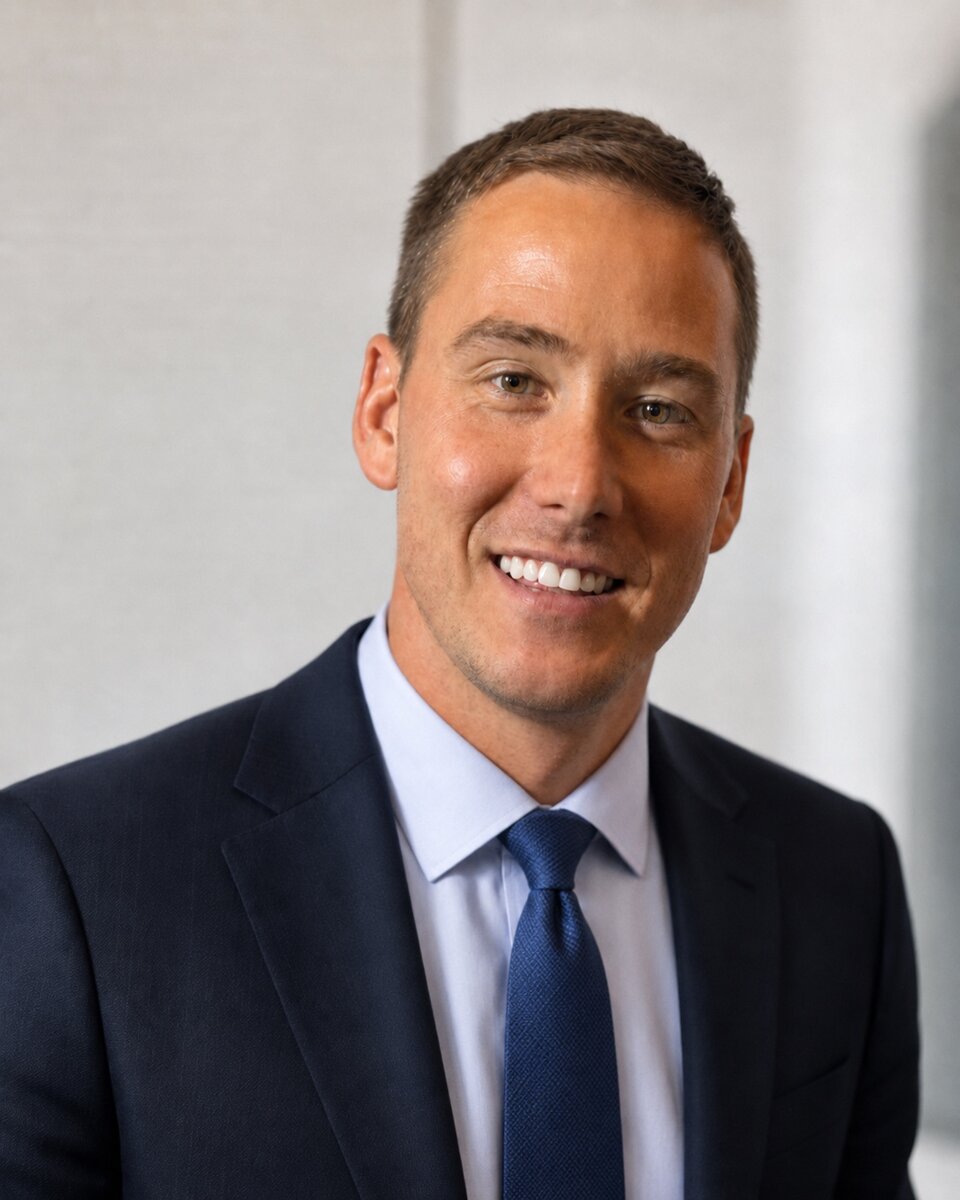
Will Mitchell is Regional Owner of RE/MAX Belize. He has spent nearly two decades in Belize, working with people evaluating residential, commercial, hospitality and development opportunities across the country. His work focuses on matching real estate decisions to the practical realities of location, ownership and long-term operation.
CRE News Briefing Coming Soon
Until it launches, send press releases, story ideas, and sponsorship inquiries directly to the newsroom.
Free CRE News Briefing
Editor-curated commercial real estate stories, delivered to your inbox. Confirm your email to join.